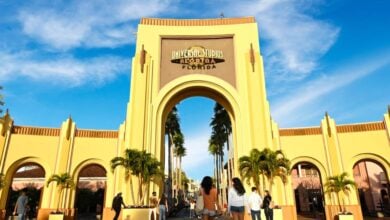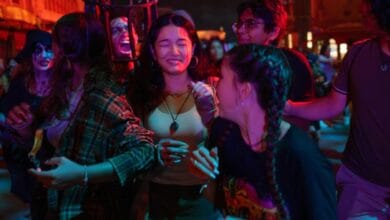

A recent Disney marketing email has ignited debate after a peculiar photo description was spotted by recipients: “Mixed-race family on attractions…” This unusual phrasing has led to widespread discussion about its intent and potential implications.

Disney Email Sparks Debate Over Photo Description
While some dismiss it as an internal tagging mistake, others feel it was an unnecessary and awkward way to categorize a family. Could this be a simple oversight, or is it a reflection of how brands approach diversity in marketing?
“Mixed-race family on attractions” as photo description on email
byu/RachaeII inDisneyland
Disney regularly sends promotional emails featuring park updates, discounts, and exclusive event details. These emails often include images of guests enjoying attractions to reinforce the magic of the Disney experience.
In this case, the concern wasn’t the image itself but the wording used to describe it. Typically, photo descriptions or alt text serve an accessibility function, aiding visually impaired users. However, in this instance, many felt the racial labeling was unnecessary and potentially problematic.

Public Reactions: Mixed Opinions on Intent and Impact
The internet was quick to react, with opinions split between those who saw it as an unintentional mistake and those who questioned its appropriateness.
Criticism and Concerns:
- Many argued that mentioning a family’s racial background was irrelevant and out of place in a marketing email.
- Some felt the wording reflected a performative approach to diversity, making it seem forced rather than authentic.
- Others warned that such missteps could damage Disney’s reputation, as brands are increasingly scrutinized for their approach to representation.
Supportive Perspectives:
- Some believed the description was simply an internal organizational label mistakenly included in the final email.
- Others pointed out that diversity in marketing is important and that this could have been a well-intended effort that was poorly executed.
- A few noted that alt text and image descriptions are common for accessibility purposes, and this could have been part of that effort.

What This Means for Disney
Disney has yet to release an official response, but this situation presents a few possible scenarios:
1. Addressing the Issue Head-On
If Disney acknowledges the mistake and clarifies its intent, the controversy could subside quickly. A well-crafted statement explaining the internal nature of the description and reinforcing the company’s commitment to inclusivity could smooth things over.
2. Renewed Discussions on Diversity in Marketing
This incident may prompt deeper conversations about how brands handle representation. While diversity should be celebrated, companies must ensure their messaging is thoughtful and avoids unintended implications.
3. Ongoing Social Media Scrutiny
If the issue continues to gain traction, it could fuel further debates about Disney’s approach to inclusivity. Given the fast-paced nature of online discourse, how the company chooses to respond will play a crucial role in shaping public perception.

Lessons for Disney Moving Forward
This controversy underscores the importance of precise, thoughtful communication in marketing. Companies must strike a balance between showcasing diversity and ensuring their language does not feel forced or unnecessary.
Additionally, brands should have safeguards in place to prevent internal labels or placeholder text from slipping into public-facing content. Small mistakes can quickly snowball into larger discussions about corporate messaging and intent.
While Disney’s email misstep may have been accidental, it has sparked a wider conversation about diversity, inclusion, and marketing best practices. Whether the company directly addresses the issue or allows it to fade, the situation serves as a reminder that every word in branding and communications matters.