Disney's Animal Kingdom is a wild place to visit.

Related: Magic Kingdom Just Cut 3 “Classic” Pieces of Big Thunder Mountain History
Disney World’s Animal Kingdom officially opened its doors on April 22, 1998, marking a significant milestone as Disney's fourth theme park. The park was designed with a unique mission—to incorporate wildlife conservation and education within the framework of a theme park experience. Initially, Animal Kingdom featured a blend of safari experiences and animal exhibits alongside a variety of attractions, but some critics viewed it as less appealing compared to its counterparts.
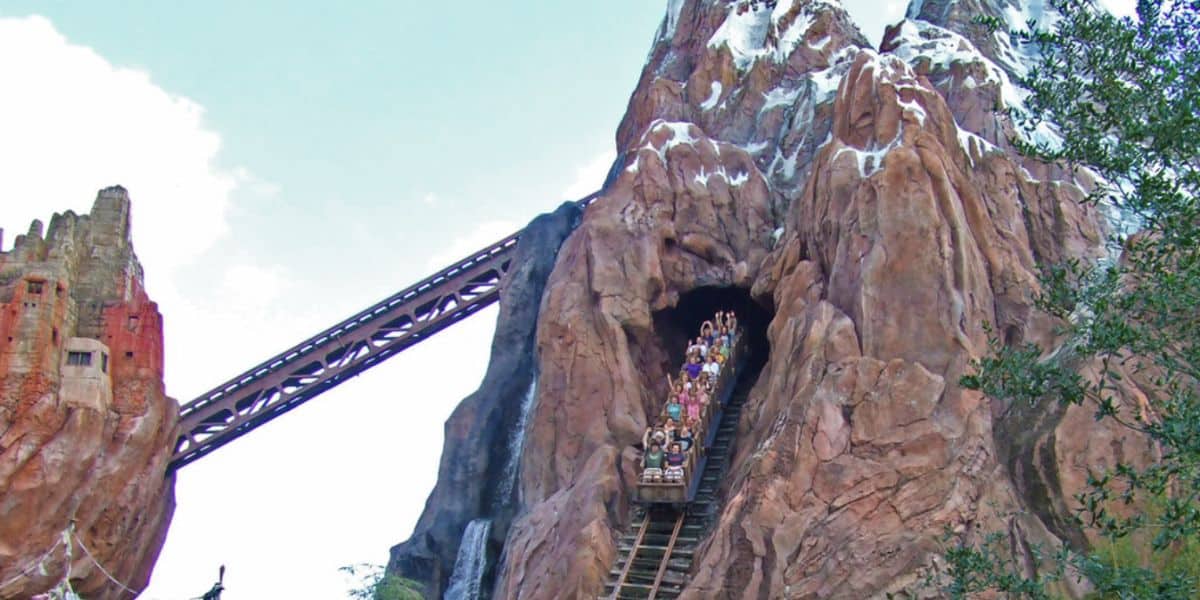
Over the years, Animal Kingdom has witnessed several major expansions that have reshaped its landscape. The introduction of the Expedition Everest roller coaster in 2006 added a thrilling component to the park, blending storytelling with adventure in a manner that drew more visitors.
However, the most transformative expansion came in 2017 with the addition of Pandora – The World of Avatar, based on James Cameron's iconic film. This area not only revolutionized the park's offerings but also set a new precedent for immersive theming across all Disney parks.
Pandora's integration into the Animal Kingdom demonstrated Disney's commitment to enhancing guest experiences through technological innovation and storytelling. Attractions like Avatar Flight of Passage and Na'vi River Journey offer guests unparalleled immersion through groundbreaking ride technology and breathtaking visuals, capturing the essence of the film’s vibrant ecosystem.
The park's latest attraction, Zootopia: Better Zoogether, officially opened to the public on November 7, 2025. The introduction of this 4D theater show marks a significant addition to the Animal Kingdom experience, reimagining the traditional theater format with interactive and engaging elements.
Replacing the long-standing It’s Tough to Be a Bug, which had entertained audiences since the park's inception, Zootopia: Better Zoogether represents a bold shift in the park's narrative. This transition reflects not only Disney's desire to remain relevant amidst changing audience preferences but also a calculated move to align with the release of Zootopia 2 later that same year. While the decision to remove a staple attraction was controversial, it was driven by the need to infuse new energy into the park.
Indeed, early reviews of Zootopia: Better Zoogether have been mixed, with younger audience members expressing excitement and engagement while some longtime fans mourn the loss of It’s Tough to Be a Bug. These sentiments highlight a common challenge for theme parks: balancing the introduction of new content while respecting the nostalgia of established attractions.
Challenges Following Recent Changes
Despite the advancements that come with new attractions like Zootopia: Better Zoogether, the introduction of such experiences is not without its challenges. One significant hurdle is balancing nostalgia with modernization. Many fans of Animal Kingdom have fond memories associated with older attractions, and the removal of beloved experiences can lead to disappointment. This creates a difficult landscape for park planners, as they must determine when to refresh attractions without alienating loyal visitors.
Moreover, addressing the mixed feedback from diverse audiences poses another challenge. Animal Kingdom attracts a wide range of guests, from families with young children to animal conservation enthusiasts, each with their own expectations and preferences. The introduction of a new show must cater to these varying demographics while remaining true to the park's overarching themes of conservation and adventure. Understanding and validating the concerns of different visitor segments is crucial for ensuring that new attractions resonate across the board.
As Animal Kingdom evolves, the potential for future expansions and new attractions is an exciting prospect for fans and visitors alike. The success of recent developments illuminates a path forward, emphasizing the importance of thematic consistency and guest engagement. Disney's ongoing commitment to storytelling innovation is evident in the adaptations made over the years, and this is likely to continue with new concepts that resonate with contemporary audiences.
Fan engagement plays a critical role in the development of park experiences. Through feedback channels and social media platforms, passionate Disney fans can voice their desires and concerns, providing invaluable insights to park planners. This engagement not only helps in shaping future attractions but also fosters a sense of community among visitors, allowing them to feel a vested interest in the park's evolution.
Long-term sustainability of the park experience further hinges on a focus on conservation and education, aligning with its original mission. Efforts to integrate environmental initiatives into the guest experience could strengthen the park’s identity, allowing visitors to engage meaningfully with wildlife and conservation efforts. With a foundation built on purposefulness, Animal Kingdom has the potential to thrive as a dynamic destination, attracting repeat visitors while educating and inspiring future generations.