For years, Disney Parks have been experimenting with ways to merge storytelling with cutting-edge technology—sometimes subtly, sometimes boldly, but always with the intention of making the guest experience more fluid and immersive. From MagicBands to the Disney Parks app, virtual queues, mobile menus, and AR-driven play spaces, the company has demonstrated an unwavering commitment to evolving how visitors navigate and engage with its parks. Now, Disney appears to be preparing for its next major leap forward: the integration of Meta’s smart glasses directly into the in-park experience.

In the newest episode of We Call It Imagineering on YouTube, Disney offered its clearest explanation yet of how its partnership with Meta could reshape both guest experiences and internal design processes. This latest reveal expands on what we learned earlier this fall, when Meta CEO Mark Zuckerberg introduced the upgraded Ray-Ban Display glasses and highlighted Disney as one of the first major partners experimenting with them on a practical level.
Rather than another digital tool that pulls guests into their phones, Disney is positioning these glasses as a way to reduce screen time, encourage real-world interaction, and offer a hands-free, deeply contextual park guide. And while this week’s announcement focused heavily on guest uses, Imagineers also pulled back the curtain on how this tech could support future attraction development.
With new capabilities, new questions, and significant implications for Disney’s future, here’s a detailed breakdown of what the company disclosed—and how it fits into the larger picture of tech-enabled storytelling.
Disney Explains How Meta’s Smart Glasses Could Function Inside the Parks
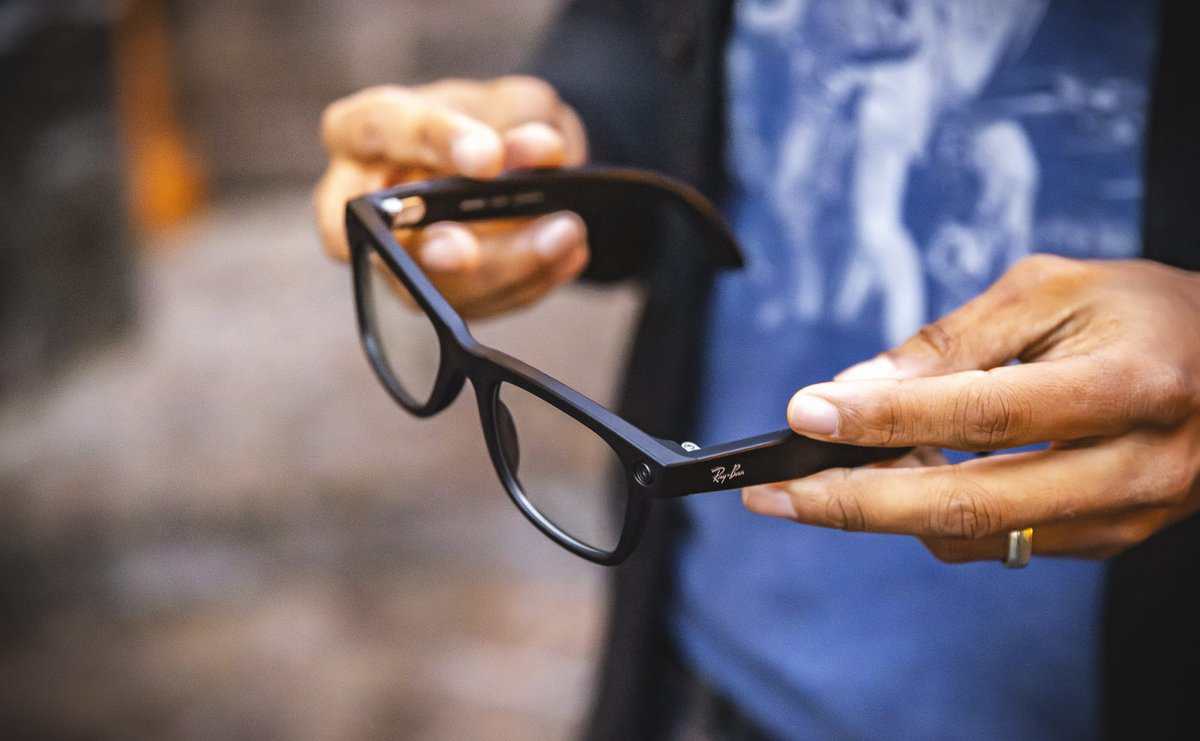
In the video, Imagineer Asa Kalama appeared within Star Wars: Galaxy’s Edge, describing how the glasses could deliver “story-enhancing” guidance in real time. Although the episode did not feature a live demonstration, Kalama laid out clear use cases:
Smart glasses could act as a personalized, voice-activated guide.
-
What inspired a specific architectural detail?
-
Who is the character connected to this area?
-
What item in a store is linked to the lore of the land?
Rather than pulling out a phone or stopping to search through the app, guests would simply look—and ask.
The experience is designed to be seamless, not distracting.
Disney emphasized that the point isn’t to replace human interaction or overwhelm guests with information. Instead, the hope is to create a more natural, intuitive way to access storytelling.
Disney executives have increasingly discussed “heads-up experiences,” and the glasses are a direct extension of that philosophy.
Why Disney Wants Technology That Keeps Guests Looking Up
Bruce Vaughn, President and CCO of Walt Disney Imagineering, spoke candidly about how intrusive smartphones have become in theme parks. While necessary, they interrupt eye contact, storytelling, and shared experiences—the very things Disney promotes as core elements of visiting a park.
Vaughn noted:
When guests have to constantly look down at phones, it breaks immersion.
He explained that extended reality, used sparingly and with intention, can allow guests to stay focused on the world Disney built—rather than the screen in their hands.
The glasses offer information without forcing guests out of the moment, a design priority we’ve seen repeatedly in recent Imagineering discussions.
Imagineering’s Internal Use: Visualizing Entire Lands Before Groundbreakings
While the guest-facing technology caught the most attention, Disney also highlighted how Meta’s glasses could streamline Imagineering development.
Vaughn specifically referenced their potential usefulness on greenfield sites, which are construction zones cleared before any physical structures are built. Typically, Imagineers have to visualize entire lands from empty dirt lots.
With smart glasses, Imagineers could potentially:
-
Walk the site while viewing early overlays of buildings
-
Preview attraction exteriors
-
Understand spatial relationships before construction
-
Adjust sightlines and scale without erecting temporary structures
This kind of spatial previewing could radically reduce design time and allow more frequent iteration before the first physical foundation is poured.
Connecting Back to Meta’s Ray-Ban Display Glasses Announcement
-
A small projection display visible only to the wearer
-
Enhanced AI with voice and visual recognition
-
The ability to track what the user is looking at
-
GPS-based contextual information
-
Integration with third-party partners (including Disney)
At the time, Disney Imagineering demonstrated how the glasses could deliver quick answers to questions about rides, dining, and day planning—basically, the Disney Parks app without the need to pull out a phone.
However, these features raised concerns about data usage. Like Disney’s mobile apps, the glasses can track movement, voice, and behavior patterns. Disney did not address privacy considerations in this week’s episode, but the conversation remains relevant as the program expands.
Potential Impact on Future Disney Vacations
If rolled out to the public, Meta smart glasses could alter the way guests navigate Disney Parks in several major ways:
1. A more fluid navigation experience
Walking directions could appear in the wearer’s line of sight.
2. More accessible storytelling
Detailed explanations of props, structures, and lore could be delivered conversationally.
3. Better merchandise interaction
Guests could look at an item and instantly learn its backstory or see related products.
4. A reduction in phone dependency
A direct response to guest frustrations with heavy reliance on the Disney Parks app.
5. Enhanced in-park planning
Real-time suggestions could adapt as crowds shift.
Even if the glasses are not widely deployed for years, the roadmap is unmistakable.
The Smart Glasses Are Coming—But Disney Isn’t Rushing Public Release
Meta’s new Ray-Ban Display glasses are expected to cost around $799, and they will be available to consumers this month. Disney, however, has not announced a timeline for in-park availability or testing programs for guests.
For now, experiments will likely remain internal or limited to controlled pilot groups. But Disney’s messaging across the last several months makes one thing clear:
the company intends to integrate wearable extended-reality tools into the future of theme park design and guest interaction.
Whether this becomes as commonplace as MagicBand technology or remains a premium add-on remains to be seen.