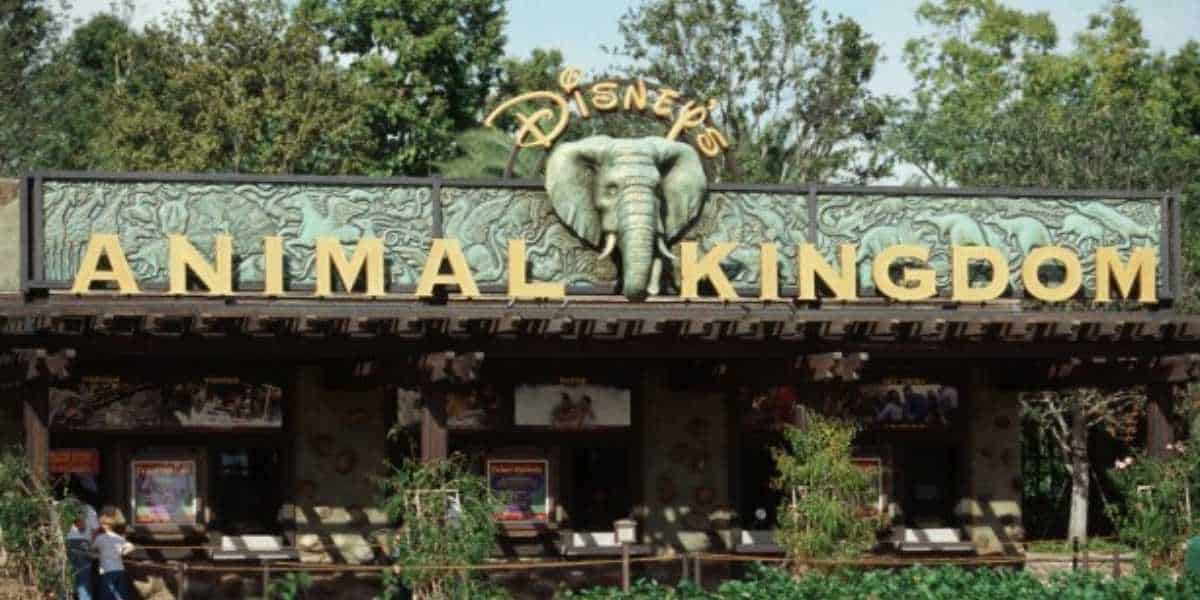
Something's changed inside Windtraders at Disney's Animal Kingdom, and if you've been following the rumors since fall, you already know what's coming. The ACE Avatar Making Experience—that high-tech kiosk where park visitors could create customized Na'vi action figures based on their own appearance—is officially done. Not temporarily closed for refurbishment, not “on hiatus,” but completely, permanently removed. In its place? More shelves. More merchandise. More of what Disney apparently thinks guests actually want when they visit the World of Avatar.

Here's what makes this particularly interesting: we're less than a year away from Avatar: Fire and Ash hitting theaters in December 2025. You'd think Disney would be doubling down on unique Avatar experiences to capitalize on the film's release, especially after the massive box office success of Avatar: The Way of Water. Instead, they're stripping out one of the few truly personalized experiences in Pandora and replacing it with… regular retail space.
Let's talk about what's happening, why it matters, and what it tells us about where Disney's priorities lie when it comes to theme park experiences in 2024 and beyond. Because this isn't just about one discontinued product—it's a window into how Disney is rethinking immersive retail, personalization technology, and whether guests actually care about having action figures that look like them when they could just buy a t-shirt and call it a day.

The ACE experience launched with the kind of fanfare Disney reserves for technological innovations. Advanced body scanning, facial recognition, customization options that would make your Na'vi avatar look distinctly like you—it was supposed to be the next evolution of theme park merchandise. No more generic souvenirs; now you could walk away with something completely unique, a piece of Pandora that was unmistakably yours.
Except nobody bought them. Or at least, not enough people bought them to justify keeping the experience running. The price tags didn't help—$79.99 for a figure was steep, even by Disney standards. When that got slashed to $50 earlier this year, the writing was already on the wall. Price cuts of that magnitude aren't Disney testing new pricing strategies; they're Disney trying to unload inventory and gauge whether the product has any viable market at all.
The answer, apparently, was no. By October, the experience had shut down completely, with black curtains and stanchions making it clear guests weren't getting back in there. Now the transformation is complete. The scanning equipment is gone. The customization kiosk has been replaced by product displays. Even the black curtains have been swapped for green ones that blend better with Windtraders' existing aesthetic—curtains that catch the reflected light and colors from the shop's elaborate Pandora-inspired fixtures, creating at least some visual interest in what's now just another retail zone.
Near the registers where guests used to finalize their Avatar selections, there's now standard merchandise shelving. The wall space that housed the experience? More product displays. It's efficient. It's practical. It's completely unremarkable. And that's exactly the point.
This is Disney admitting that experimental retail doesn't always work, even when you have cutting-edge technology, a popular intellectual property, and one of the most immersive themed lands ever created. Sometimes guests just want to buy a Banshee plush, a Pandora t-shirt, and maybe some glow-in-the-dark merchandise, and they want to do it quickly without committing 45 minutes and $50-80 to a personalization process that might not even nail their likeness.
But before we dive deeper into what killed the ACE experience and what's replacing it, we need to zoom out and look at the bigger picture of what's happening at Animal Kingdom right now. Because Windtraders losing its customization kiosk is actually one of the smaller stories coming out of the park. The real headlines? DINOSAUR is closing forever in just weeks, DinoLand U.S.A. is being completely demolished, and Disney's building an entirely new land that will fundamentally reshape the park's identity. The ACE closure is just one domino falling in a much larger chain of transformations.
What Actually Happened to the Avatar Customization Experience
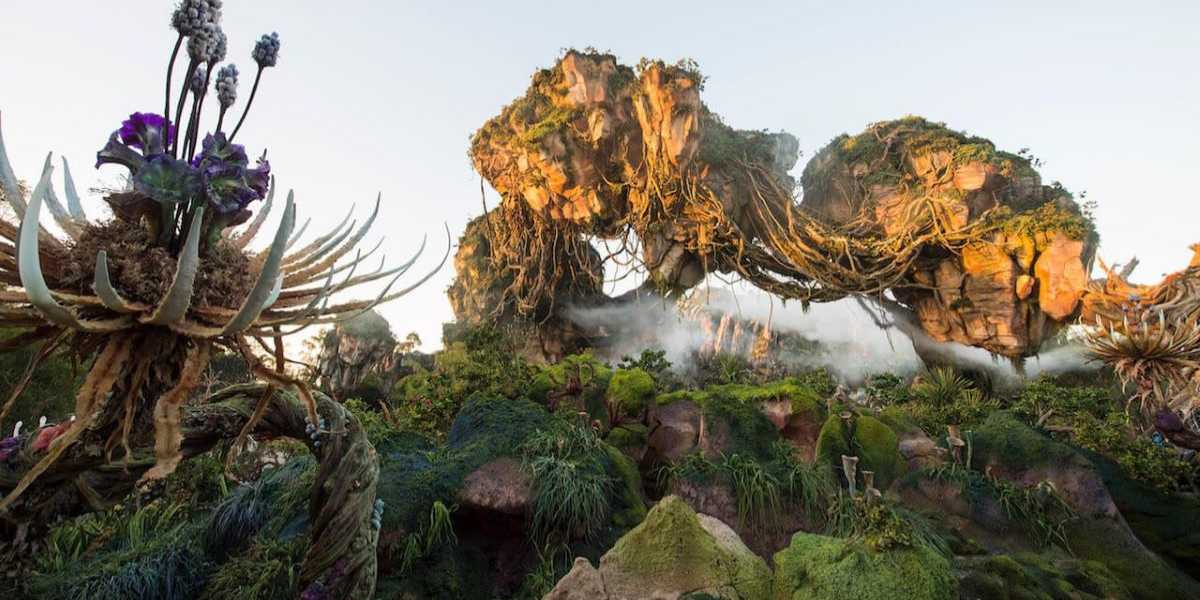
Let's start with the basics. The ACE Avatar Making Experience wasn't just a “build-a-figure” station. Disney invested serious technology into this thing. When you participated, you'd step into a scanning area where multiple cameras captured your body proportions and facial features from different angles. The system would then let you customize various Na'vi characteristics—body type, hair style, eye color, skin patterns, accessories—to create an avatar that theoretically looked like you, just with blue skin, a tail, and all the other physical markers of the Na'vi people.
The process took roughly 30-45 minutes from start to finish, though the actual figure wasn't ready immediately. You'd complete your customization, pay, and then pick up your finished avatar later during your park visit. The end result was supposed to be a detailed, personalized collectible that captured your appearance in Na'vi form.
In theory, this should have been a hit. Personalized merchandise is a growing trend across retail. Disney's own success with custom lightsabers at Galaxy's Edge proved guests would pay premium prices for personalized Star Wars experiences. The Avatar franchise has a passionate fanbase. Pandora consistently draws huge crowds. All the ingredients were there.
So what went wrong?
The Price Problem: Even dedicated Disney fans balked at $79.99 for an action figure, no matter how personalized. Compare that to a basic Avatar action figure at around $20-30, or a detailed collectible Banshee at $50-60. For many families, spending $80 per person (and families often mean multiple kids who all want the experience) pushed the ACE experience out of reasonable souvenir territory into luxury purchase category.
The Time Investment: Theme park guests operate on tight schedules. Between attraction wait times, dining reservations, and trying to experience everything a park offers, dedicating 30-45 minutes to a retail experience—plus the time to return for pickup—felt like poor time management to many visitors. Flight of Passage might have a 120-minute wait, but at least that's a world-class attraction. Spending half that time to buy an action figure didn't compute.
The Technology Limitations: While the scanning tech was impressive, the final products didn't always deliver on the promise. Some guests reported their figures didn't really capture their likeness accurately. When the core value proposition is “an avatar that looks like you,” and the result looks like a generic Na'vi with vaguely similar coloring, the entire experience fails to justify its premium.
Franchise Engagement Levels: Here's an uncomfortable truth for Disney: not everyone visiting Pandora is a hardcore Avatar fan. Many guests visit because it's a beautifully designed land with excellent attractions, not because they have deep emotional investment in James Cameron's franchise. The ACE experience primarily appealed to serious Avatar enthusiasts—a subset of visitors too small to sustain the operation.
Comparison to Competition: When guests could spend their money on a wide variety of other Pandora merchandise—including interactive toys, detailed collectibles, apparel, and accessories—the ACE experience had to compete for dollars against options that offered either better value, more immediate gratification, or higher perceived quality.
By the time Disney slashed prices to $50, the experience was clearly struggling. That kind of discount signals desperation, not strategic pricing. The company was trying to move inventory and determine if there was any price point where demand would materialize. When even the discounted rate didn't generate sufficient interest, the decision became obvious: shut it down and repurpose the space.
The Transformation: From Tech Showcase to Standard Retail
Fast forward to today, and the transformation is complete. The scanning equipment has been removed. The customization kiosk is gone. In their place, Windtraders now features expanded merchandise capacity designed to handle the traditional retail that actually generates revenue.
Here's what's changed specifically:
The retail baskets that initially blocked off the defunct scanning area are still there, but they've been joined by new visual elements. Most notably, those black curtains that screamed “this is closed and we don't want you looking at it” have been replaced with green curtains that tie into Windtraders' existing color palette and design language. These new curtains have an interesting quality—they pick up and reflect shadows and colors from around the shop, especially the elaborate bioluminescent-style lighting that gives Windtraders its distinctive Pandora atmosphere. It's a small touch, but it shows Disney at least put some thought into making the closed-off area feel intentional rather than abandoned.
Where the actual ACE kiosk stood—that prime real estate near the registers where guests would finalize their purchases—there's now conventional product shelving. This is strategic placement. Retail psychology 101 says the area around registers is perfect for impulse purchases, smaller items, and featured merchandise. By putting standard displays here instead of a time-consuming customization experience, Disney maximizes the revenue potential of every square foot.
The wall space that previously supported the Avatar-making equipment now features additional product displays. This expanded capacity means Windtraders can stock more variety, maintain higher inventory levels of popular items, or feature seasonal merchandise without needing to shuffle existing displays.
It's worth noting what this isn't: it's not a temporary reconfiguration. This is the permanent solution. Disney didn't just mothball the ACE equipment for potential future use; they completely redesigned the space for standard retail operations. The infrastructure to support the scanning and customization technology has been removed. This is a one-way transition.
The Avatar 3 Timing Question Everyone's Asking
Here's where this story gets really interesting from a business strategy perspective. Avatar: Fire and Ash releases in December 2025—less than a year away. After Avatar: The Way of Water dominated the box office in late 2022 and early 2023, there's every reason to expect the third film will generate renewed interest in the franchise and drive traffic to Pandora.
Under normal circumstances, you'd expect Disney to be enhancing Avatar experiences ahead of the film's release, not eliminating them. When Star Wars: Galaxy's Edge knows a new series or film is coming, Disney typically adds merchandise, creates special events, and finds ways to capitalize on the renewed attention. So why is Disney moving in the opposite direction with the ACE experience?
Several possibilities explain this seemingly counterintuitive timing:
Data Over Assumptions: Disney has actual performance data showing the ACE experience underperformed, even during periods when Avatar content was generating cultural attention. Rather than assuming a new film will magically make an unsuccessful product successful, Disney is making decisions based on what they already know about guest behavior.
Capacity Over Novelty: If Avatar 3 does drive increased visitation to Pandora (which seems likely), Disney needs Windtraders to handle higher guest volumes efficiently. A time-consuming personalization experience creates bottlenecks. Standard retail operations move guests through faster, generate more sales per hour, and require less specialized staffing.
Merchandise Opportunity: The flip side of removing the ACE experience is that Disney gains space to stock merchandise specifically tied to Avatar 3. New characters, new environments, new story elements—all of this will translate into new products that need shelf space. By converting the ACE area now, Disney ensures Windtraders is ready to maximize Avatar 3 merchandise sales when the film releases.
Operational Simplification: Managing the ACE experience required specialized technical support, staff training, and ongoing maintenance. As crowds potentially increase with the film release, Disney may prefer to allocate human resources to general retail operations rather than supporting a niche experience with limited appeal.
Alternative Plans: Just because Disney hasn't announced anything new for this space doesn't mean plans don't exist. The company could be developing a different type of experience—something learned from ACE's failures—that will debut closer to the film's release. Retail space can be reconfigured relatively quickly if needed.
The most likely scenario? Disney looked at the numbers, recognized the ACE experience wasn't working, and decided that expanded traditional retail capacity serves their interests better regardless of what Avatar 3 does at the box office. If the film is a massive hit, Windtraders can sell more merchandise. If it underperforms, they haven't invested additional resources in an Avatar-specific experience with limited appeal.
Meanwhile, Animal Kingdom Is Undergoing Massive Changes
While the ACE closure is noteworthy, it's hardly the biggest story coming out of Disney's Animal Kingdom right now. The park is in the middle of its most significant transformation since Pandora opened in 2017, and the scope of what's happening is genuinely massive.
DINOSAUR Closes Forever on February 1, 2025
Mark your calendars: February 1, 2025 is extinction day for DINOSAUR at Disney's Animal Kingdom. The attraction, which has been thrilling guests since the park's opening in 1998, will permanently close on that date. And unlike some Disney closures where fans hold out hope for a reopening or a “spiritual successor,” this one is definitive. DINOSAUR is getting completely gutted and transformed into something entirely different.
For those unfamiliar, DINOSAUR is a dark ride that sends guests back in time to the Cretaceous period with the mission of rescuing an Iguanodon moments before a meteor strike causes mass extinction. It's a legitimately exciting attraction featuring impressive dinosaur animatronics, intense motion simulation, and a genuine sense of peril as you race against time. The ride uses the same vehicle system as Indiana Jones Adventure at Disneyland, though the experiences are distinctly different.
DINOSAUR's closure represents more than just losing one attraction. It marks the complete elimination of dinosaurs from Disney's Animal Kingdom. DinoLand U.S.A.—the entire land that housed DINOSAUR along with various other dinosaur-themed attractions, restaurants, and shops—has already been mostly shuttered. DINOSAUR was the last holdout, the final remnant of the park's prehistoric theme. After February 1, dinosaurs are completely extinct at Animal Kingdom.
This closure has generated mixed reactions from the Disney fan community. Some guests have fond memories of DINOSAUR from childhood visits and lament losing another opening-day attraction. Others acknowledge that DinoLand U.S.A. had become dated and that the space could be better utilized. Regardless of where you stand, the February 1 date makes the transition feel very real and very imminent.
Welcome to Tropical Americas: Encanto and Indiana Jones Are Coming
So what's replacing DinoLand U.S.A. and DINOSAUR? Disney's answer is Tropical Americas Land—a complete reimagining of the area that will celebrate the biodiversity, culture, and adventure of Central and South America through two major intellectual properties: Encanto and Indiana Jones.
Construction Milestones: The project recently achieved a visible milestone when construction crews erected the first vertical beam in the new land. For anyone following theme park construction, vertical construction is when projects shift from behind-the-scenes foundation work to the visible building that guests can actually see taking shape. This signals that Tropical Americas is transitioning from planning and groundwork phases into active construction.
The Indiana Jones Transformation: DINOSAUR isn't just closing; it's being completely reimagined as an Indiana Jones attraction. Disney recently filed a permit for work at “600 DinoLand Drive”—a location believed to correspond to the courtyard area that currently serves as DINOSAUR's entrance queue. The permit is valid for one year (with easy extension options) and lists Whiting-Turner as the general contractor.
Whiting-Turner's track record with Disney is impressive. They've handled major projects including Star Wars: Galaxy's Edge, Tron Lightcycle/Run, and recent EPCOT renovations. Their involvement suggests Disney is taking this project seriously and allocating significant resources to ensure quality execution.
The permit's address being distinct from the playground area's permit (594 DinoLand Drive) indicates Disney is approaching the transformation in phases, with different contractors potentially handling different components of the overall project.
Pueblo Esperanza: The central hub of Tropical Americas will be Pueblo Esperanza—Spanish for “Town of Hope.” Concept art shows a vibrant village environment with lush tropical landscaping, architectural details inspired by Central and South American design traditions, and a carousel as a featured attraction. This area will likely serve multiple functions: retail, dining, character encounters, and as the main pathway connecting the land's major attractions.
The concept art reveals a dramatic departure from DinoLand U.S.A.'s aesthetic. Where the old land embraced a roadside Americana vibe with intentionally kitschy elements, Tropical Americas appears to emphasize natural beauty, cultural authenticity, and immersive environment design more aligned with Pandora's approach to themed entertainment.
Timeline Expectations: Disney hasn't announced an official opening date for Tropical Americas, but industry analysts generally expect the land to debut in late 2027 or 2028. This timeline accounts for the extensive work required: demolishing existing structures, completely rethinking the area's layout and infrastructure, constructing new attractions from the ground up, and creating the detailed theming that modern Disney lands require.
For context, Pandora took several years from announcement to opening, and Tropical Americas represents a comparable scope of work. The transformation isn't just replacing attractions; it's fundamentally reimagining how that section of Animal Kingdom functions and what stories it tells.
Animal Kingdom in Context: Part of a Resort-Wide Transformation
Tropical Americas isn't happening in isolation. Disney's Animal Kingdom's transformation is just one piece of an unprecedented expansion era at Walt Disney World:
Magic Kingdom is adding two entire lands: Piston Peak (based on Planes: Fire & Rescue) and Villains Land (an original concept celebrating Disney villains). These additions represent the park's most significant expansion since New Fantasyland opened.
Hollywood Studios is reimagining Muppets area as Monstropolis: The Monsters, Inc. franchise is getting a dedicated land that will replace the current Muppets courtyard area, bringing a major Pixar property into the park with significant attraction and dining components.
Hotel construction is happening at more than a dozen resorts: Disney is simultaneously renovating, expanding, or reimagining accommodations across the property to meet demand and modernize aging infrastructure.
Smaller projects are scheduled throughout 2026: Beyond the headline-grabbing new lands, Disney has numerous refurbishments, attraction updates, and infrastructure improvements planned across all four theme parks.
This expansion represents Disney's most aggressive development period since the 1990s. The company is responding to increased competition (particularly Universal's upcoming Epic Universe theme park), evolving guest expectations, and the need to refresh aging attractions with modern intellectual properties that resonate with contemporary audiences.
What the ACE Closure Reveals About Disney's Retail Philosophy
Zooming back to Windtraders and the defunct Avatar-making experience, this closure offers some revealing insights into how Disney thinks about theme park retail in 2024.
Technology Isn't Automatically Valuable
The ACE experience had impressive technology. Body scanning, facial recognition, customization algorithms—this wasn't simple stuff. Disney invested in systems designed to deliver a personalized product at theme park scale. But having advanced technology doesn't guarantee success if the end result doesn't resonate with guests.
This is a lesson Disney has learned repeatedly. Remember DisneyQuest, the “indoor interactive theme park” concept? Impressive technology, cool concepts, ultimately failed to attract sustainable audiences. Or consider the various interactive elements in queues that guests largely ignore in favor of their smartphones. Technology for technology's sake doesn't create value; it has to serve a purpose guests actually care about.
Personalization Has Limits
The retail industry has embraced personalization as a trend, and many businesses have seen success with customized products. But personalization in a theme park environment faces unique challenges. Guests are trying to maximize limited time, manage tight budgets, balance competing family preferences, and prioritize experiences over shopping. In that context, personalized merchandise needs to offer compelling value that justifies the time, cost, and effort involved.
Star Wars: Galaxy's Edge has proven personalization can work at Disney parks. Building your own lightsaber at Savi's Workshop or droid at Droid Depot are incredibly popular experiences. But those succeed partly because they're experiential—you're not just buying a personalized product; you're participating in a hands-on building process that feels like an attraction in itself. The social media appeal doesn't hurt either; guests love posting videos and photos of their custom lightsabers.
The ACE experience, by contrast, was passive. You stood still while cameras scanned you, clicked some options on a screen, and waited for your product. There was no hands-on building, no theatrical presentation, no sense of being part of something special. You were essentially submitting your order and collecting it later—not dramatically different from online shopping, just more expensive and time-consuming.
Traditional Retail Still Dominates
Despite all the experimentation with interactive retail, personalized experiences, and technology integration, traditional merchandise continues to generate the bulk of theme park retail revenue. Guests buy t-shirts, hats, plush toys, pins, magnets, mugs, and accessories in massive quantities. These items offer:
- Immediate purchase gratification
- Clear value propositions
- Easy browsing and selection
- Price points for various budgets
- No time commitment beyond checkout
- Straightforward gift-giving options
By converting the ACE space to traditional retail, Disney is acknowledging this reality. Experimentation is valuable, but when experiments fail, you return to what works.
Operations Matter More Than Ever
Theme parks are dealing with record crowds, staffing challenges, and increasing operational complexity. In that environment, experiences that require specialized staff, technical maintenance, and extended guest interactions become liabilities. The ACE experience needed employees who could operate scanning equipment, troubleshoot technical issues, manage customization processes, and handle the logistics of storing and retrieving finished products.
Traditional retail operations, by contrast, are straightforward: stock shelves, assist guests with questions, process transactions, maintain inventory. Cast members can be cross-trained more easily, shifts can be filled more flexibly, and operational overhead is lower.
As Disney navigates the current theme park environment, streamlining operations wherever possible makes sense. If an experience isn't generating sufficient revenue to justify its operational complexity, it gets cut.
What Comes Next for Windtraders and Pandora?
With the ACE experience now permanently closed and the space converted to standard retail, what's the future hold for Windtraders specifically and Pandora more broadly?
Short-Term: Avatar 3 Merchandise Push
The immediate future is clear: Windtraders needs to prepare for Avatar: Fire and Ash merchandise. When the film releases in December 2025, Disney will have new characters, creatures, environments, and story elements to convert into products. The expanded retail space from the former ACE area gives Windtraders additional capacity to feature this new merchandise prominently.
Expect to see:
- New action figures and collectibles featuring Avatar 3 characters
- Apparel incorporating imagery and designs from the film
- Accessories and home goods tied to new story elements
- Potentially interactive toys showcasing technology or creatures from the movie
- Special edition or limited release items for collectors
The additional retail space ensures Windtraders can stock these products without needing to reduce inventory of existing bestsellers. It's a practical solution that positions the shop for maximum revenue during what could be a high-traffic period.
Long-Term: Uncertain but Not Closed to Possibilities
Disney's statement that “nothing new has been announced for this space” is carefully worded. It doesn't say nothing is planned; it says nothing has been announced. Disney routinely develops concepts, tests ideas, and plans experiences without public announcements until they're ready to execute.
Potential future directions could include:
Limited-Time Experiences: Pop-up activations tied to Avatar film releases or special events that don't require permanent infrastructure investment.
Character Interactions: The space could accommodate Na'vi character meet-and-greets during peak periods without the operational complexity of the ACE experience.
Photo Opportunities: A themed backdrop or installation where guests can take photos could drive social media engagement without requiring complex technology or significant time investment.
Revised Personalization Concepts: If Disney develops a faster, cheaper, more reliable personalization technology, the space could potentially house a new version that addresses the problems that killed ACE.
Flexible Retail Space: The most likely scenario is that Disney leaves the space as retail for the foreseeable future, maintaining flexibility to adapt based on merchandise performance and guest traffic patterns.
Pandora's Long-Term Position in Animal Kingdom
Regardless of what happens with Windtraders specifically, Pandora's position as one of Animal Kingdom's premier destinations seems secure. The land's two attractions—Avatar Flight of Passage and Na'vi River Journey—remain incredibly popular. The environment design is stunning, the bioluminescent nighttime presentation is memorable, and the land delivers on immersion in ways few themed environments achieve.
The addition of Tropical Americas will give Animal Kingdom another major land and potentially shift some guest traffic away from Pandora (reducing crowding, which could actually improve the experience). But Pandora isn't going anywhere. It represents a massive investment in themed entertainment that continues to deliver strong guest satisfaction.
The ACE closure is a footnote in Pandora's story, not a sign of decline. It's simply Disney recognizing that not every retail experiment succeeds and being willing to cut losses when something doesn't work.
The Bottom Line: Pragmatism Over Innovation
Let's bring this full circle. The ACE Avatar Making Experience is gone, replaced by merchandise shelves and expanded retail capacity inside Windtraders. This isn't a tragedy. It's not even particularly surprising once you look at the experience's performance data and operational challenges. It's just business.
Disney tried something innovative: using advanced technology to create personalized Avatar figures that would serve as unique souvenirs from Pandora visits. The concept had merit. The execution was solid enough. But the market didn't materialize. Guests didn't value the experience enough to justify its price and time investment. When Disney cut prices dramatically and interest still didn't spike, the writing was on the wall.
Rather than continuing to invest resources in an underperforming operation, Disney made the pragmatic choice: convert the space to traditional retail that aligns with proven guest preferences and operational needs. Especially with Avatar 3 on the horizon potentially driving increased traffic to Pandora, having maximum retail capacity for conventional merchandise makes more business sense than maintaining a niche personalization experience.
This decision reflects broader realities about theme park retail in 2024:
- Technology alone doesn't create value; it has to serve guest desires
- Personalization has limits in time-constrained vacation environments
- Traditional merchandise continues to dominate sales
- Operational efficiency matters more than ever
- Data-driven decisions trump assumptions about what “should” work
For Disney fans, the ACE closure might feel like losing something special, even if they never participated in the experience themselves. There's always disappointment when theme parks remove unique offerings, even unsuccessful ones. But the reality is that Disney's Animal Kingdom has much bigger transformations ahead—DINOSAUR closing in weeks, Tropical Americas under construction, an entire land being reimagined with Encanto and Indiana Jones.
In that context, Windtraders gaining some extra merchandise space barely registers as a blip. It's a minor adjustment in a park undergoing fundamental transformation. And honestly? Most guests visiting Pandora won't even notice the change. They'll ride Flight of Passage, explore the Valley of Mo'ara, pick up some merchandise from Windtraders' expanded selection, and have a great day at Animal Kingdom—never knowing there used to be a kiosk where you could create custom Avatar figures that looked vaguely like you.
Sometimes that's just how theme parks evolve. Not every innovation succeeds. Not every experience resonates. And when something doesn't work, you acknowledge it, learn from it, and move on to what does work. That's exactly what Disney's doing here.
The ACE Avatar Making Experience had its moment. Now it's over. Time to see what comes next.