Disney has weathered criticism since acquiring Star Wars, but the tone has shifted dramatically. What once felt like cautious concern has hardened into open revolt. The latest cancellation didn’t land quietly—it detonated across fan communities, with calls for a nationwide boycott spreading rapidly.
For many longtime fans, this moment wasn’t shocking. It felt inevitable. Years of reversals, delays, and abandoned ideas finally caught up to the franchise, turning frustration into something much louder and harder to ignore.
A Legacy Built on Trust
Long before Disney entered the picture, Star Wars earned loyalty the hard way. The original trilogy — Star Wars: A New Hope (1977), The Empire Strikes Back (1980), and Return of the Jedi (1983) — delivered storytelling that shaped pop culture and defined generations of fans.
Even the prequels eventually found appreciation, proving the franchise could evolve while still honoring its core themes. That long road built trust — trust Disney would later strain, test, and ultimately weaken.

The Sequel Era’s Shaky Foundation
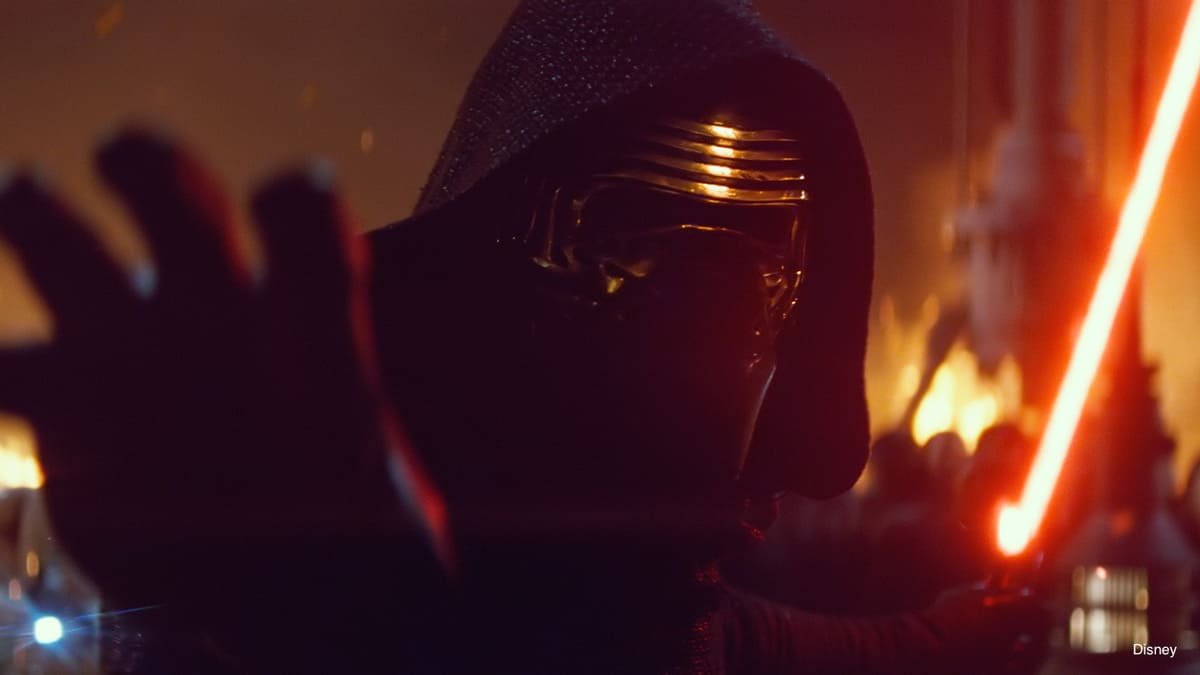
When The Force Awakens (2015) debuted, many fans embraced its familiar tone. Rey and Kylo Ren felt like promising new leads, and while the film leaned heavily on nostalgia, audiences were willing to be patient and see where the story went.
That patience evaporated with The Last Jedi (2017). The film split the fandom almost instantly, particularly over Luke Skywalker’s portrayal. For many fans, the character’s choices didn’t just feel wrong — they felt incompatible with everything that came before, breaking an emotional bond that had been decades in the making.

Creative Whiplash Takes Over
By the time The Rise of Skywalker (2019) arrived, the trilogy felt unmoored. Fans watched a story unraveling in a scramble to undo itself. Character arcs shifted abruptly. Emotional stakes evaporated. The sudden Rey–Kylo romance confused more viewers than it connected with.
Instead of feeling intentional, the trilogy felt reactive, as if it were constantly chasing fan response rather than telling a confident story. That perception only deepened existing resentment.
A Promised Trilogy That Went Nowhere
For years, Disney maintained that another trilogy, led by the director of The Last Jedi, remained possible. The idea lingered quietly in the background, even as fan confidence steadily eroded.
Recent interviews confirmed there’s no active development. While the filmmaker spoke positively about the franchise and left the door open for a return, the reality became unavoidable: the project simply isn’t moving forward.
Fans weren’t surprised. Many felt the confirmation merely validated what they had already accepted.
Disney’s Reputation Problem
The backlash extends beyond one trilogy. Disney’s habit of announcing Star Wars projects only to shelve them later quietly has taken a toll. Over time, anticipation has given way to skepticism.
Some fans openly joke that keeping track of the franchise now feels like following an unfinished series that never resolves its own plotlines, creating fatigue instead of excitement.
When Cancellation Felt Like Mercy
Instead of outrage, many fans expressed relief. They believed that stopping the trilogy would prevent further damage. Some even called for mentally closing the book on everything beyond the original trilogy, with only a few modern exceptions.
The message was blunt and consistent: fans want creators who genuinely understand Star Wars, not executives chasing momentum or reacting to backlash.

The Road Ahead Still Exists
Despite the anger, the franchise continues. Ahsoka Season 2 is expected to be released in mid-to-late 2026. The Mandalorian and Grogu arrives in theaters on May 22, 2026. Star Wars: Starfighter is scheduled for 2027, with animated projects continuing alongside it.
The entire fandom isn’t done with Star Wars. But Disney now faces a far more formidable challenge than launching the next project — rebuilding trust it once assumed would always be there.