

Disney's 3D-printed attractions will be the future of theme parks, whether guests like it or not.

Disney 3D-Printed Attractions Coming: Props Being Replaced
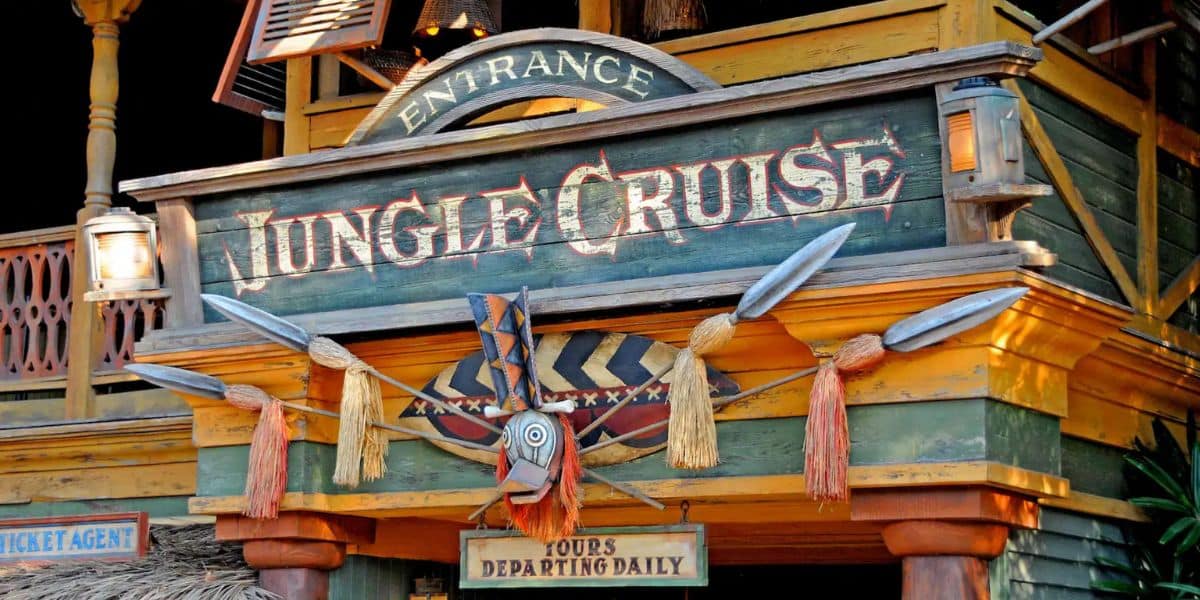
It blends in perfectly—weathered, thematic, and easy to miss unless you know where to look. But tucked into the lush riverscape of Jungle Cruise is something no guest has ever seen before on a Disney attraction: a permanently installed, large-scale 3D-printed prop. And once you know it’s there, it raises a much bigger question—is this the future of Disney Parks?

A Small Canoe With Big Implications for Disney Imagineering
Disney Parks history was quietly made when Walt Disney Imagineering confirmed that a 3D-printed canoe had been installed on Jungle Cruise at Disneyland Park. This marks the first permanent use of a 3D-printed prop on a Disney attraction, a milestone years in the making.
NEW: Walt Disney Imagineering is collaborating with Haddy, a 3D-printing company, to explore the creation of props and set pieces for Disney Parks! Imagineer Michael Hundgen says Haddy could produce doors for the Monsters, Inc. coaster coming to Disney’s Hollywood Studios. – @DrewDisneyDude on X
NEW: Walt Disney Imagineering is collaborating with Haddy, a 3D-printing company, to explore the creation of props and set pieces for Disney Parks!
Imagineer Michael Hundgen says Haddy could produce doors for the Monsters, Inc. coaster coming to Disney’s Hollywood Studios. pic.twitter.com/mJYZOOHFub
— Drew Smith (@DrewDisneyDude) November 6, 2025
The canoe wasn’t a temporary test or backstage experiment—it’s part of the ride’s storytelling environment, designed to withstand weather, daily operations, and close guest scrutiny. According to Imagineers, the piece was fabricated using large-scale 3D printing technology from Haddy, a Florida-based additive manufacturing company.
NEW: Disney Parks history has been made! A 3D-printed canoe has been installed on Jungle Cruise at Disneyland Park. The canoe marks a major milestone: the first-ever 3D-printed prop to be permanently installed on a Disney Parks attraction. Large-scale fabrication using Haddy’s 3D printing is just one way Imagineers are innovating for future Disney Parks projects. The future is now. – @DrewDisneyDude on X
NEW: Disney Parks history has been made! A 3D-printed canoe has been installed on Jungle Cruise at Disneyland Park.
The canoe marks a major milestone: the first-ever 3D-printed prop to be permanently installed on a Disney Parks attraction.
Large-scale fabrication using Haddy’s… https://t.co/f8LP5BJPnz pic.twitter.com/3hYrY8ojmT
— Drew Smith (@DrewDisneyDude) January 7, 2026
While Disney has used rapid prototyping for decades, this represents a shift from concept models to final, guest-facing show elements.
How Disney Is Using 3D Printing in the Parks
Walt Disney Imagineering has confirmed an ongoing collaboration with Haddy, exploring how large-format 3D printing can support future attractions, props, and scenic elements.
Imagineer Michael Hundgen revealed that this technology could even be used to produce functional ride components, such as doors for the upcoming Monsters, Inc.-themed coaster planned for Disney’s Hollywood Studios.
That revelation alone hints at a future where fabrication timelines—and even attraction refresh cycles—could look very different.
Potential uses include:
-
Scenic props and environmental storytelling pieces
-
Ride show elements with complex geometry
-
Architectural details and themed doors
-
Faster replacements for damaged props

Why This Matters to Disney Guests
For guests, the most important question is simple: Will this change the Disney experience—for better or worse?
The Upside: Faster, Smarter, More Detailed Design
Large-scale 3D printing allows Imagineers to:
-
Create highly detailed, organic shapes that are harder to carve by hand
-
Iterate designs faster without starting from scratch
-
Reduce downtime when props need replacement
-
Potentially lower costs, freeing budgets for new experiences
In theory, this could mean more frequent ride updates, better-maintained environments, and quicker rollouts of new ideas—especially in lands that rely heavily on immersive theming.

The Downside: Craft vs. Automation Concerns
However, not all fans are convinced this is a win.
Longtime Disney enthusiasts worry that replacing traditional fabrication methods could erode the handcrafted artistry that defined classic attractions. Jungle Cruise itself is celebrated for its tactile, layered sets—many built by artisans, painters, and sculptors.
There’s also concern that cost-cutting pressures could push Disney to rely too heavily on automation, potentially resulting in:
-
Less variation in props
-
A more “manufactured” aesthetic if not carefully managed
-
Fewer specialized craft roles over time

How This Could Reshape Future Disney Attractions
This move aligns with broader industry trends toward digital fabrication and modular design. Universal has already leaned heavily into advanced manufacturing for attractions like Jurassic World VelociCoaster and Epic Universe.
Here’s how traditional fabrication compares to 3D printing:
| Feature | Traditional Fabrication | 3D Printing |
|---|---|---|
| Production Speed | Slower | Faster |
| Custom Shapes | Labor-intensive | Highly flexible |
| Cost Over Time | Higher | Potentially lower |
| Replacement Ease | Limited | Rapid reprints |
| Artistic Finish | Handcrafted | Tech-assisted |
The key difference will be how Disney balances technology with storytelling—something the company has historically done better than most.

A Turning Point, Not a Replacement
Importantly, Imagineers have emphasized that 3D printing is a tool, not a replacement for traditional craftsmanship. The Jungle Cruise canoe wasn’t dropped in untouched—it was finished, painted, and aged by artists to match the environment seamlessly.
Our team has seen similar hybrid approaches used successfully in recent park projects, where technology accelerates production but human hands still shape the final magic.
That balance may ultimately determine whether guests embrace—or resist—this shift.
What Comes Next for Disney Parks?
If this experiment proves successful, guests may soon encounter more 3D-printed props without ever realizing it. From queue details to ride interiors, the technology could quietly reshape how Disney builds magic behind the scenes.
Whether that’s a cause for excitement or caution depends on how thoughtfully it’s implemented—and how closely Disney listens to its most passionate fans.
What do you think? Is this the future of Disney magic, or a step too far? Share your thoughts in the comments and explore more Disney Parks innovation coverage on Inside the Magic.


