Theme park enthusiasts keeping tabs on Disneyland's operational updates got interesting news this week when Theme Park IQ spotted a permit filing that signals another step in the resort's ongoing modernization efforts.
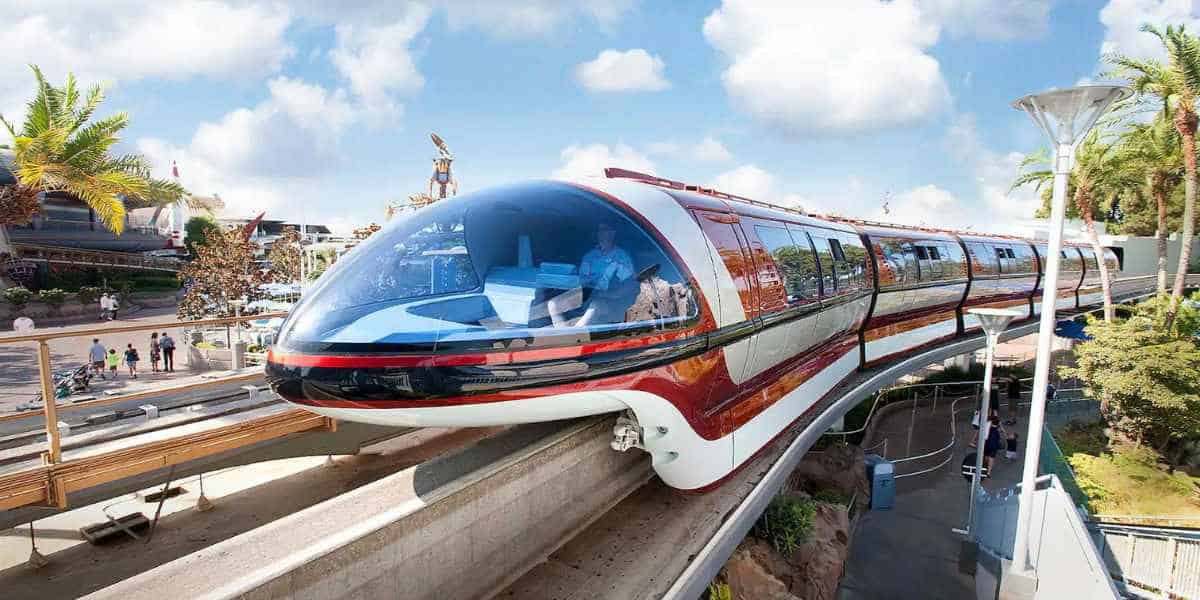
The document reveals plans to install digital overhead entrance and exit signs at the Downtown Disney monorail station, replacing the static printed signage that has served guests for years. On the surface, this might seem like a relatively mundane infrastructure upgrade, the kind of behind-the-scenes improvement that most visitors never consciously notice.
Theme Park IQ (@ThemeParkIQ) shared on X, “Disneyland has filed a permit to update the Monorail turnstile signs to becoming digital like other turnstile signs. Currently these signs are just static printed signs.
Permit Entry:
DTD – Monorail Turnstile – Install (2) digital overhead entrance/exit signs.”
Disneyland has filed a permit to update the Monorail turnstile signs to becoming digital like other turnstile signs. Currently these signs are just static printed signs.
Permit Entry:
DTD – Monorail Turnstile – Install (2) digital overhead entrance/exit signs. pic.twitter.com/V2pGPUIBqu— Theme Park IQ (@ThemeParkIQ) January 14, 2026
However, the timing catches attention given the monorail system's recent high-profile incident that saw more than 60 passengers evacuated from stalled trains in early January. The convergence of these two events raises questions about how Disney approaches operational improvements and whether modernizing guest communication systems plays into the company's broader safety and efficiency strategies.
According to the permit details shared by Theme Park IQ on X, the project involves installing two digital signs at the monorail turnstile area in Downtown Disney. The current setup uses traditional printed signs to indicate entry and exit points, a system that has remained largely unchanged even as other areas of the resort have transitioned to digital displays. This upgrade brings the monorail stations in line with turnstile signage elsewhere at Disneyland Resort, creating uniformity in how operational information reaches guests across different attractions and transportation hubs.
The Technology Behind Modern Theme Park Communication
Digital signage has become increasingly common throughout theme parks as operators recognize its advantages over fixed printed materials. The primary benefit comes down to flexibility. When operational changes occur, whether planned maintenance, unexpected closures, or capacity adjustments, digital displays can be updated instantly from a central control system. This eliminates the need for cast members to physically replace printed signs and ensures that guests receive current information at all times.
For a transportation system like the Disneyland Monorail, this capability takes on added significance. The monorail operates on a continuous loop with only two stations, meaning that when issues arise at either end, guests need immediate notification to make alternative transportation arrangements. Digital signs enable that real-time communication in ways that printed materials simply cannot match.
The installation also supports Disney's broader push toward integrated operational systems. Modern theme park management relies heavily on centralized platforms that monitor everything from ride capacity to food service wait times. Digital signage ties into these systems, allowing operations teams to push updates across multiple touchpoints simultaneously rather than coordinating individual sign changes at each location.
Context: The January 8 Power Failure
Just days before the permit filing came to light, the Disneyland Monorail experienced a significant operational disruption that resulted in emergency evacuations and drew considerable attention from both guests and media outlets. On the evening of January 8, 2025, both monorail trains lost power near the Disneyland Park entrance, leaving approximately 60 passengers stranded on elevated tracks.
The Anaheim Fire Department responded shortly before 5 p.m., working with Disney operations teams to safely evacuate all guests from the immobilized trains. According to a Disneyland Resort spokesperson, the monorail beam itself experienced a power loss, affecting both trains simultaneously. This distinction matters because it indicates an infrastructure issue rather than problems with individual vehicles. When the beam loses power, trains have no propulsion source and remain stationary until power is restored or guests are evacuated.
No injuries were reported during the incident, a testament to Disney's established emergency protocols and the professional response from both cast members and fire department personnel. However, the evacuation process proved complex given the elevated nature of monorail operations. Unlike ground-level transportation where guests can simply walk away from a stalled vehicle, elevated trains require specialized procedures involving fire department equipment and carefully coordinated safety measures.
Social media reports from guests present during the incident suggested that other transportation systems may have been temporarily affected as well. Multiple visitors noted that the Disneyland Railroad appeared closed around the same time, with empty trains visible at stations and rope barriers preventing guest access. While Disney has not confirmed a direct connection between the monorail power failure and railroad operations, the timing suggests precautionary measures may have been implemented across multiple systems.
How Monorail Power Distribution Works
Understanding why both trains stopped simultaneously requires some knowledge of how the Disneyland Monorail receives power. Unlike traditional trains that carry their own power sources or draw electricity from overhead wires, the monorail receives power directly through the concrete beam that serves as its track. The beam functions as both a structural support and an electrical conduit, distributing power to the trains as they travel along the route.
This integrated design means that power interruptions affect entire sections of the beam rather than individual vehicles. When power is lost or intentionally shut off for safety reasons, every train on that section of track loses propulsion simultaneously. Former cast members familiar with monorail operations have explained that the aging beam infrastructure sometimes requires power shutdowns during emergencies at stations or maintenance facilities. Restoring power is not always a quick process, particularly if trains are positioned on track switches where towing is not feasible.
The January incident highlighted these realities. With both trains affected and power restoration uncertain, Disney made the decision to proceed with full evacuations rather than wait for power to return. While this creates dramatic visuals with fire trucks and elevated rescues, it reflects a conservative safety-first approach that prioritizes guest wellbeing over operational convenience.
Digital Signs and Emergency Communication
The connection between emergency evacuations and digital signage upgrades may not be immediately obvious, but operational improvements often follow incidents that expose communication gaps or process inefficiencies. Digital displays at monorail turnstiles provide several advantages during both routine operations and emergency situations.
During normal operations, digital signs can display wait times, station information, and boarding procedures. They can adjust messaging based on crowd levels, directing guests to less congested areas or alerting them to temporary closures at specific stations. This dynamic capability helps manage guest flow more effectively than static printed signs that display the same information regardless of current conditions.
During emergencies or unexpected closures, digital signage becomes even more valuable. When the monorail experiences power failures, mechanical issues, or weather-related disruptions, turnstile displays can immediately inform approaching guests about the closure and suggest alternative transportation options. This prevents guests from waiting in queue only to discover the system is not operating and reduces congestion at entry points during periods when cast members are managing emergency responses.
The signs also support Disney's layered approach to guest communication. While cast members remain the primary source of information and assistance, digital displays provide consistent messaging that reaches every guest approaching the turnstiles. This redundancy ensures that even during chaotic situations when cast members are occupied with critical tasks, guests still receive essential operational updates.
What This Means for Future Monorail Operations
The permit filing for digital signage represents one small piece of Disney's continuous infrastructure improvement process. Theme parks operate under constant evolution, with systems and facilities regularly upgraded to meet modern standards for safety, efficiency, and guest experience. The monorail, despite its iconic status and historical significance, requires the same attention to modernization as any other operational system.
Guests visiting Disneyland Resort in coming months should not expect dramatic visible changes from this upgrade. The digital displays will occupy the same overhead positions currently used by printed signs, maintaining the familiar spatial layout while enhancing functionality. The transition will likely be subtle enough that many visitors won't consciously notice the difference unless they specifically look for the change.
What guests will benefit from, however, is improved access to current operational information. Whether checking monorail availability from Downtown Disney before heading to the parks or understanding closure reasons during unexpected disruptions, digital signage provides the real-time updates that modern theme park operations increasingly depend upon.
The recent evacuation incident serves as a reminder that even the most reliable systems face occasional challenges. Disney's response to the January 8 power failure demonstrated effective emergency protocols and professional coordination between operations teams and emergency responders. Adding digital communication tools to the monorail stations builds on that foundation, ensuring that when future incidents occur, guests receive immediate and accurate information to make informed decisions about their park visit.
For anyone planning a Disneyland trip and wondering whether the monorail is a reliable transportation option, the answer remains yes. One power failure in decades of operation does not indicate systemic problems, and Disney's proactive approach to both emergency response and operational improvements suggests continued commitment to maintaining the system's safety and reliability. The digital signage upgrade is just one more example of how Disney balances preservation of iconic experiences with necessary modernization. Keep riding the monorail, enjoy the views, and trust that the infrastructure improvements happening behind the scenes are making your experience safer and more efficient, even if you never notice them.