You could sense it early on. Something about Disney World felt off. It wasn’t just crowded—it felt like the parks had tipped into a different level entirely.
Guests noticed it in small ways at first. Slower walkways. Longer lines. Return times are disappearing faster than expected. But those small signals quickly built into something much bigger.
By the time the afternoon arrived, many guests realized their day wasn’t going to go as planned.
Crowds That Didn’t Let Up
Spring break always brings heavy attendance, but this wasn’t just about numbers—it was about how the crowds behaved.
Everything tightened at once. Lightning Lane selections filled up earlier than usual. Dining became harder to lock in. High-traffic areas felt packed well before peak hours.
Disney is designed to handle crowds efficiently, but there’s a tipping point at which demand outpaces the system. When that happens, it creates a chain reaction. One long line feeds into another. Movement slows. Options shrink.
That’s the kind of pressure that builds quietly—until one area takes the full impact.
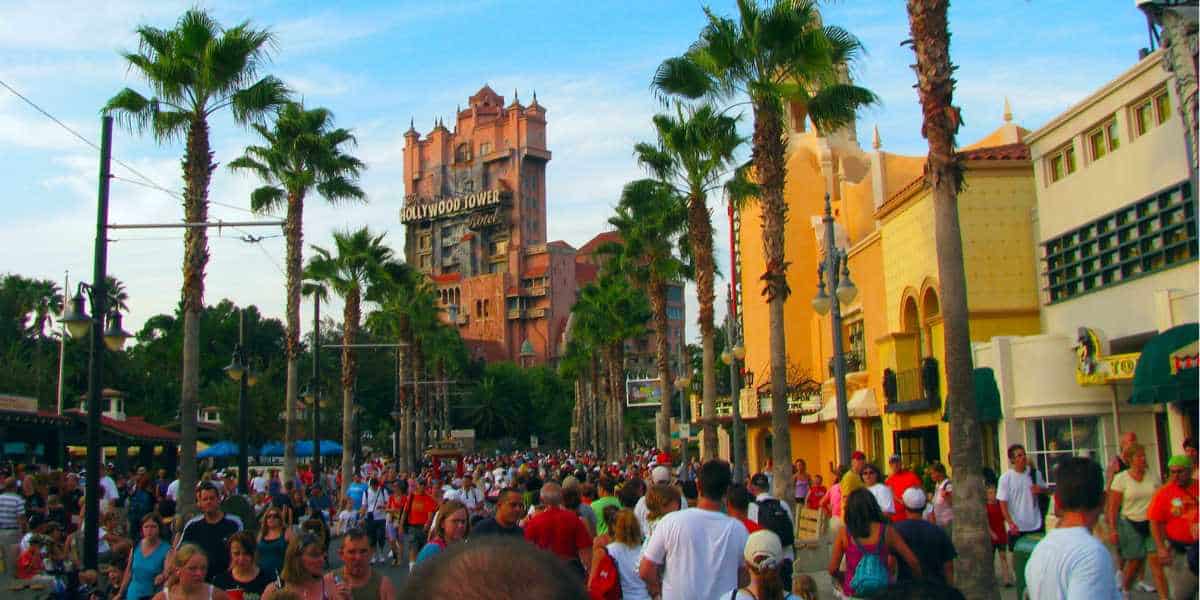
The Pull of Galaxy’s Edge
That pressure landed squarely on Star Wars: Galaxy’s Edge.
This land continues to be one of the biggest draws at Disney’s Hollywood Studios, and it’s easy to see why. Everything about it pulls guests in. The setting, the detail, the interactive elements—it all works together to create something immersive.
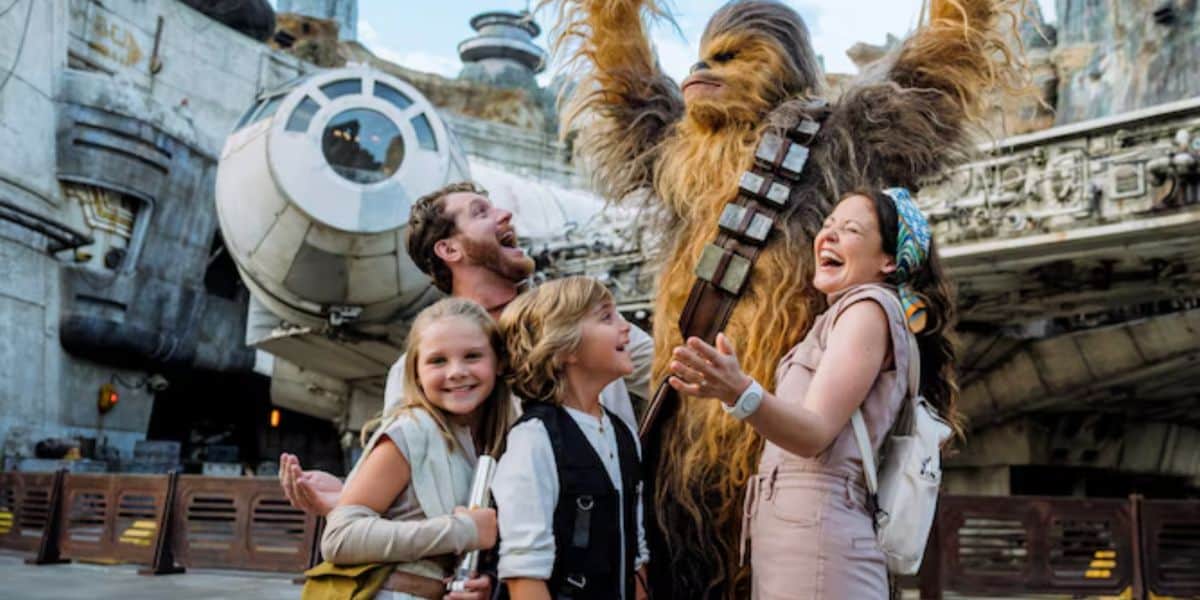
Guests can fly the Millennium Falcon, build custom lightsabers, and step directly into a Star Wars story. But more than anything, they come for one ride.
It’s not just another attraction—it’s the centerpiece. It blends storytelling, multiple ride systems, and large-scale set pieces into something guests don’t want to miss.
And when everyone wants the same experience at the same time, the result is predictable.
The Afternoon That Changed Everything
On March 25, that demand reached a new level.
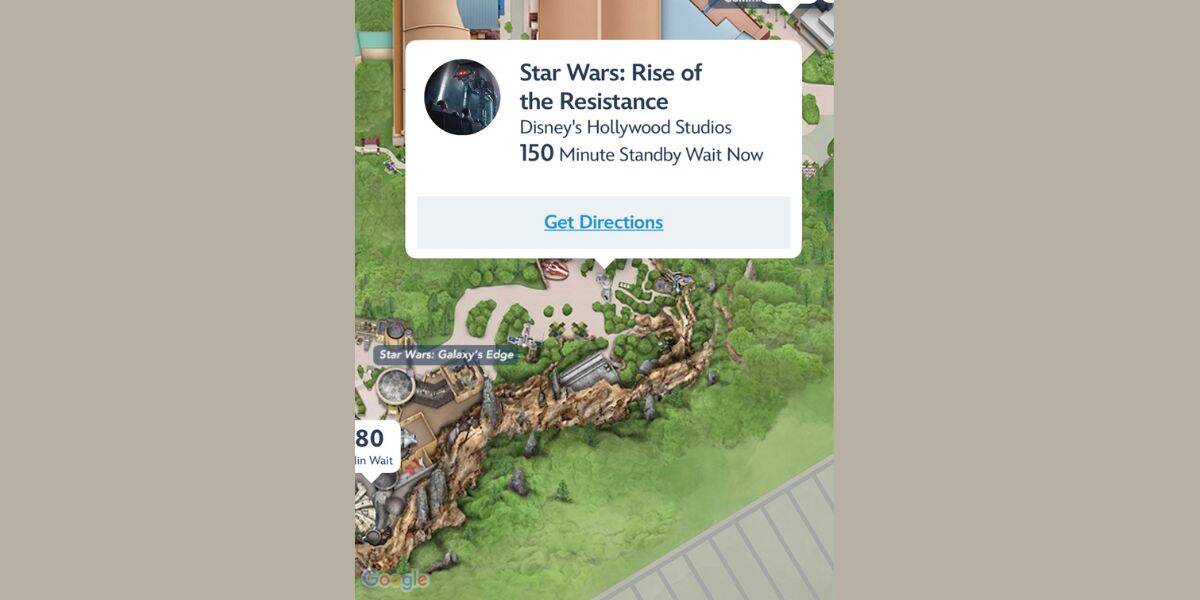
Rise of the Resistance posted a 150-minute wait. That number alone is enough to make most guests pause, but the reality of the line made it even more daunting. Guests were effectively committing to nearly three hours.
At the same time, Smugglers Run sat at 80 minutes, removing any quick alternative inside Galaxy’s Edge.
This is where the experience shifts. You’re no longer choosing between rides—you’re choosing how much of your day you’re willing to give up.
And many guests decided to stay in line.
The Strategy Game Begins
Once wait times reach that level, strategy becomes essential.
Lightning Lane lets you skip standby lines, but it’s not always available when demand spikes. If it’s gone, you’re left with timing as your main advantage.
Some guests aim for early entry, heading straight to Rise of the Resistance before crowds build. Others wait until the evening, hoping for a drop in wait times as the day winds down.
Midday strategies also come into play. Targeting lunch or dinner hours can sometimes offer a slight window when lines ease.
But on days like this, there are no guarantees. High demand can stretch from open to close.

A Single Ride Takes Control
For many guests, this situation boiled down to one reality: one ride took over their entire day.
Spending hours in line changes everything. It limits what else you can experience and forces you to make tough choices about how you spend your time.
For some, it’s still worth it. Rise of the Resistance delivers on expectations. For others, it becomes a frustrating reminder of just how crowded Disney World can get.
Both reactions are valid.

What This Means Moving Forward
Moments like this don’t happen every day, but they reveal something important about visiting Disney World during peak periods.
Crowds can escalate quickly. Plans can shift without warning. And even the most prepared guests can find themselves making unexpected decisions.
The lesson isn’t to avoid these experiences—it’s to be ready for them.
Because when demand peaks, everything changes.
And on March 25, one attraction showed exactly how quickly that can happen.