There’s a noticeable shift happening inside Disney parks right now, and it’s not coming from a new ride or a major land announcement. Instead, it’s coming from something much smaller—but potentially far more impactful.
Disney World has already begun introducing technology that changes how guests interact with characters. At first, it didn’t feel like a big deal. But now, it’s becoming clear that these changes are part of something much larger.
Olaf Signals a New Direction
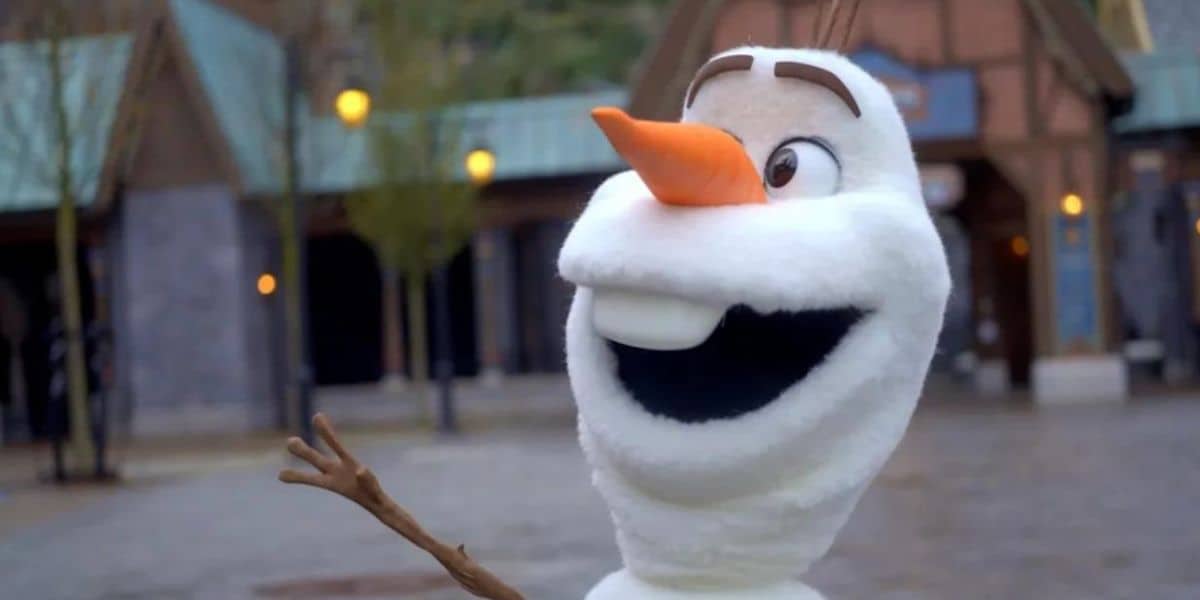
Everything really started to click when Disney revealed its new Olaf animatronic at Disneyland Paris. It wasn’t just impressive—it felt different.
Olaf isn’t a performer in a costume. He’s a robotic character designed to move autonomously. While he hasn’t been fully unleashed into the park yet, Disney has shown him walking independently and interacting with guests in controlled settings.
The movement is what stands out most. It feels natural, not mechanical. Olaf reacts to his surroundings, turns toward guests, and moves in ways that feel far more lifelike than traditional animatronics.
That alone was enough to get people talking.
Changes Are Happening at Disney World Too
At Walt Disney World, a similar evolution is already underway. Frozen Ever After has received updated animatronics, and the improvements are easy to spot.
The characters now move more smoothly, and their expressions feel more detailed. They look closer to their on-screen versions, which makes the entire ride feel more immersive.
It’s a subtle change, but when you connect it to Disney's work with Olaf, it starts to feel like part of a bigger plan.
Disney Is Thinking Bigger
Disney has begun sharing more about what this technology could become. Olaf has already appeared in both Paris and Hong Kong, and Disney has indicated that similar characters could expand to other parks, including Disneyland and Walt Disney World.
That’s a clear sign that this isn’t just a one-time experiment.
Instead, Disney seems focused on scaling this technology across its parks worldwide. Olaf might be the introduction, but the long-term goal appears much broader.

Imagining What Comes Next
Once you start thinking about expansion, it’s hard not to imagine which characters could follow. Some feel like obvious choices.
Baymax fits naturally into Tomorrowland, especially at Tokyo Disneyland. His movements already match what this technology can do. At the same time, characters like Lightning McQueen and Mater could easily fit into the future Piston Peak area at Disney World.
And the list keeps growing:
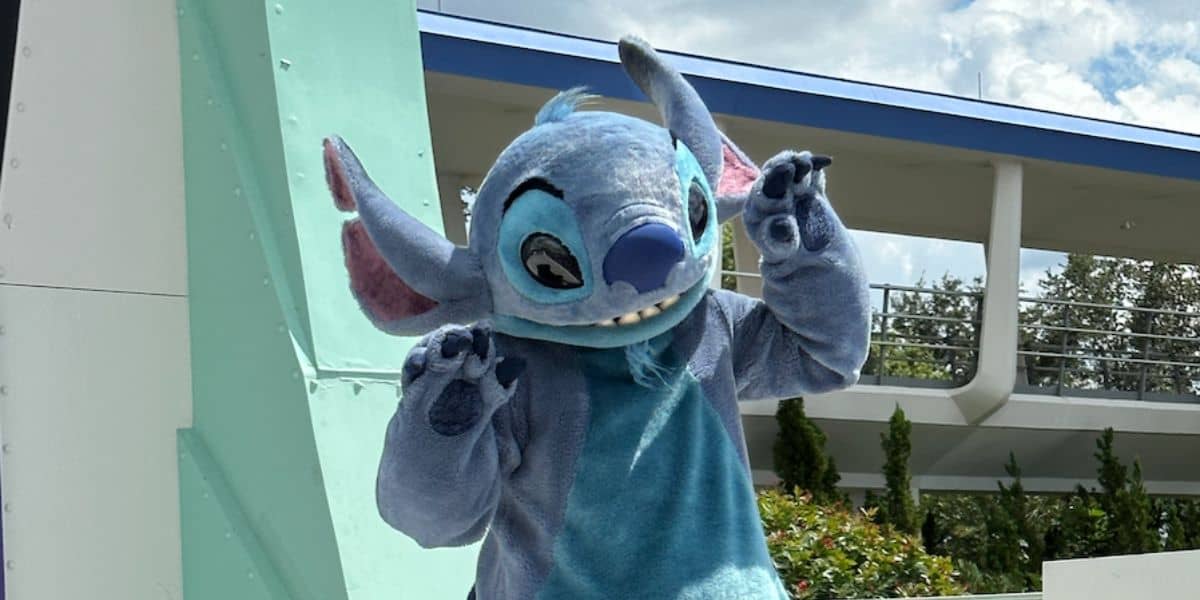
- Stitch – Tomorrowland at Magic Kingdom
- Figment – EPCOT
- Mike Wazowski – Disney’s Hollywood Studios
- Winnie the Pooh – Fantasyland
- Kermit the Frog – Hollywood Studios
- The Little Green Men – Toy Story Land
- Joy or Sadness – EPCOT
Each one brings a unique personality that could translate well into a more interactive setting.
A More Immersive Future Awaits
This kind of technology changes how the parks feel. Instead of structured interactions, guests could experience something more spontaneous.
You might not need to wait in line to meet a character anymore. Instead, you could come across them naturally as you explore the park. That shift alone could make the experience feel more dynamic.
Disney has always focused on storytelling, and this feels like a new way to bring those stories to life.
Which Disney Icon Would You Like to See?
If Disney continues moving in this direction, the parks could start to feel very different in the coming years. These “living” characters have the potential to make each visit feel more unique.
And with so many characters to choose from, the possibilities feel wide open.
If it were up to me, I’d still go with Stitch. It’s the kind of character that would make every interaction feel unpredictable—and that’s exactly what makes this idea so exciting.