HBO has revised the color grading throughout a previously released trailer for its upcoming Harry Potter series, folding the reworked footage into a new promotional spot ahead of the show's Christmas Day debut.
The adjustment, achieved entirely in post-production without additional photography, touches nearly every shot carried over from the project's original March trailer. The revised material appears in a new promo titled “The Best is Yet to Come,” which premiered during Episode 7 of House of the Dragon Season 3.

Context and Timing
The straight-to-series adaptation, developed for Warner Bros. Television under showrunner Francesca Gardiner, is structured as a book-by-book retelling spanning seven planned seasons — a format intended to accommodate material from J.K. Rowling's novels that the 2001–2011 film franchise did not include. The project's scope has been positioned by the studio as a defining television commitment amid ongoing public discourse surrounding Rowling.
HBO has stated a specific creative objective for the series: that its depiction of Hogwarts read as more enchanting than in prior adaptations. That stated goal informed the studio's decision to revisit footage that, according to early viewer response, had not fully aligned with it.
Viewer Response to the Original Trailer
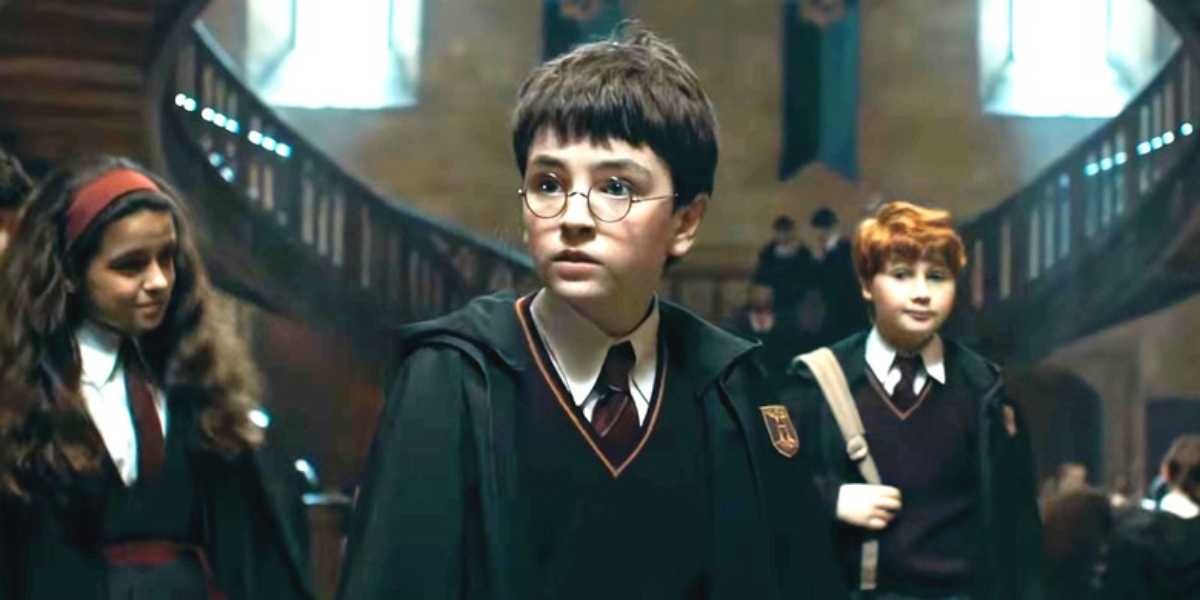
The March trailer marked the public's first extended look at the series and drew a mixed reception across several fronts, including casting and Rowling's involvement in the production. Commentary specific to the visual presentation centered on the footage's cool, blue-grey tint, with some viewers drawing direct comparisons to the warmer cinematography of the 2001 Harry Potter and the Sorcerer's Stone film.
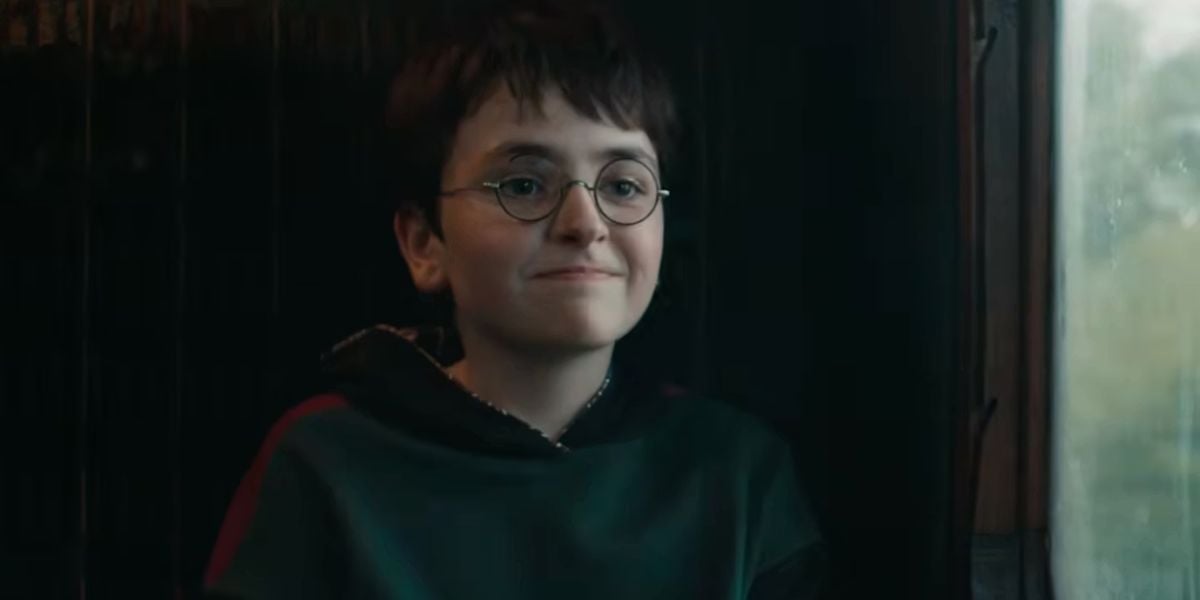
Reaction on Reddit was split. Multiple users argued for a brighter palette outright. One commenter, Ray983, wrote: “I'm sick of trying to work out what's happening on a screen that is 80% darkness and the rest of the time has an ugly blue/grey tinge.” Another user, ClassicXD23, described the lighting as “dreadful,” adding it was a poor match for the 1997 Harry Potter and the Philosopher's Stone novel, characterized as “the most happy and bright book in the series.”
Other viewers defended the original grade as a deliberate choice. Sapphire_Bombay argued the cooler tones were appropriate specifically for scenes set in the Dursleys' household, noting “it's not a place of magic and warmth” and that “the blueish cast to everything is more appropriate” given the character's circumstances. A user identified as elitedisplayE expressed agreement with that distinction, stating a preference that “all muggle scenes before Hogwarts” retain the darker tone while material set after Harry's arrival at Hogwarts remain “brighter, warmer and stays that way.”
Some commenters questioned whether the perceived color issues originated with HBO at all. A user going by TheKingOfSwing777 asked, “Is it original from watching the trailer on HBO or YouTube though?” — raising the possibility that platform-specific compression was responsible for at least part of the effect. A deleted user claimed to have received confirmation that the footage “looked noticeably brighter in the HBO Max App compared to YouTube.”
One commenter, HybridP365, drew a comparison to a prior instance of post-release visual revision in the industry, citing the redesign of the title character following backlash over the 2020 Sonic the Hedgehog film's initial CGI: “they actually went back and updated the CGI Sonic.”
Scope of the Revision
A shot-for-shot comparison conducted by The Direct identified specific changes across the reworked footage:
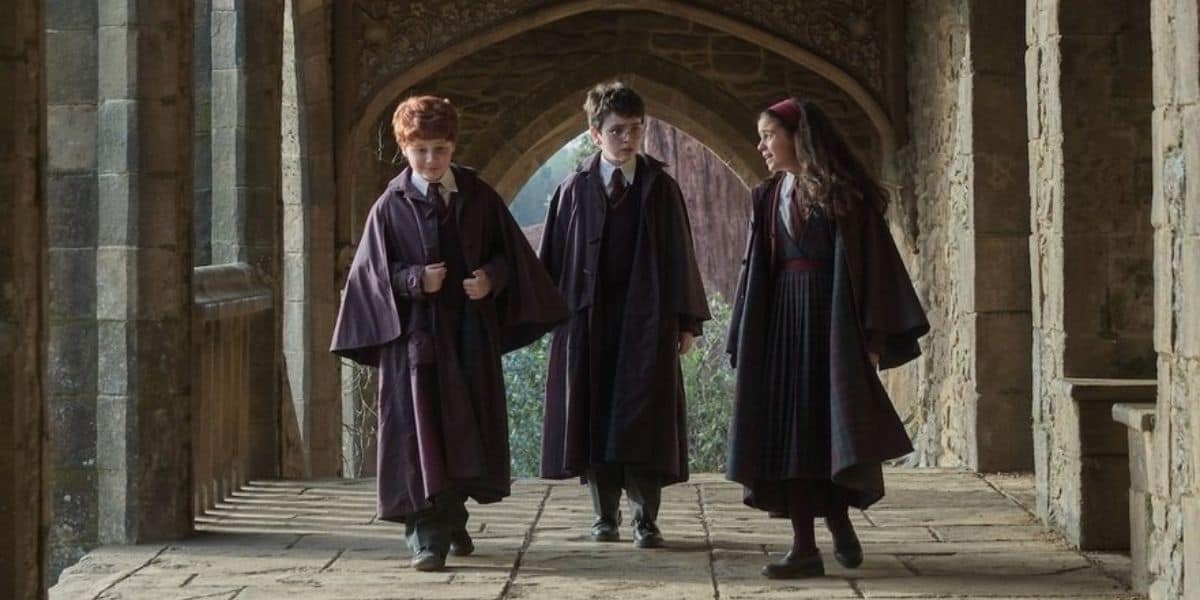
The courtyard sequence featuring Harry (Dominic McLaughlin), Ron (Alastair Stout), and Hermione (Arabella Stanton) no longer presents in near-total shadow, with the staircase and house flags in the background now visible. The Great Hall sequence depicting the Sorting Ceremony has been brightened, with overhead chandeliers rendered in additional detail.
Other adjustments were comparatively minor. A candlelit scene featuring Snape (Paapa Essiedu) shows added warmth and contrast, though the change is less pronounced than in other sequences. A scene featuring Dumbledore (John Lithgow) holding a tuning fork, previously well-lit, received corrections consistent with the revised visual approach applied throughout, as did a scene featuring McGonagall (Janet McTeer), in which both her figure and the surrounding set now present with additional clarity.
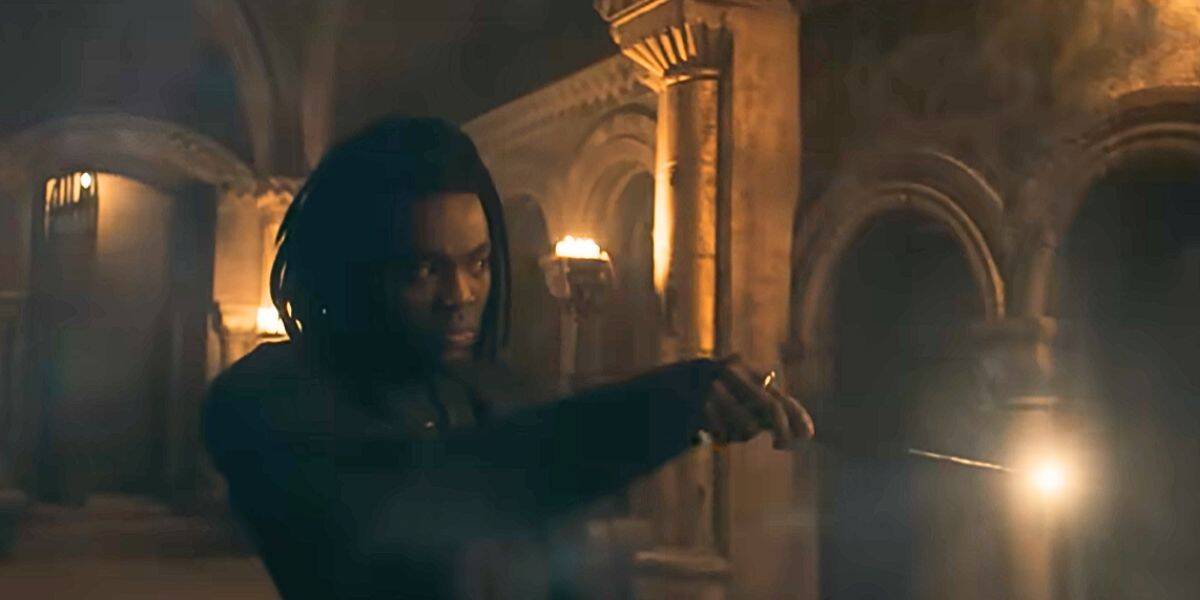
Two sequences involving Harry alone underwent more substantial revision. A candlelit classroom appearance shifted from a flat, dim presentation to one incorporating a golden cast. The trailer's closing shot, depicting Harry walking through falling snow in his No. 7 Quidditch uniform, now presents his maroon-and-gold robe with greater vividness, with the surrounding crowd rendered more distinctly.
Because the revision was accomplished through color correction alone, HBO retains the ability to continue adjusting the visual presentation of the series without additional production work ahead of its premiere.
Casting
The series' principal cast includes Dominic McLaughlin as Harry Potter, Alastair Stout as Ron Weasley, and Arabella Stanton as Hermione Granger. Supporting cast includes John Lithgow as Albus Dumbledore, Janet McTeer as Minerva McGonagall, Paapa Essiedu as Severus Snape, Nick Frost as Rubeus Hagrid, Rory Wilmot as Neville Longbottom, and Lox Pratt as Draco Malfoy.
Gracie Cochrane, previously cast as Ginny Weasley, will not continue in the role; HBO plans to recast the part ahead of Season 2.
The studio has also cast Peter Serafinowicz as Peeves the Poltergeist, a character omitted from the original film franchise despite scenes having been filmed for Harry Potter and the Sorcerer's Stone by the late Rik Mayall before their removal. Serafinowicz's prior credits include How to Train Your Dragon, Parks and Recreation, Guardians of the Galaxy, and voice work as Darth Maul in Star Wars: Episode I – The Phantom Menace.
Outlook
The series recently received a TV-14 rating, a designation of note given the franchise's substantial younger viewership. With the premiere approximately four months away, the studio's ongoing revisions to the show's visual presentation suggest further calibration is likely before the series reaches audiences.
How do you feel about the upcoming Harry Potter series? Let us know in the comments down below!