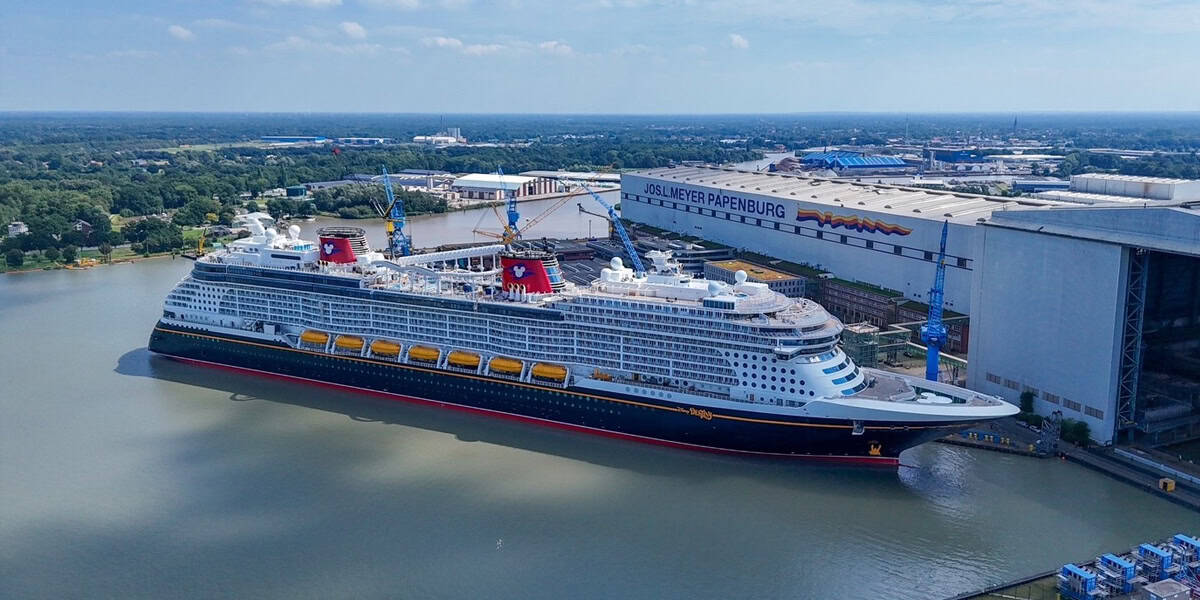
A 20-year-old Chicago man has been federally indicted over an alleged Disney Cruise Line bomb threat made by telephone in December 2025, according to the U.S. Attorney’s Office for the Middle District of Florida. Prosecutors say Daquan Lamont Smith transmitted a threat involving passengers aboard a cruise ship traveling from The Bahamas, a charge carrying up to five years in federal prison if convicted.
The case is serious, but it does not establish that a bomb was aboard a Disney ship, that Disney Cruise Line’s fleet was breached, or that passengers faced an actual explosive device.

Federal Prosecutors Detail the Alleged Disney Cruise Line Bomb Threat
The Justice Department announced the indictment September 8, 2026. Prosecutors allege Smith made the call on December 6, 2025, transmitting what the indictment characterizes as a “true threat” to injure cruise-ship passengers.
The indictment quotes the caller claiming to be aboard a cruise boat from The Bahamas and saying there was a bomb onboard that he wanted to detonate. Smith is charged with interstate transmission of a threat; an indictment is an accusation, not a finding of guilt, and he is presumed innocent unless proven guilty.
The Orlando Sentinel reports that the call was made to Disney Cruise Line and that Smith has pleaded not guilty. It also reports that his defense is challenging the Florida venue and seeking suppression of an FBI interview. Those defense claims are not detailed in the Justice Department’s announcement.
What Remains Unknown About the Ship and Passenger Impact
One major unanswered question is which vessel, if any, authorities believed the caller was referencing. The federal announcement does not name a Disney ship, itinerary, departure port, or specific passengers.
It also does not say investigators found an explosive device. The Orlando Sentinel reports that it is unclear whether the alleged threat resulted in an evacuation, and the incident apparently was not publicly reported when prosecutors say it occurred.
The case therefore should not be treated as evidence of a successful attack or fleet-wide security failure. Disney Cruise Line has faced other onboard investigations—including a reported crew-member poisoning allegation aboard the Disney Dream—but those separate events do not establish a pattern connected to this case.

Disney Publishes Multiple Layers of Cruise Security
Disney Cruise Line says its safety system includes training, drills, equipment inspections, internal and external audits, technical redundancies, and safety-management procedures. Guests also undergo terminal security screening, including bag X-rays and metal detectors.
Disney’s prohibited-items policy bars firearms, ammunition, knives, and other weapons. Its Cruise Vessel Security and Safety Act guide directs guests to shipboard Security and Guest Services to report alleged crimes or missing persons and says certain serious incidents on qualifying voyages must be reported to federal agencies.
Security also extends to ports. Disney says adult guests generally must present a valid photo ID and their Key to the World card when reboarding, including at Castaway Cay and Lookout Cay.
The Justice Department release does not describe Disney’s operational response to the December call.

A Threat at Sea Can Become a Jurisdictional Problem on Land
Cruise security is complex because a ship can intersect with federal law, local authorities, foreign ports, and its registry during one itinerary. Disney’s security guide notes that the FBI may assert jurisdiction in specified circumstances and that nations visited, as well as The Bahamas, may have jurisdiction or reporting requirements.
That complexity is central to the dispute now reported in Smith’s case. The Orlando Sentinel says his attorney wants the Orlando prosecution moved to Illinois because Smith was allegedly in Chicago when he made the call. The newspaper also reports that an Osceola County detective later told the FBI the local agency could not prosecute because the matter fell outside its jurisdiction.
The defense is also seeking to suppress Smith’s FBI interview, according to the Sentinel, arguing that it was unrecorded and conducted without Miranda warnings. A judge has not yet ruled on those motions, the newspaper reports.
Other Disney Cruise Line stories illustrate how maritime incidents can involve outside authorities. Inside the Magic reported in July that Spanish authorities boarded the Disney Dream during a separate crew investigation, while a Disney Wish sailing returned to Port Canaveral following a reported medical emergency.
What Happens Next in the Federal Case
The Justice Department says the FBI investigated the alleged threat and Assistant U.S. Attorneys in Orlando will prosecute the case. Its release does not identify a Disney vessel or describe any security action Disney took.
That absence is important. There is currently no verified basis to say the allegation exposed systemic insecurity across the Disney Cruise Line fleet, and no public evidence cited by prosecutors shows an explosive reached a ship.
The Orlando Sentinel lists Smith’s next hearing for October 13. However, the Middle District of Florida’s public calendar currently shows an arraignment scheduled for September 10, creating a scheduling discrepancy that should be checked against the live docket before publication.
Until the court resolves the reported defense challenges or authorities release more information, the alleged Disney Cruise Line bomb threat remains a criminal accusation—not proof that Disney passengers faced an actual bomb at sea.