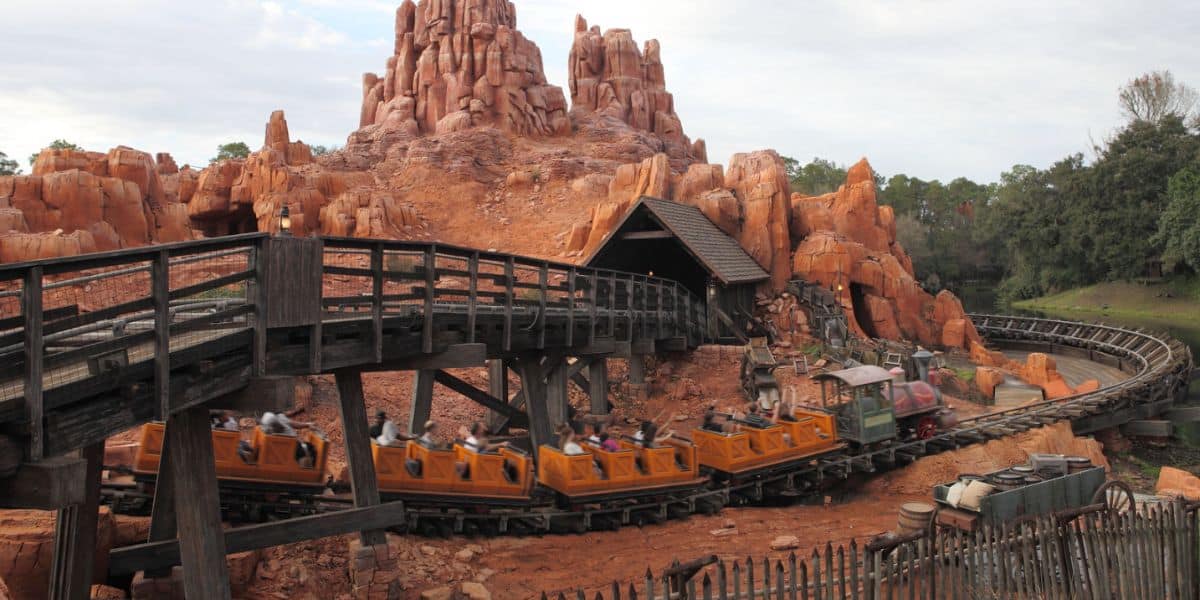
Disney has filed for a patent covering technology that could fundamentally change how the company catches equipment failures on its attractions before they become visible problems. Instead of depending on a Cast Member noticing something sounds slightly off, or waiting for an actual malfunction to occur, this system would use artificial intelligence to continuously listen to ride equipment and flag unusual sounds early. The application was filed in March 2025 and published on September 24, 2026.
For anyone who's experienced a ride shutting down unexpectedly mid visit, this is exactly the kind of quiet, behind the scenes engineering that could eventually cut down on those moments. Here's a breakdown of how Disney describes the technology working, along with where it fits into the company's growing list of AI focused patent filings.
The Setup Behind Filtering Out Noise From Machinery

According to the patent, the system relies on a scientific microphone positioned directly at a specific piece of equipment, whether that's a track switch, an actuator, or a motor. That microphone is housed inside a cylindrical wind filter meant to reduce outdoor interference from wind and ambient park noise. A separate sensor determines when the equipment is actually operating, and recording only happens during that active window rather than running continuously all day.
The patent's example describes a sensor tied to a track switch, triggering recording specifically while the switch is in motion. That keeps individual audio clips down to just a handful of seconds, avoiding the need to process hours of unnecessary background sound.
Two machine learning models then take over from there. The first is trained using a library of human voice recordings layered over typical equipment noise, teaching the system to filter out guest voices, screaming, and other emotional sounds that would otherwise interfere with the analysis. What's left afterward is a cleaned up frequency signature representing the machinery on its own. The second model, described as an autoencoder, is trained specifically on months of that exact equipment's normal operating sound. It attempts to recreate any new, voice filtered recording it receives, and a strong match indicates everything still sounds the way it should.
Spotting a Problem Before It Becomes Obvious
The system tracks reconstruction errors across an entire operating day, comparing them against a baseline pattern recorded while the equipment was confirmed to be functioning normally. A statistical calculation then determines whether any given deviation is significant enough to qualify as a genuine anomaly rather than typical daily variation.
In the patent's own illustration, a track switch running for roughly eight seconds at a time throughout the day shows a reconstruction error that spikes sharply during the final seconds of one particular cycle, well above its established baseline. That spike suggests something changed in how the switch was physically moving. Alerts generated from this process can arrive alongside a visual chart plotting the error over time, giving maintenance teams a clear reference point for exactly when the sound pattern shifted.
Why Disney Would Actually Want This Technology
There's no attraction named specifically in the patent, and nothing confirms Disney has actually built or installed a working version of this system anywhere yet. Patents typically protect an idea rather than guarantee its eventual rollout. Still, this filing arrives amid a broader wave of Disney patents focused on daily park operations, including a 2024 filing for drone based ride envelope testing meant to automate the manual safety checks Cast Members currently perform each morning.
The reasoning behind the patent makes a fairly compelling case on its own. Relying entirely on human operators to notice an unusual sound has clear limitations. Cast Members can't always be positioned close enough to every piece of equipment, and even those nearby don't always agree on what qualifies as unusual amid the general noise of a busy attraction. A model trained specifically on months of one component's typical sound sidesteps that inconsistency entirely. Catching a failing part early enough could turn a potential midday shutdown into a routine overnight repair instead.
A Second AI Patent Is Also Making Waves at Animal Kingdom
This isn't Disney's only recent move into AI powered park technology. A separate patent describes an AI camera system intended for Animal Kingdom, designed to monitor animal behavior and alert guests or animal care Cast Members when something notable happens. The system would rely on cameras paired with AI analysis to identify behavior meeting certain criteria, then push a notification directly to a mobile device.
Since animals obviously don't operate on any kind of predictable park schedule, this kind of alert system could genuinely help guests catch moments they'd otherwise miss, whether that's along Kilimanjaro Safaris or the Gorilla Falls Exploration Trail. That said, there's an understandable tradeoff worth mentioning, since giving guests another reason to check their phone inside a park built around quiet, patient observation isn't automatically a positive outcome. A lot would hinge on execution details Disney hasn't revealed, including whether these alerts would be optional and how often they'd actually show up.
Just an Idea for Now, Not a Confirmed Feature
If you're planning a Disney trip anytime soon, there's nothing here to actually prepare for just yet. Both of these patents describe concepts Disney is protecting on paper rather than technology currently being tested or installed at any specific park. Should the ride equipment monitoring system eventually make it into real use, the most likely benefit for guests would simply be smoother, more consistent ride operations, with fewer unexpected closures interrupting an otherwise normal park day.
Whether any of this eventually shows up at Magic Kingdom, Animal Kingdom, or elsewhere across Walt Disney World remains completely unclear at this stage. For now, these filings offer a genuinely interesting look into where Disney's engineering priorities are trending, even if none of it will be noticeable on your next visit through the gates.
What kind of AI powered features would you actually want to see rolled out at the parks? Share your thoughts in the comments, we're curious which ideas resonate most with guests.