

An Australian family’s Tokyo Disney trip has become an overseas transport crisis after their teenage son developed a severe fear of flying, according to a fundraiser supporting them. His parents remain in Japan while seeking a way home, with the appeal listing a medical transport quote of $300,000.
That figure needs to be separated from the campaign’s $200,000 fundraising goal. Neither amount establishes a confirmed final bill, and the appeal contains another, higher estimate that remains unexplained.
For Disney travelers, the immediate story is a family seeking help getting home. The available evidence does not establish that a park attraction, an accessibility policy, or an incident at Tokyo Disney Resort caused the situation.

A Tokyo Disney Trip Followed by an Unexpected Crisis
The fundraiser, organized by Janelle Goulding, identifies Ryan as an autistic eighteen-year-old who loves Mickey Mouse. It says Brad and Mel traveled to Japan with their three children for a Disney vacation.
According to Goulding’s account, Ryan had previously flown without problems but developed distress severe enough to prevent him boarding a commercial aircraft. The appeal says the family was advised that sedation and specialist medical transport would be needed.
Those statements describe the organizer’s account of advice given to the family. They are not an independently reviewed medical assessment or confirmation that a particular treatment has been scheduled.
The campaign also says the couple’s other two children returned to Australia with their grandmother. Their parents stayed behind with Ryan.

Why the Flight Estimates Need Careful Reading
At the time of review, the fundraiser displayed an Australian-dollar goal and separately listed a $300,000 transport quote. Its narrative also retained a reference to costs exceeding half a million dollars, without reconciling the figures.
A separate October 27 report from news.com.au put a CareFlight estimate at a minimum of $296,000, with additional hospital-related expenses possible. These are reported estimates, rather than a published invoice establishing the ultimate cost.
Consequently, describing this as a “$200,000 medical flight” would confuse the fundraising target with the transport estimate. Leaving the currency unspecified would create another avoidable ambiguity for American readers.
The difference matters beyond headline accuracy. A fundraising goal can represent only part of the amount a family hopes to cover, while a quoted transport price may exclude other expenses. Neither should be presented as a complete accounting without supporting documentation.
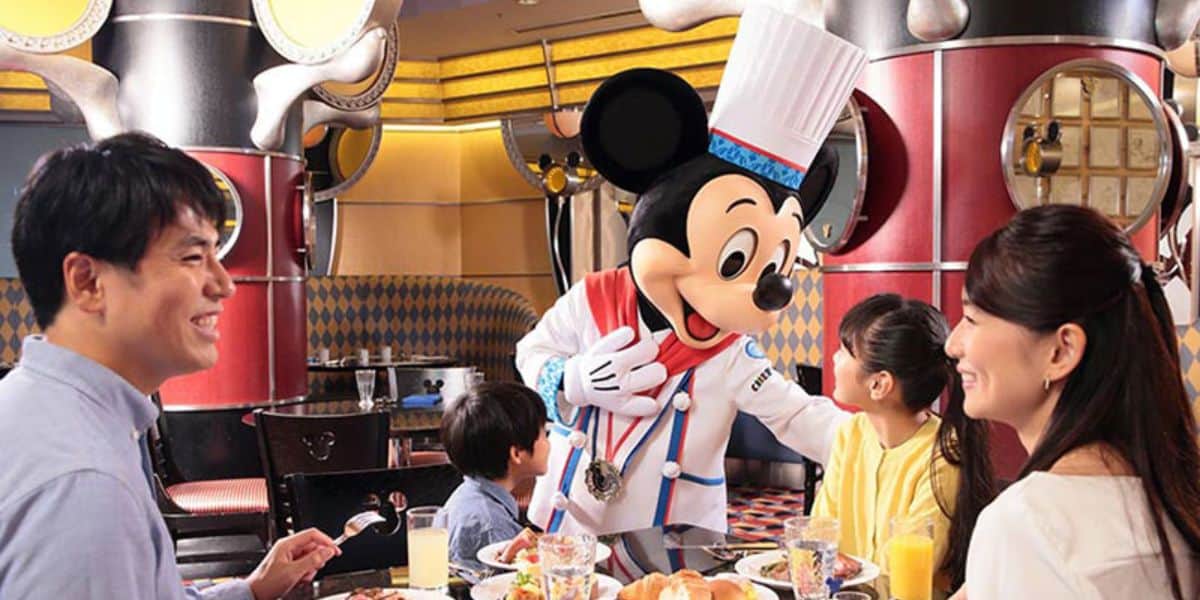
What Tokyo Disney Actually Offers Guests
Tokyo Disney Resort’s official disability services page describes assistance for eligible guests who have difficulty standing in queues. It also provides an information book in English and Japanese.
Under Disability Access Service, eligible visitors can wait separately with their party until a designated return time. The resort says this arrangement does not shorten the wait, and attraction boarding requirements still apply.
Overseas visitors are asked to bring a disability certificate issued under their home country’s laws. Registration requires the certificate, the party’s park tickets and the eligible guest’s presence.
These details are useful for prospective visitors, but they address access within the parks. They do not establish Ryan’s medical circumstances or explain what arrangements an airline would accept.
Inside the Magic’s coverage of calls for sensory rooms offers related background on accessibility advocacy. It should not be read as evidence that sensory overload caused this family’s flight difficulties.

Planning Beyond the Park Entrance
For Australian travelers, Smartraveller’s disability travel guidance recommends discussing overseas health needs with a doctor and researching available care before departure. It also advises checking transport providers and accommodation for suitable support.
The Australian Government specifically tells travelers to declare disabilities to their insurer and check whether their policy covers services they may need, including medical evacuation. Coverage depends on the policy and individual circumstances.
Inside the Magic’s earlier guide to Disney travel insurance provides general background on considering protection when booking. Because that article predates this case and concerns Disney vacation planning, readers should confirm current terms directly with their own provider.
For an international theme park holiday, practical questions extend beyond tickets: what assistance is available at airports, how medication can be obtained legally, and whom to contact if travel plans change.
Smartraveller also sets limits on consular help: officials may provide lists of local medical professionals, but the government does not pay travelers’ medical expenses. That distinction is relevant for Australians weighing whom to contact during an overseas disruption and what assistance they can reasonably expect.
Those questions are preparation prompts, not evidence that this family failed to plan. The publicly available material does not establish a complete insurance decision or explain every medical and logistical option considered.

What Happens Next for the Family
The next meaningful development would be confirmation of an agreed transport plan, its funding and a safe return to Australia. The sources reviewed do not establish a completed medical flight or a confirmed departure date.
Further reporting should reconcile the competing cost estimates and clarify which expenses any transport quote includes. A new fundraising total alone would not answer those questions.
Until then, the most useful account keeps the family’s stated needs, the reported estimates and the remaining unknowns distinct. For readers following their situation, the original appeal is the direct place to check for organizer updates about arrangements to bring Ryan home.