

The biggest legal threat to Main Street, U.S.A. in decades just evaporated, and Disney World didn't have to call a single witness.
Court records show the $50,000 lawsuit over Magic Kingdom's famous trolley tracks has been permanently dropped, months before its scheduled trial in late 2027. No verdict. No disclosed settlement. Just a filing that ended everything, forever.
Here's the whole saga, from the fall to the final paperwork.
The Fall That Started It
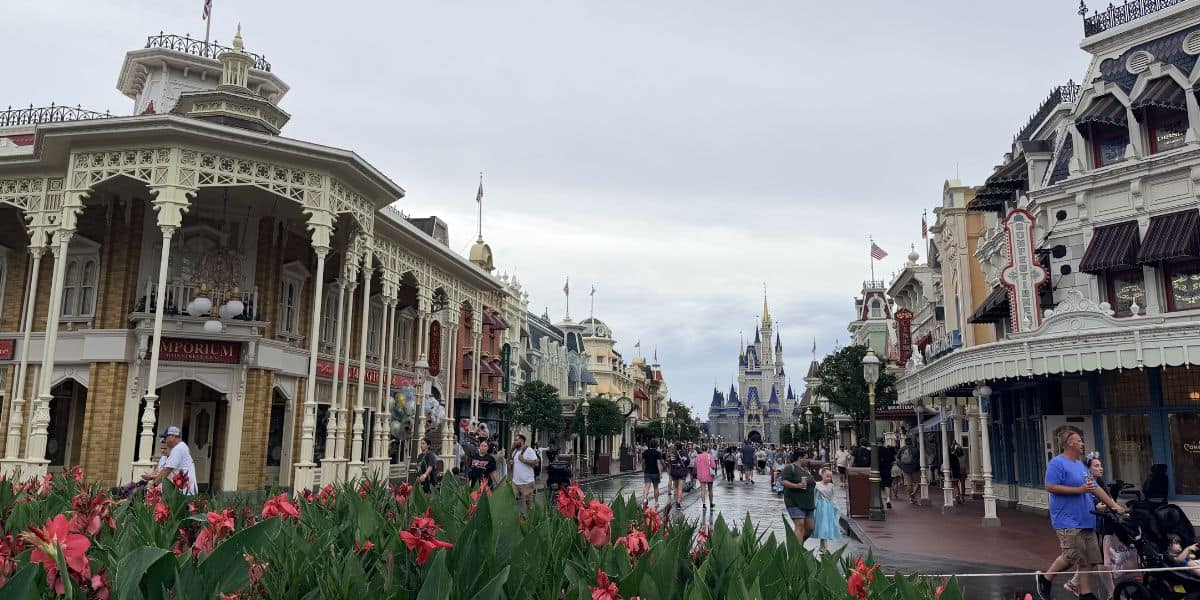
October 24, 2025, around 5 p.m., near the hub in front of Cinderella Castle, one of the busiest patches of pavement on Earth. According to the lawsuit, filed that December in Orange County by Kentucky resident Rhonda Smith, her foot caught on the embedded steel rails and flangeways of the Main Street, U.S.A. trolley track, and she went down.
Her complaint alleged the damage was severe: serious and permanent injuries, medical bills over $20,000, lost wages, diminished earning capacity, and ongoing physical and mental pain. The legal theory was negligence. The filing claimed the tracks created hazardous gaps and elevation changes, and that Disney failed to warn anyone, no signs, no cones, no guardrails, no stanchions, even during parade crowds and packed evenings. She wanted more than $50,000 and a jury.
Disney Came Out Swinging
Disney's January response read like a company with zero intention of writing a check. The defense denied all liability and planted its flag on three words: open and obvious.
The argument: the tracks are plainly visible, they've been part of Main Street's design for decades, and guests bear responsibility for watching where they walk. Disney's lawyers claimed the guest failed to pay adequate attention, assumed the risk, and, under Florida's modified comparative negligence rule, carried more than 50 percent of the fault, a threshold that would bar her from collecting anything at all.
The defense went further, suggesting her alleged injuries might stem from other medical conditions rather than the fall. That's a standard hardball move in injury cases, and it signaled exactly how Disney planned to play this. The company demanded a jury trial of its own. Both sides were loading up for a fight.

Then Came the Paperwork
The fight never happened. Court records show the plaintiff filed a Notice of Voluntary Dismissal with Prejudice, and those last two words are the entire story.
With prejudice means permanent. The case is dead, and the same claim can never be filed again. No reason appears in the filing, no settlement appears in the record, and because the dismissal was voluntary, no judge ever ruled on whether the tracks were dangerous or whether anyone was at fault. Disney's win column gets a tally without the company ever picking a jury.
What Was Actually on the Line
Don't let the $50,000 figure fool anyone. The real stakes were the tracks themselves.
Those rails have anchored Main Street's early-1900s illusion since Magic Kingdom opened in 1971. A courtroom finding that they were unreasonably dangerous could have forced warnings, barriers, redesigns, or removal, a visible rewrite of the most photographed entrance in theme park history. And with tens of millions of guests funneling down that street every year, one winning claim could have opened the floodgates to copycat suits. Disney wasn't just defending a walkway. It was defending a precedent.
That threat is now gone, at least from this case. The tracks stay exactly where they've been for more than five decades, unmarked and unchanged.
The Disney Street Wins Again
Main Street, U.S.A. has outlasted hurricanes, recessions, refurbishments, and now a lawsuit with its name on it. The horse trolleys keep clopping, the rails keep gleaming in the afternoon sun, and the crowds keep staring up at the castle instead of down at their feet.
Which, for the record, is exactly how this whole thing started. Look up at the magic. Just maybe not the entire time.