
Few film franchises carry the same cultural weight as Star Wars. Since the release of Star Wars: A New Hope (1977), the saga has grown from a single film into an expansive universe of movies, television series, books, comics, and theme park experiences.
At the center of it all sits a group of movies fans have long referred to as the original trilogy — the trio of films that introduced Luke Skywalker, Han Solo, and Princess Leia to audiences around the world.
But after more than four decades, Lucasfilm has quietly updated how those movies are officially labeled.
A New Name for the Franchise’s Most Iconic Era
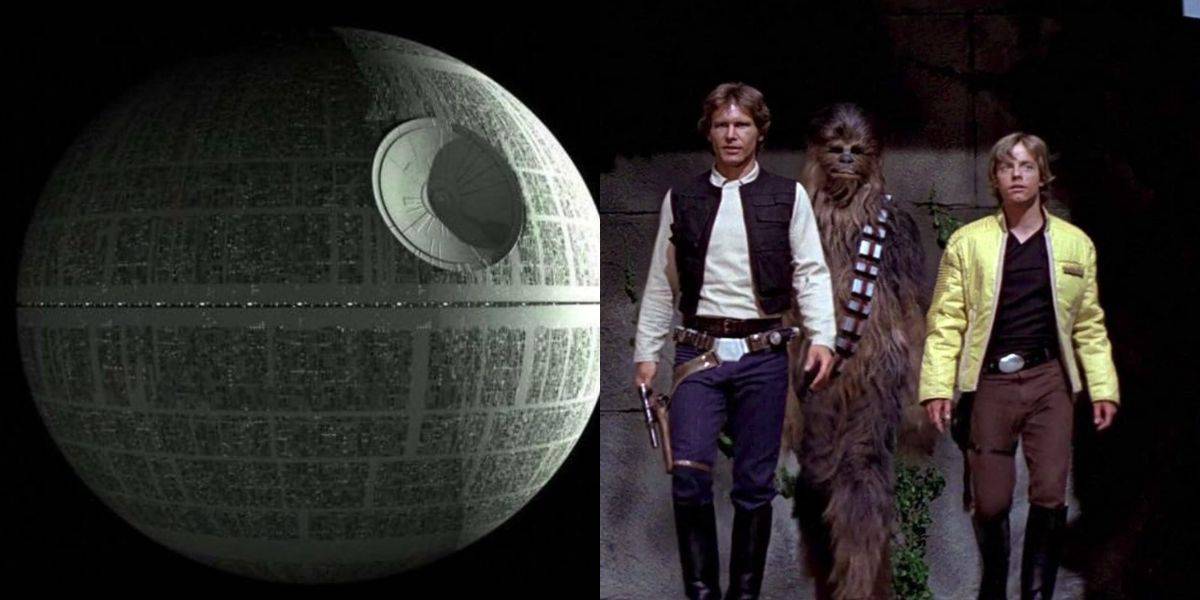
According to newly released promotional materials tied to a Blu-ray collection, Lucasfilm now refers to the classic trio of films as the “center trilogy.”
The label applies to the three movies that were originally released between 1977 and 1983: A New Hope (1977), The Empire Strikes Back (1980), and Return of the Jedi (1983).
While longtime fans still commonly call them the “original trilogy,” Lucasfilm’s new terminology reflects their place within the nine-film Skywalker Saga timeline.
Because the movies represent Episodes IV, V, and VI, they now sit squarely in the middle of the story that stretches from The Phantom Menace (1999) to The Rise of Skywalker (2019).
By adopting the “center trilogy” label, Lucasfilm is emphasizing the idea that the saga functions as one continuous story with a clear beginning, middle, and end.
Why These Movies Still Define Star Wars
Even with a new name attached, the importance of these films to the franchise cannot be overstated.
When A New Hope premiered in 1977, it introduced audiences to a universe unlike anything seen before on screen. The film combined classic adventure storytelling with groundbreaking visual effects, instantly turning Star Wars into a global phenomenon.
The sequel, The Empire Strikes Back (1980), raised the emotional stakes dramatically. The film’s darker tone, combined with the shocking revelation about Darth Vader’s identity, helped elevate the franchise from blockbuster entertainment to cinematic legend.
Finally, Return of the Jedi (1983) brought the original storyline to a satisfying conclusion as Luke confronted both Darth Vader and Emperor Palpatine in a battle that determined the fate of the galaxy.
The chemistry between Mark Hamill, Harrison Ford, and Carrie Fisher became a defining part of the saga’s appeal, helping create one of the most beloved ensembles in film history.
For many fans, those three films still represent the purest version of Star Wars storytelling.
The Disney Era and Its Divisive Moments
The new naming convention also arrives after years of change within the franchise.
Since Disney purchased Lucasfilm in 2012, the company has dramatically expanded the Star Wars universe. New films, streaming series, and animated projects have introduced fresh characters while revisiting familiar parts of the galaxy.
The sequel trilogy — beginning with The Force Awakens (2015) — attempted to continue the Skywalker story decades after the events of Return of the Jedi.
But that era also sparked significant debate among fans.
The Last Jedi (2017) in particular became one of the most polarizing entries in the franchise. Director Rian Johnson’s interpretation of Luke Skywalker as a disillusioned Jedi Master divided audiences and led to ongoing discussions about the direction of the saga.
The trilogy concluded with The Rise of Skywalker (2019), which attempted to resolve multiple story threads and restore a sense of closure to the Skywalker narrative.
Meanwhile, Disney also restructured the franchise’s canon by reclassifying decades of expanded universe material as “Legends.” While that decision allowed for new storytelling freedom, it also removed a large body of beloved stories from official continuity.

What the New Label Means Going Forward
Ultimately, the shift from “original trilogy” to “center trilogy” reflects Lucasfilm’s evolving approach to how it frames the Skywalker Saga.
The franchise has grown far beyond the three films that started it all. Today, the story spans multiple generations of characters and countless corners of the galaxy.
Positioning the classic films as the “center” of that saga reinforces their importance while acknowledging the broader narrative that now surrounds them.
Still, for millions of fans who first discovered the galaxy far, far away through Luke Skywalker’s journey, the term “original trilogy” will likely remain the most natural way to describe those films.
Regardless of what Lucasfilm calls them, the trio of movies released between 1977 and 1983 will always stand as the foundation of Star Wars.
After all, without those three films, there would be no saga at all.