
Security personnel at EPCOT removed a guest from the Guardians of the Galaxy: Cosmic Rewind queue following a physical altercation involving line cutting behavior.
The incident, documented in a detailed Reddit post, occurred when a guest physically pushed a child who was attempting to move through the queue to reunite with companions positioned ahead in line. While the adult guest was removed for inappropriate physical contact, the confrontation illuminates persistent tensions surrounding line cutting at Disney parks and raises questions about whether current policies and enforcement measures adequately address behavior that increasingly frustrates paying visitors.
Line cutting at theme parks represents one of the most contentious guest behavior issues, touching on fairness perceptions, time value, and social norms around queuing etiquette. Disney's official policy prohibits line jumping and saving places in line, yet enforcement remains inconsistent enough that many guests report frequent violations without meaningful intervention from cast members. This enforcement gap creates conditions where frustrated guests sometimes attempt to police queue behavior themselves, occasionally leading to confrontations that escalate beyond verbal disagreements into physical contact or security involvement.
The incident at Guardians occurred during a period when large youth groups were visiting the parks, creating particular challenges for queue management. These groups, often numbering dozens or hundreds of participants wearing coordinating attire, frequently become separated in long attraction queues. When separated group members attempt to rejoin their companions by bypassing other waiting guests, tensions arise between those who view this as understandable group coordination and those who see it as unfair line cutting that extends everyone else's wait time.
What differentiates this incident from typical line cutting disputes is the escalation to physical contact with a minor. Regardless of provocation or frustration level, physical contact with children crosses clear boundaries that justify immediate security intervention and guest removal. However, examining the circumstances that led to this escalation reveals systemic issues with how Disney manages queue behavior during high-attendance periods when large groups create predictable challenges.
Guest accounts from similar situations at other attractions, particularly Ratatouille in EPCOT, suggest this incident represents a pattern rather than an isolated occurrence. Multiple reports describe large groups attempting to bypass dozens or hundreds of other guests to reunite separated members, creating situations where other guests feel compelled to intervene because cast member presence and enforcement appear insufficient. This dynamic places regular park visitors in uncomfortable positions where they must choose between accepting extended wait times caused by others' rule violations or becoming involved in potentially contentious confrontations.
Details From the Queue Incident
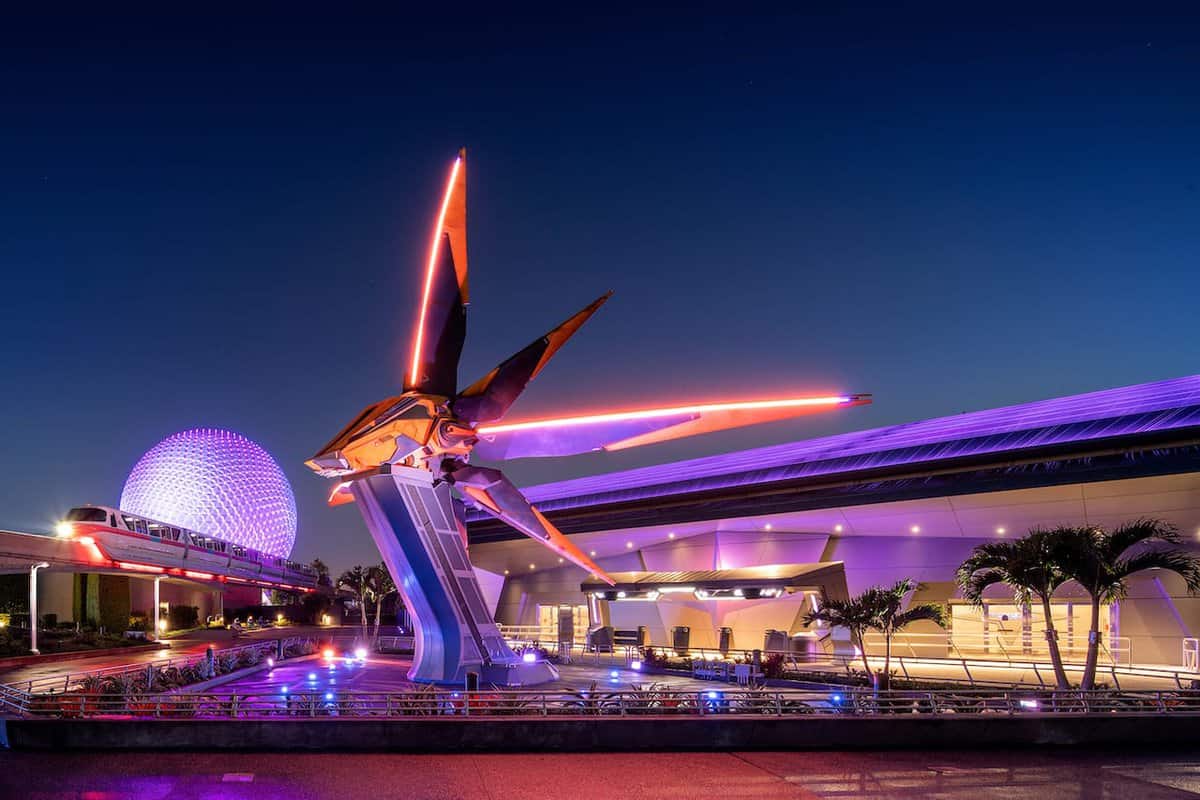
According to the Reddit account, four children were moving forward through the Guardians queue attempting to reach friends positioned ahead when a guest refused passage. The situation escalated rapidly, with the guest pushing one child while expressing frustration about repeated line cutting and insisting all guests should wait their turn. Security personnel responded to the incident and removed the adult guest from the attraction line before the ride.
The original poster acknowledged that physical contact with children is never acceptable while simultaneously noting that guest frustration over line cutting appears to be reaching critical levels. During cheer week, when large youth groups populate Disney parks, separated group members frequently attempt to navigate through queues to rejoin their parties, creating conditions where these confrontations become more likely.
The incident sparked substantial discussion within the Reddit community, with numerous commenters sharing similar experiences that suggest line cutting conflicts have become common occurrences rather than rare anomalies. These accounts provide context for understanding why frustration has intensified to points where confrontations escalate beyond verbal disagreements.
Patterns Emerge From Guest Experiences
Community responses to the Reddit post revealed that line cutting confrontations occur regularly at multiple EPCOT attractions. One commenter described an incident at Ratatouille involving approximately 100 teens in matching tour group shirts. When about 20 members of this group noticed five companions positioned ahead in line, they attempted to bypass all intervening guests to join those ahead. Other guests in line refused to permit the mass bypass, insisting that if the group wanted to remain together, the members ahead should move backward rather than those behind cutting forward. The situation resolved without physical confrontation, but the commenter noted that guests shouldn't bear responsibility for enforcing Disney's policies.
Another Ratatouille incident involved a ride breakdown that prompted many guests to exit the queue. When the attraction resumed operation approximately five minutes later, the group that had exited attempted to return to their previous queue position near the front. Guests who had remained in line during the brief closure refused to allow the group to reclaim their former spots, arguing that exiting the queue meant forfeiting placement regardless of how quickly the ride returned to service. This incident highlights how even ambiguous situations around temporary queue departures can create conflicts when Disney provides insufficient guidance or enforcement.
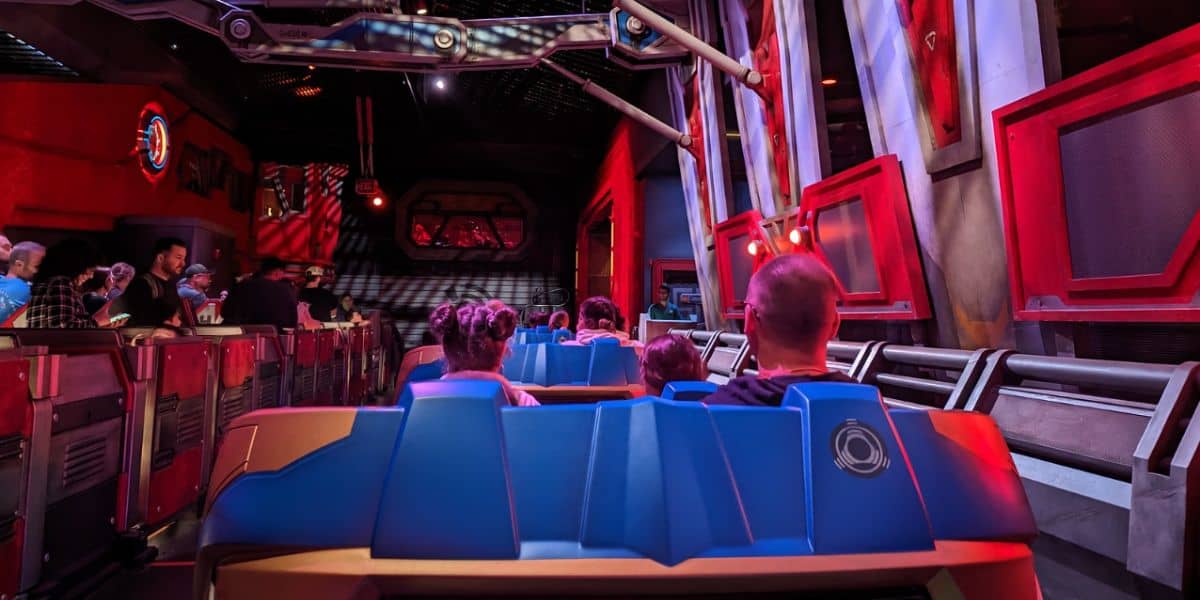
Multiple commenters pointed to queue design issues at Guardians as contributing factors to line cutting problems. The attraction features pre-show rooms where guests gather in open spaces rather than traditional linear queue formations. One commenter observed that guests largely ignore pre-show content because they position themselves near exit doors waiting to rush into subsequent rooms. This design, intended to create immersive storytelling experiences, inadvertently facilitates line cutting by eliminating the clear progression order that traditional switchback queues maintain.
The Enforcement Question
Community discussion consistently returned to questions about why guests feel compelled to enforce queue rules rather than Disney cast members handling violations. Official Disney policy explicitly prohibits line cutting and place-saving, yet guests report that cast member presence in queue lines remains minimal except at merge points and loading areas. This creates extended queue sections where violations can occur without immediate institutional response.
Some commenters speculated that Disney maintains deliberately lenient enforcement because of legitimate scenarios requiring queue flexibility. Parents taking children to restrooms, family members briefly separating in crowded conditions, or guests with accessibility needs may require accommodation that strict anti-cutting enforcement would complicate. Distinguishing between acceptable temporary separations and unacceptable line cutting presents practical challenges that may lead Disney toward permissive policies rather than risk confronting guests in ambiguous situations.
However, this approach proves inadequate during periods with large youth group attendance. Groups of 10, 20, or more teens wearing matching attire pushing through queues to reach companions clearly exceeds any reasonable accommodation for temporary separation. The volume and obviousness of these violations during peak youth group periods suggests Disney could implement enhanced enforcement protocols during predictable high-risk windows without requiring year-round policy changes.
One commenter noted that the adult guest in the Guardians incident initially responded appropriately by refusing passage but “became an idiot” by escalating to physical contact. This observation captures the complexity of these situations. Guests have legitimate grounds to resist obvious line cutting, but must do so without creating worse problems through aggressive responses. The commenter suggested that frustrated guests should direct line cutters to obtain cast member permission rather than attempting personal enforcement, shifting responsibility back to Disney while avoiding direct confrontation.
Queue Design and Operational Factors
The Guardians queue structure contributes to line cutting challenges in ways that traditional queue designs minimize. Attractions featuring open gathering rooms rather than linear progression create ambiguity about queue order and make bypassing other guests physically easier. When guests cluster in rooms waiting to advance rather than forming clear lines, determining who arrived first becomes difficult, and group members can more easily navigate through crowds to reach companions.
This design philosophy prioritizes immersive pre-show storytelling over queue management efficiency. While this approach can enhance attraction experiences when crowds cooperate, it creates vulnerabilities during high-attendance periods when large groups test system limits. Disney could potentially redesign these queue experiences to maintain storytelling elements while incorporating better crowd management that preserves clear progression order.
Institutional Response Options
Other theme parks successfully manage line integrity through regular staff presence in queues, prominent signage about cutting policies and consequences, and swift intervention when violations occur. Disney possesses operational sophistication and resources to implement similar measures but appears reluctant to do so, perhaps due to concerns about guest experience impacts or staffing cost implications.
During predictable large group attendance periods, Disney could implement temporary enhanced enforcement protocols including additional queue staffing, proactive communication with tour groups about expectations, and more aggressive intervention when violations occur. These periodic measures could address high-risk windows without requiring permanent policy shifts that might prove excessive during typical operating conditions.
Clear, frequently posted signage throughout queues reminding guests of line cutting prohibitions and encouraging separated parties to reunite at queue exits rather than cutting through would establish expectations. Cast member messaging at queue entrances about staying with parties and place-saving prohibitions would reinforce standards before guests enter lines.
Balancing Enforcement With Guest Relations
Disney faces legitimate challenges balancing strict queue enforcement with guest relations concerns. Aggressive confrontation of every potential violation risks creating negative experiences that damage the brand's reputation for hospitality and accommodation. However, insufficient enforcement creates different negative experiences for rule-following guests who feel their patience and compliance are exploited while violators face no consequences.
Finding appropriate balance requires distinguishing between minor, ambiguous situations deserving flexibility and obvious, egregious violations requiring intervention. Large groups in matching attire pushing through queues clearly fall into the latter category and justify firm response without risking customer service concerns.
The physical altercation at Guardians demonstrates what happens when institutional enforcement proves insufficient and individual frustration reaches breaking points. While the guest who made physical contact deserved removal, preventing such incidents requires Disney to address the underlying conditions that create these confrontations rather than simply responding after situations escalate.
Share your experiences with line cutting situations at Disney parks and whether cast members provided effective assistance when you sought their help. Understanding what interventions actually work helps contextualize what changes might improve queue management for all guests.