
Disney has confirmed that a new Winnie the Pooh (1977) project is in development, marking a significant step forward for a character whose legal status has recently changed. As the earliest version of Winnie-the-Pooh enters the public domain, Disney’s announcement underscores a deliberate effort to maintain its creative identity around the franchise.
The move comes after increased attention surrounding the character’s public domain availability, which allows unrestricted use of A. A. Milne’s original 1920s depiction. While that shift opened creative doors for others, Disney retains ownership over the version of Pooh it introduced to audiences decades later.
Rather than allowing confusion over ownership to linger, Disney appears focused on clarity through action.
Understanding the Public Domain Shift
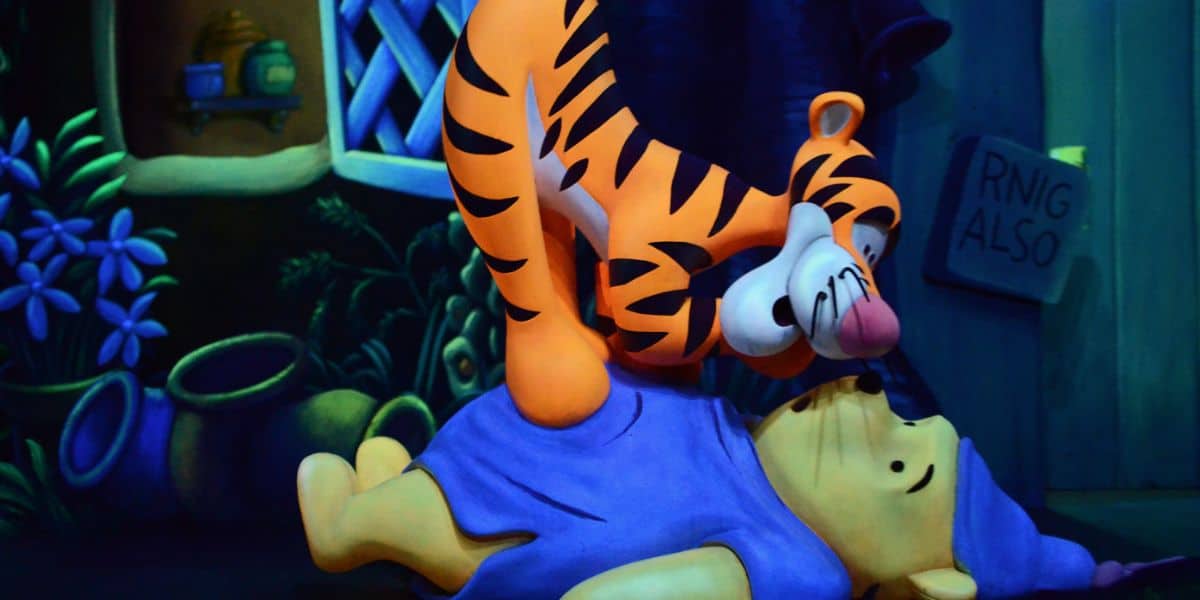
When Winnie-the-Pooh entered the public domain, it applied only to Milne’s earliest literary work—not Disney’s adaptation. Disney’s Pooh, defined by his red shirt, specific personality traits, and musical storytelling, remains protected under copyright.
Still, the distinction can be murky for general audiences. With new interpretations emerging outside the Disney brand, the company faced a choice: stay quiet or reassert its presence. The decision to move forward with a new film answers that question.
A Return to the Hundred Acre Wood
The new project will revisit the Hundred Acre Wood, a setting that has anchored the franchise for nearly half a century. While Disney has not disclosed whether the film will debut in theaters or on Disney+, it is expected to be a full-length feature rather than a short-form or preschool-focused series.
The last animated Pooh film was released in 2011, with subsequent appearances largely confined to television content. This new project represents a renewed commitment to the character as a major storytelling property.
Though Disney has not confirmed the format, early indications suggest the studio intends to preserve the classic tone audiences associate with Pooh—gentle pacing, emotional sincerity, and humor that appeals to both children and adults.

Protecting a Legacy Character
For Disney, the project is about more than releasing another film. It’s about protecting a cultural touchstone. Winnie the Pooh is not just a character; he’s a symbol of Disney’s approach to storytelling. Allowing that symbol to be defined by external adaptations would risk diluting decades of brand identity.
By developing a new official project, Disney reinforces which version of Pooh it stands behind—and invites audiences back into a familiar world shaped by its own creative voice.
What Fans Can Expect Next
At this stage, Disney has not announced a release window or detailed cast information. However, the confirmation alone signals confidence in the franchise’s continued relevance.
As public domain rules evolve, Disney’s response is becoming increasingly clear. Rather than stepping away from legacy characters, the company is choosing to invest in them—ensuring that its interpretations remain the ones audiences know best.
For Winnie the Pooh, that means the story is far from over.