

Spring break travel to Walt Disney World is supposed to be the reward at the end of a long planning process. The flights are booked, the resort is set, the park reservations are locked in. Families who have been counting down the days are finally heading to the airport, bags packed, kids excited, itinerary printed.

This weekend, a significant number of those families are sitting in terminals going nowhere.
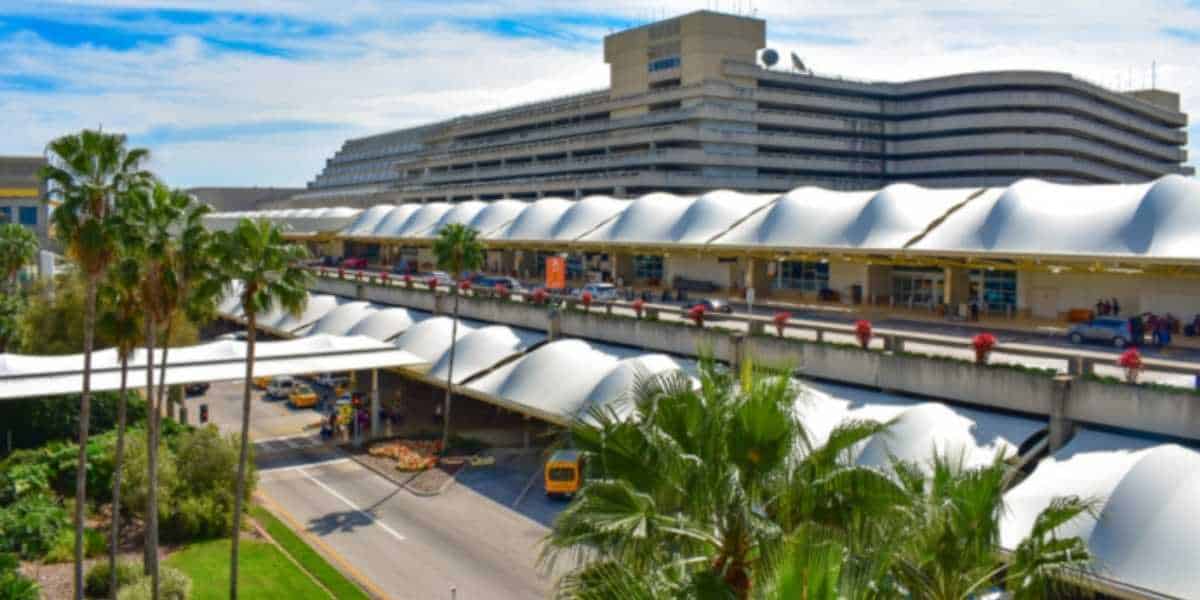
Orlando International Airport recorded 348 delays and 161 cancellations by 9:30 a.m. this morning alone. The day was still early when those numbers were logged, which means the final count will be considerably higher. For one of the busiest travel weekends of the year at one of the most visited airports in the country, the timing could not be worse.
What is driving this is not one problem. It is three problems that have arrived simultaneously, and each one is being made worse by the presence of the other two. Untangling them is worth doing if you have a flight touching Orlando in the next several days, because some of these factors are temporary and some are not.
The Weather, the Shutdown, and the Season
Start with the weather. A large storm system has been working its way across the East Coast over the past several days, bringing snow and ice to airports throughout the Northeast. When flights cannot depart from cities like New York, Boston, or Philadelphia, the disruption does not stay local. The aircraft that were supposed to fly south to Orlando never arrive. The outbound flights at Orlando International that depended on those same planes get delayed or cancelled. Passengers in Florida end up grounded because of a storm that never touched Florida at all. That cascading effect has been accumulating since the weekend and is still being felt today as airlines work to reposition aircraft across a disrupted network.
The second problem is the government shutdown. Congress failed to fund the Department of Homeland Security last month, triggering a shutdown that has now been running long enough to produce serious consequences for TSA staffing. This past weekend marked the first full missed paycheck for TSA agents, and the numbers that have followed are significant. Over 300 TSA officers have quit since the shutdown began. The callout rate has nearly doubled, rising from approximately 2 percent before the shutdown to around 6 percent now. Fewer agents showing up means slower security lines, longer waits, and a system operating below the capacity it needs during one of the busiest travel weeks of the year.
It is worth being clear that air traffic controllers are not part of this shutdown, which is meaningfully different from previous government funding disruptions. The planes that are flying are being managed safely. The bottleneck is getting passengers through security checkpoints before they can board.
CNN has been reporting on conditions for TSA workers in detail, and the situation those workers are in is genuinely hard. Agents who were interviewed described withdrawing thousands of dollars from retirement accounts to cover basic expenses, borrowing money from family, and triaging which bills could be delayed until the shutdown resolves. Federal employees will receive back pay once funding is restored, but back pay in the future does not help with rent that is due this week. Some airports have begun accepting donations of food, household supplies, and gift cards from travelers to support their security staff, which is an unusual and telling sign of how strained things have become.
The third factor is the calendar. This week is peak spring break travel season, and Orlando International is not a regional airport. It is one of the highest-volume airports in the United States, and it is running at spring break capacity on top of everything else. High passenger volume does not cause the delays, but it amplifies every other problem by reducing the margin for error across the entire system.
The Real-World Impact on Disney Trips

For families flying into Orlando to start a Walt Disney World vacation, or flying home at the end of one, the current situation requires more active management than a normal travel day.
The most important thing you can do right now is check the status of your specific aircraft, not just your flight number. FlightAware allows you to track where your plane is coming from and whether it is already delayed at its origin city. If your inbound aircraft is sitting on the ground in a Northeast airport dealing with weather or staffing issues, your Orlando departure time is almost certainly going to shift regardless of what the departure board currently shows. Knowing that before you leave for the airport gives you options. Finding out at the gate does not.
TSA lines at Orlando International are running longer than normal due to the reduced agent count. If your airline recommends arriving two hours before a domestic flight, add at least an hour to that estimate this weekend. Travelers with TSA PreCheck should use those lanes, and Global Entry members who are flying internationally should note that the program has been restored following a brief suspension earlier in the shutdown period.
If you land in Orlando and your return flight later in the trip gets cancelled, contact your airline immediately through their app or phone line rather than waiting in the rebooking queue at the airport. Availability on alternative flights fills quickly during disruption events, and guests who act fast tend to have significantly more options than those who wait.
How Long This Lasts
The weather component of this disruption should improve as the East Coast storm system continues moving through, which will help restore some of the aircraft positioning that has been thrown off over the past several days. That part of the problem is temporary.
The TSA staffing situation is harder to predict. Even after the shutdown ends and funding is restored, the agents who have resigned are not coming back immediately, and the callout rate that has built up over weeks of financial stress does not normalize overnight. The workforce that processes security lines at major airports is smaller than it was before the shutdown began, and rebuilding it takes time. Travelers planning spring break trips in the coming weeks should factor that reality into their airport timing regardless of whether the shutdown has formally ended by then.
We will be tracking developments at Orlando International throughout the day and updating as the situation changes. If you are currently at the airport or just arrived, check back here for the latest.