For countless Disneyland fans, annual passes—rebranded as Magic Keys—represent more than just a way to visit the parks.
They symbolize a gateway to the magic, granting dedicated Disney lovers the chance to experience the parks year-round.
But in a move that has left many guests scrambling for answers, Disneyland has abruptly halted all new Magic Key sales, with the Enchant Magic Key selling out entirely without warning.

A Silent Disney Magic Key Pass Disappearance
The timing couldn’t be more surprising. With Spring Break in full swing and the highly anticipated summer season around the corner, why would Disney suddenly put a stop to its most loyal guests securing annual access? Is there a larger strategy at play?
According to industry insider Scott Gustin, the Enchant Magic Key is now completely unavailable for new purchases, effectively pausing sales of all four Magic Key tiers. While renewals are still being allowed, guests hoping to secure a new pass are out of luck—for now. The news dropped with no prior announcement from Disney, leaving many to speculate about the reasoning behind this unexpected decision.
The Enchant Magic Key is no longer available for new purchases – which means new sales are now paused for all four passes. Renewals continue. – @ScottGustin on X
The Enchant Magic Key is no longer available for new purchases – which means new sales are now paused for all four passes. Renewals continue. pic.twitter.com/lh2nocrU6k
— Scott Gustin (@ScottGustin) April 4, 2025
Could this be a sign of something bigger brewing at Disneyland Resort?

A Strategic Money Move?
One of the leading theories among fans is that Disneyland is preparing to capitalize on its upcoming 70th-anniversary celebration, set to kick off on May 16. Some believe Disney is intentionally shifting focus away from Magic Keys and instead pushing more lucrative multi-day ticket packages for the event, ensuring that day guests and tourists drive revenue instead of frequent annual passholders who may spend less per visit.
If this is the case, the move could pay off—at least financially. Disney’s special event tickets and limited-time offerings often sell out quickly, and by reducing the number of annual passholders who rely on pre-paid access, the company could see a surge in per-ticket earnings.
Another concern among fans is how this shift might impact crowd levels. Without Magic Keys available for new purchases, those who planned to visit using an annual pass will now have to buy standard admission tickets—potentially leading to even more guests packing the parks during peak seasons like summer and fall.

A Battle for Theme Park Dominance?
This could create a double-edged sword: On one hand, Disneyland may be trying to manage the balance of passholders versus day guests, but on the other, it risks making an already crowded experience even more overwhelming for vacationers who have no choice but to visit during peak times.
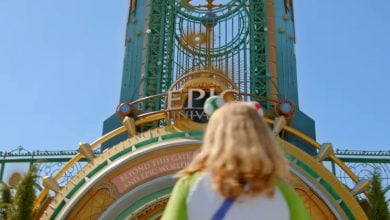
While Disneyland remains a dominant force in the theme park industry, Disney is facing a new competitor in the form of Universal’s upcoming Epic Universe. The massive new theme park, opening May 22 in Orlando, is expected to draw enormous crowds, potentially pulling visitors away from Disney parks. Could Disneyland’s decision to pause Magic Key sales be part of a broader strategy to maintain revenue as Universal ramps up its own offerings?
If Disney is looking to assess how many annual passholders it needs to sustain profit margins while keeping attendance in check, pausing Magic Key sales might be the first step in a larger plan.

What Comes Next for This Disney Park?
For now, new Magic Key purchases remain on hold, with no official word from Disney on when—if ever—sales will resume. Guests who already hold a Magic Key can continue to renew their passes, but those hoping to secure a new one will have to wait and see what Disney’s next move is.
Whether this is a temporary pause or a sign of bigger changes to come, one thing is clear: Disneyland’s 70th anniversary and the impending summer season are shaping up to be full of surprises. The real question is—will Disney fans be the ones benefiting from this change, or is this simply another strategic move to keep the House of Mouse ahead in the ever-growing theme park industry?