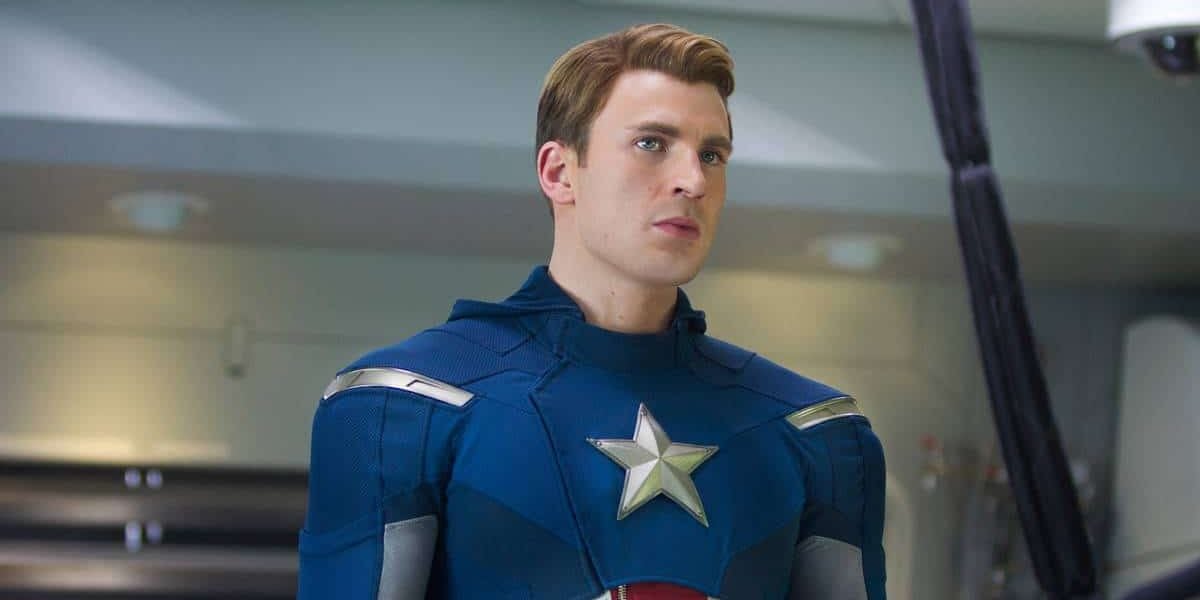
Disney isn’t playing coy anymore. After months of rumor-heavy chatter and vague denials, reports now indicate the studio has settled on bringing Chris Evans back as Captain America for the MCU’s next major chapter. For a franchise recalibrating after Avengers: Endgame (2019), that move feels calculated—and deliberate.
Marvel has already framed this era as a reset, with Avengers: Doomsday (2026) positioned as the turning point. Reintroducing Evans doesn’t just spark excitement. It signals that Steve Rogers still plays a role in shaping what comes next, even after stepping away.
That’s what makes this return so fascinating. Steve’s story already felt complete.

A Quiet Goodbye That Felt Final
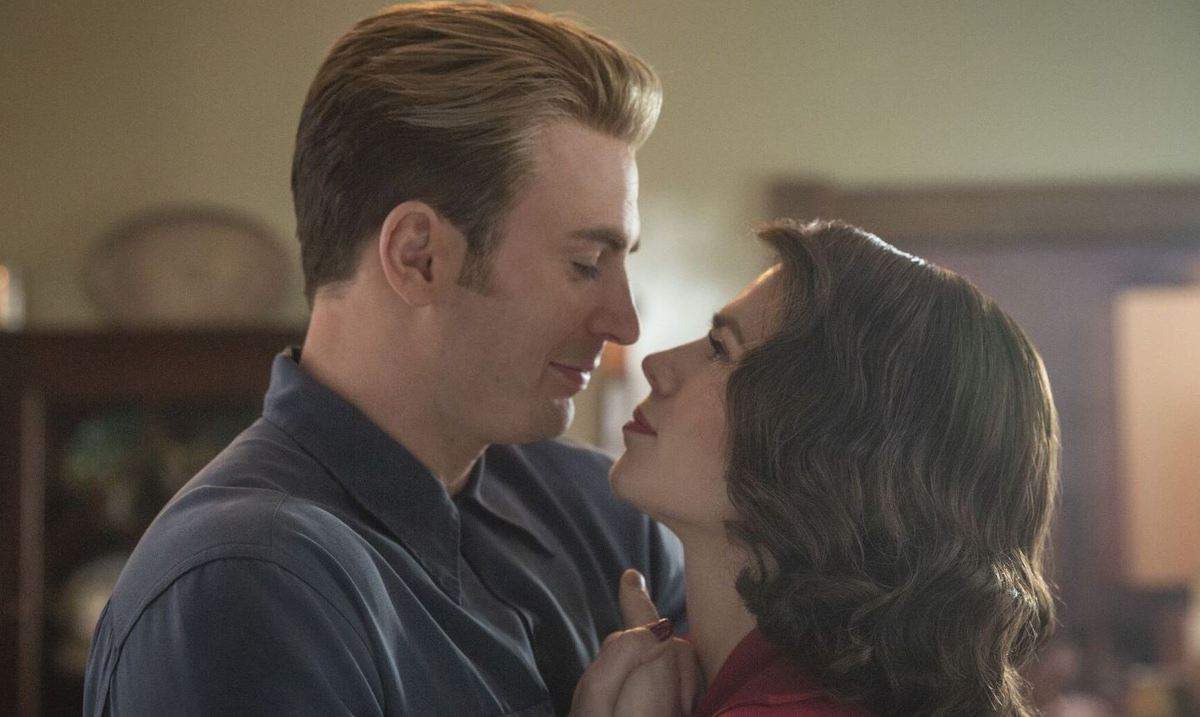
Rather than ending in sacrifice, Steve Rogers’ journey concluded with choice. In Avengers: Endgame, he returned the Infinity Stones and stayed behind, finally allowing himself an everyday life. He reunited with Peggy Carter (Hayley Atwell), danced with her, and aged naturally—something the character had never been allowed to do.
When Steve appeared again as an old man, he handed the shield to Sam Wilson (Anthony Mackie). The message was clear: the mantle would move forward, even if Steve didn’t.
Marvel left that ending untouched for years. And that’s why this shift feels significant.

Why Steve Rogers May Not Be Done
Leaks tied to Avengers: Doomsday suggest Steve’s story didn’t stop with retirement. According to reports, a teaser shows Steve riding a motorcycle through a peaceful neighborhood before stopping at a familiar home.
Instead of spectacle, the scene leans into restraint. Steve removes the Captain America suit and walks inside. The defining image comes next: Steve holding a baby.
The teaser closes with text confirming Steve Rogers’ return in Avengers: Doomsday, followed by a release date of December 2026. It’s a simple sequence—but it carries weight.
The Baby Changes Everything
That one image has driven endless speculation. Is Evans back for a whole arc or a final emotional chapter? Is Steve passing down something greater than a shield? Marvel hasn’t answered, and that ambiguity feels intentional.
The child has become the key mystery, especially with Doctor Doom looming large in the Multiverse narrative.
Sarah Rogers Brings Doom Into Focus
Sarah Rogers remains one of the most compelling possibilities. Introduced in What If…? “Brave New World” from Earth-9811, she’s the daughter of Steve Rogers and Rogue. Her story ties directly to Doom through her fight against Vincent von Doom.
She also wielded Captain America’s shield and Mjolnir, mirroring Steve’s defining battle against Thanos. That connection feels hard to ignore.
Ellie Rogers and Resistance Themes
Ellie Rogers enters from Secret Wars: Hail Hydra #2 as the daughter of Steve Rogers and Sharon Carter. She led a resistance against corrupted Avengers on Battleworld and overcame a Venom symbiote infection through sheer will.
Her story embodies endurance, legacy, and moral clarity—core themes of the MCU.

Other Candidates Remain on the Table
James Rogers from Next Avengers: Heroes of Tomorrow (2008) introduces a darker future shaped by Ultron’s destruction. Nicky Rogers appears unlikely due to minimal narrative depth. Sharon Rogers from Marvel Future Fight mirrors Steve’s legacy most directly, while Steven Rogers Jr. represents a quieter continuation.
What It All Means for Doomsday
Chris Evans' return doesn’t rewrite Steve Rogers’ farewell. It reframes it. Avengers: Doomsday seems ready to explore what legacy truly means when the Multiverse refuses to stay contained.
More teasers will come. But for now, Marvel has made one thing clear: Steve Rogers’ story still matters—and it isn’t finished yet.