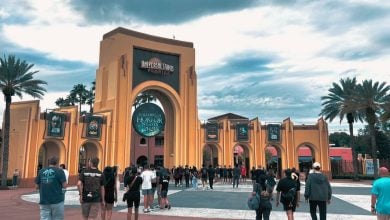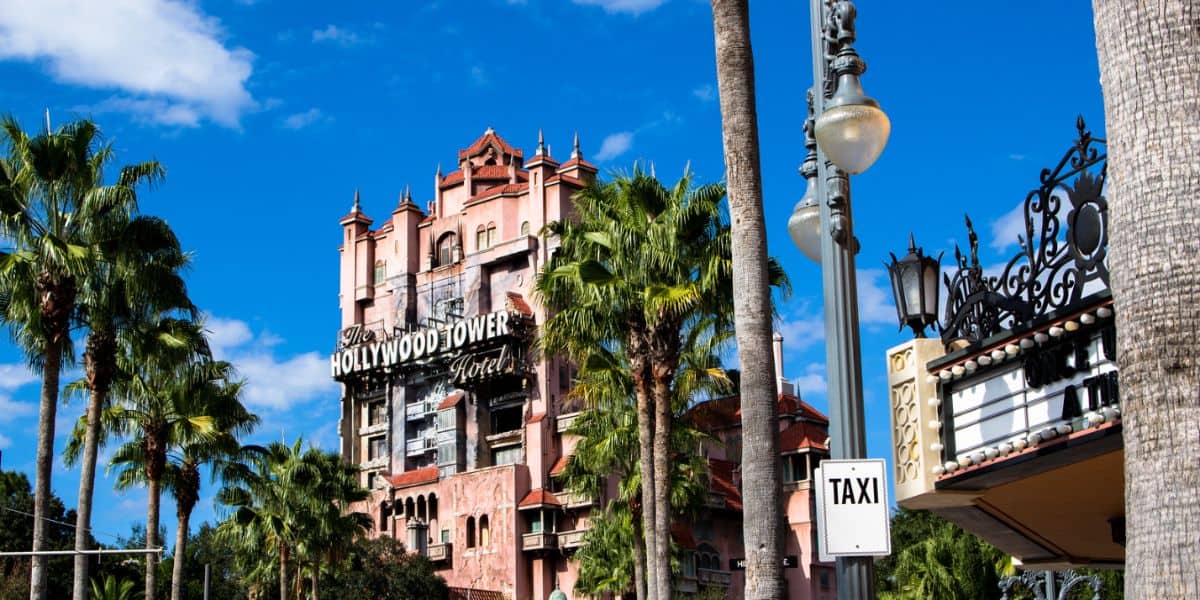
Disney World vacation planning requires navigating numerous variables including park selection, accommodation choices, dining strategies, and attraction priorities.

Among these decisions, visit timing emerges as perhaps the single most impactful factor affecting both vacation cost and overall experience quality. Walt Disney World's implementation of demand-based dynamic pricing creates substantial cost variations throughout the year, with Magic Kingdom single-day admission ranging from approximately $139 during low-demand periods to $209 during peak times.
This $70 per-ticket differential accumulates quickly for families, representing $280 in additional ticket costs alone for a family of four before considering the experiential downsides of visiting during maximum attendance periods including extended attraction wait times, crowded walkways, packed dining venues, and the general challenge of navigating densely populated theme parks in Florida's subtropical climate.
Certain specific weeks throughout 2026 combine maximum ticket pricing with maximum projected attendance, creating conditions that simultaneously maximize costs while minimizing the quality of guest experiences through overcrowding and operational strain.
Understanding Disney's Tiered Pricing Structure

Magic Kingdom maintains the highest admission costs among Disney World's four theme parks, reflecting its position as the resort's flagship destination and most visited attraction. The 2026 pricing structure establishes single-day tickets ranging from $139 during lowest-demand periods to $209 during peak attendance windows. EPCOT, Hollywood Studios, and Animal Kingdom maintain slightly lower pricing tiers while following similar demand-based adjustment patterns.
Disney's dynamic pricing algorithm incorporates projected attendance modeling based on historical data, school district calendars, federal holiday schedules, and seasonal tourism patterns. As anticipated demand increases, corresponding price adjustments occur to manage capacity while optimizing revenue generation. This system inherently creates situations where families' natural preference for visiting during school vacation periods aligns precisely with Disney's highest pricing tiers and most crowded operational conditions.
Presidents' Day Period: February 13-22, 2026
The calendar year's first major pricing peak occurs during Presidents' Day observance, with 2026's extended period running from February 13th through February 22nd. This federal holiday weekend generates school breaks across numerous districts, creating concentrated vacation demand that elevates Magic Kingdom admission to $199 or higher. The convergence of winter weather refugees from northern states and families utilizing the long weekend for getaway opportunities drives both attendance and pricing upward simultaneously.
February typically offers relatively moderate crowd levels outside holiday weekends, making the Presidents' Day spike particularly notable. Visitors considering February visits should examine dates immediately before or after this period to capture more favorable pricing and attendance conditions while maintaining similar weather patterns.
Extended Spring Break Window: Mid-March Through April 2026
Spring break presents unique challenges for Disney World visitors due to the staggered nature of school district scheduling. Rather than creating a single peak week, varying spring break calendars across different regions generate sustained elevated demand from mid-March through the end of April. Magic Kingdom admission during this extended window consistently ranges between $184 and $189, establishing one of the year's longest continuous premium pricing periods.
Pleasant springtime weather conditions in Central Florida combine with widespread school vacation schedules to create optimal circumstances for family travel, resulting in sustained high attendance throughout this multi-week period. Easter Sunday's April 20th placement in 2026 generates particularly intense demand during the surrounding week as families coordinate vacation timing with the holiday observance. This concentrated Easter week demand creates some of spring's most challenging crowd conditions.
Independence Day Peak: July 3-12, 2026
Summer vacation schedules generate elevated attendance throughout June and July, but the Independence Day holiday creates a distinct attendance and pricing surge. The July 3rd through July 12th window encompasses both the federal holiday and surrounding days when families extend vacations to maximize their time away. Magic Kingdom tickets during this period reach $199, while even Animal Kingdom's typically lower pricing rises to $169.
Florida's summer weather patterns add operational challenges beyond crowd management during this peak. High heat indices make outdoor queue waiting particularly uncomfortable, while predictable afternoon thunderstorms can disrupt attraction operations and outdoor entertainment. The combination of premium pricing, maximum crowds, and challenging weather conditions makes early July particularly difficult for comfortable park touring.
Columbus Day Window: October 9-18, 2026
October generally represents one of Disney World's more reasonable visiting periods, but Columbus Day weekend creates a notable exception. With the federal holiday falling on October 13th, the surrounding week from October 9th through 18th sees Magic Kingdom pricing average $194 or higher. Many school districts provide extended weekends or short breaks around Columbus Day, generating concentrated demand during what would otherwise be a moderate attendance period.
This pricing anomaly becomes particularly significant given October's otherwise favorable visiting conditions. Visitors planning autumn trips should carefully avoid this specific window to access substantially better value during the weeks immediately before or after Columbus Day.
Thanksgiving Period: November 20-27, 2026
Thanksgiving week combines holiday theming and decorations with some of 2026's highest admission costs and largest crowds. Magic Kingdom tickets during this period hover around $209, matching Christmas-level pricing. The parks implement extensive autumn and early holiday decorations, creating festive atmospheres that attract visitors specifically seeking holiday experiences beyond standard attractions.
Unlike single-day holidays, Thanksgiving generates extended family travel patterns with many groups spending multiple days at Disney World rather than just the holiday weekend itself. This extended visitation pattern distributes crowds throughout the entire week rather than concentrating them on specific days, maintaining elevated attendance across the full period.
Christmas Week: December 18-25, 2026
Christmas represents Disney World's absolute peak season across all metrics. Ticket prices reach their $209 maximum while attendance climbs to annual highs. The parks feature elaborate holiday decorations, special entertainment programming, and festive atmosphere elements that create unique experiences unavailable during other periods. However, accessing these holiday offerings requires accepting both maximum pricing and extreme crowd density.
Holiday-specific entertainment and Cinderella Castle's extensive Christmas decorations attract visitors beyond those simply utilizing school break schedules for vacation timing. This creates demand layers that exceed what school calendars alone would generate, pushing attendance to capacity levels that strain park operations and guest experiences.
New Year's Eve Period: December 26-31, 2026
The week between Christmas and New Year's maintains the same $209 peak pricing as Christmas week itself. New Year's Eve specifically remains among Disney World's most popular single days annually, with many guests planning trips specifically to celebrate the new year at the parks. Crowd levels during this week frequently match or exceed Christmas week attendance, with December 31st representing arguably the busiest operational day of the entire year.
Special New Year's Eve entertainment programming and enhanced fireworks presentations create additional draw beyond standard holiday vacation patterns, maintaining maximum demand and corresponding pricing throughout the week.
Economic Analysis of Peak Pricing

Disney's pricing methodology follows fundamental supply and demand economic principles. High projected attendance triggers corresponding price increases that simultaneously manage capacity utilization while maximizing revenue capture. Magic Kingdom's premium positioning relative to other Disney World parks creates consistently higher pricing across all demand levels.
Guests visiting during the identified peak weeks pay substantial premiums compared to lower-demand periods. The relevant question becomes whether the necessity or preference for visiting during specific school breaks or holidays justifies accepting $70 per-ticket premiums and significantly degraded guest experiences through crowding and extended wait times.
Alternative Visiting Windows for Value-Conscious Travelers
Schedule flexibility enables access to substantially better value propositions. Late August through early September offers optimal combinations of reduced pricing and manageable attendance levels. Magic Kingdom tickets during this window decrease to approximately $164, representing significant savings relative to peak periods. Crowd levels similarly reach annual lows, dramatically reducing attraction wait times and improving overall touring conditions.
Weather trade-offs during late summer include elevated heat and humidity levels plus increased probability of afternoon thunderstorms. However, many visitors determine these relatively minor inconveniences preferable to paying premium prices while navigating maximum crowd conditions during peak seasons.
Additional reasonable visiting windows include January excluding New Year's week and Martin Luther King Jr. weekend, early February preceding Presidents' Day, late April through early May following Easter but preceding Memorial Day, and most of September plus early November while avoiding Columbus Day week.
Strategic Decision-Making for Visit Timing
Disney World creates memorable experiences across all visiting periods, but specific date selection dramatically influences both financial costs and experiential quality. Peak pricing weeks combine maximum admission expenses with maximum attendance levels, creating circumstances where guests pay premium prices for objectively more challenging park experiences from operational and comfort perspectives.
Visitors constrained by school schedules or work commitments to peak period visits benefit from understanding likely conditions to enable appropriate planning and expectation management. Those with schedule flexibility can access substantially superior value and more comfortable park experiences by avoiding identified peak weeks, enabling greater enjoyment of attractions and entertainment without constant crowd management and extended wait times.
Share your perspective on Disney World visit timing in the comments. Have you experienced the identified peak weeks and found them worthwhile despite premium costs and crowds, or do you prioritize off-peak visiting for better value and touring conditions?
Disney World vacation planning requires navigating numerous variables including park selection, accommodation choices, dining strategies, and attraction priorities. Among these decisions, visit timing emerges as perhaps the single most impactful factor affecting both vacation cost and overall experience quality. Walt Disney World's implementation of demand-based dynamic pricing creates substantial cost variations throughout the year, with Magic Kingdom single-day admission ranging from approximately $139 during low-demand periods to $209 during peak times. This $70 per-ticket differential accumulates quickly for families, representing $280 in additional ticket costs alone for a family of four before considering the experiential downsides of visiting during maximum attendance periods including extended attraction wait times, crowded walkways, packed dining venues, and the general challenge of navigating densely populated theme parks in Florida's subtropical climate. Certain specific weeks throughout 2026 combine maximum ticket pricing with maximum projected attendance, creating conditions that simultaneously maximize costs while minimizing the quality of guest experiences through overcrowding and operational strain.
Understanding Disney's Tiered Pricing Structure
Magic Kingdom maintains the highest admission costs among Disney World's four theme parks, reflecting its position as the resort's flagship destination and most visited attraction. The 2026 pricing structure establishes single-day tickets ranging from $139 during lowest-demand periods to $209 during peak attendance windows. EPCOT, Hollywood Studios, and Animal Kingdom maintain slightly lower pricing tiers while following similar demand-based adjustment patterns.
Disney's dynamic pricing algorithm incorporates projected attendance modeling based on historical data, school district calendars, federal holiday schedules, and seasonal tourism patterns. As anticipated demand increases, corresponding price adjustments occur to manage capacity while optimizing revenue generation. This system inherently creates situations where families' natural preference for visiting during school vacation periods aligns precisely with Disney's highest pricing tiers and most crowded operational conditions.
Presidents' Day Period: February 13-22, 2026
The calendar year's first major pricing peak occurs during Presidents' Day observance, with 2026's extended period running from February 13th through February 22nd. This federal holiday weekend generates school breaks across numerous districts, creating concentrated vacation demand that elevates Magic Kingdom admission to $199 or higher. The convergence of winter weather refugees from northern states and families utilizing the long weekend for getaway opportunities drives both attendance and pricing upward simultaneously.
February typically offers relatively moderate crowd levels outside holiday weekends, making the Presidents' Day spike particularly notable. Visitors considering February visits should examine dates immediately before or after this period to capture more favorable pricing and attendance conditions while maintaining similar weather patterns.
Extended Spring Break Window: Mid-March Through April 2026
Spring break presents unique challenges for Disney World visitors due to the staggered nature of school district scheduling. Rather than creating a single peak week, varying spring break calendars across different regions generate sustained elevated demand from mid-March through the end of April. Magic Kingdom admission during this extended window consistently ranges between $184 and $189, establishing one of the year's longest continuous premium pricing periods.
Pleasant springtime weather conditions in Central Florida combine with widespread school vacation schedules to create optimal circumstances for family travel, resulting in sustained high attendance throughout this multi-week period. Easter Sunday's April 20th placement in 2026 generates particularly intense demand during the surrounding week as families coordinate vacation timing with the holiday observance. This concentrated Easter week demand creates some of spring's most challenging crowd conditions.
Independence Day Peak: July 3-12, 2026
Summer vacation schedules generate elevated attendance throughout June and July, but the Independence Day holiday creates a distinct attendance and pricing surge. The July 3rd through July 12th window encompasses both the federal holiday and surrounding days when families extend vacations to maximize their time away. Magic Kingdom tickets during this period reach $199, while even Animal Kingdom's typically lower pricing rises to $169.
Florida's summer weather patterns add operational challenges beyond crowd management during this peak. High heat indices make outdoor queue waiting particularly uncomfortable, while predictable afternoon thunderstorms can disrupt attraction operations and outdoor entertainment. The combination of premium pricing, maximum crowds, and challenging weather conditions makes early July particularly difficult for comfortable park touring.
Columbus Day Window: October 9-18, 2026
October generally represents one of Disney World's more reasonable visiting periods, but Columbus Day weekend creates a notable exception. With the federal holiday falling on October 13th, the surrounding week from October 9th through 18th sees Magic Kingdom pricing average $194 or higher. Many school districts provide extended weekends or short breaks around Columbus Day, generating concentrated demand during what would otherwise be a moderate attendance period.
This pricing anomaly becomes particularly significant given October's otherwise favorable visiting conditions. Visitors planning autumn trips should carefully avoid this specific window to access substantially better value during the weeks immediately before or after Columbus Day.
Thanksgiving Period: November 20-27, 2026
Thanksgiving week combines holiday theming and decorations with some of 2026's highest admission costs and largest crowds. Magic Kingdom tickets during this period hover around $209, matching Christmas-level pricing. The parks implement extensive autumn and early holiday decorations, creating festive atmospheres that attract visitors specifically seeking holiday experiences beyond standard attractions.
Unlike single-day holidays, Thanksgiving generates extended family travel patterns with many groups spending multiple days at Disney World rather than just the holiday weekend itself. This extended visitation pattern distributes crowds throughout the entire week rather than concentrating them on specific days, maintaining elevated attendance across the full period.
Christmas Week: December 18-25, 2026
Christmas represents Disney World's absolute peak season across all metrics. Ticket prices reach their $209 maximum while attendance climbs to annual highs. The parks feature elaborate holiday decorations, special entertainment programming, and festive atmosphere elements that create unique experiences unavailable during other periods. However, accessing these holiday offerings requires accepting both maximum pricing and extreme crowd density.
Holiday-specific entertainment and Cinderella Castle's extensive Christmas decorations attract visitors beyond those simply utilizing school break schedules for vacation timing. This creates demand layers that exceed what school calendars alone would generate, pushing attendance to capacity levels that strain park operations and guest experiences.
New Year's Eve Period: December 26-31, 2026
The week between Christmas and New Year's maintains the same $209 peak pricing as Christmas week itself. New Year's Eve specifically remains among Disney World's most popular single days annually, with many guests planning trips specifically to celebrate the new year at the parks. Crowd levels during this week frequently match or exceed Christmas week attendance, with December 31st representing arguably the busiest operational day of the entire year.
Special New Year's Eve entertainment programming and enhanced fireworks presentations create additional draw beyond standard holiday vacation patterns, maintaining maximum demand and corresponding pricing throughout the week.
Economic Analysis of Peak Pricing
Disney's pricing methodology follows fundamental supply and demand economic principles. High projected attendance triggers corresponding price increases that simultaneously manage capacity utilization while maximizing revenue capture. Magic Kingdom's premium positioning relative to other Disney World parks creates consistently higher pricing across all demand levels.
Guests visiting during the identified peak weeks pay substantial premiums compared to lower-demand periods. The relevant question becomes whether the necessity or preference for visiting during specific school breaks or holidays justifies accepting $70 per-ticket premiums and significantly degraded guest experiences through crowding and extended wait times.
Alternative Visiting Windows for Value-Conscious Travelers
Schedule flexibility enables access to substantially better value propositions. Late August through early September offers optimal combinations of reduced pricing and manageable attendance levels. Magic Kingdom tickets during this window decrease to approximately $164, representing significant savings relative to peak periods. Crowd levels similarly reach annual lows, dramatically reducing attraction wait times and improving overall touring conditions.
Weather trade-offs during late summer include elevated heat and humidity levels plus increased probability of afternoon thunderstorms. However, many visitors determine these relatively minor inconveniences preferable to paying premium prices while navigating maximum crowd conditions during peak seasons.
Additional reasonable visiting windows include January excluding New Year's week and Martin Luther King Jr. weekend, early February preceding Presidents' Day, late April through early May following Easter but preceding Memorial Day, and most of September plus early November while avoiding Columbus Day week.
Strategic Decision-Making for Visit Timing

Disney World creates memorable experiences across all visiting periods, but specific date selection dramatically influences both financial costs and experiential quality. Peak pricing weeks combine maximum admission expenses with maximum attendance levels, creating circumstances where guests pay premium prices for objectively more challenging park experiences from operational and comfort perspectives.
Visitors constrained by school schedules or work commitments to peak period visits benefit from understanding likely conditions to enable appropriate planning and expectation management. Those with schedule flexibility can access substantially superior value and more comfortable park experiences by avoiding identified peak weeks, enabling greater enjoyment of attractions and entertainment without constant crowd management and extended wait times.
Share your perspective on Disney World visit timing in the comments. Have you experienced the identified peak weeks and found them worthwhile despite premium costs and crowds, or do you prioritize off-peak visiting for better value and touring conditions?