

At first glance, the Star Wars universe looks crowded with activity. New characters arrive, shows keep rolling out, and a theatrical release finally returns to the calendar. Yet that momentum masks a growing unease. A major Star Wars movie reportedly faces an uncertain fate, and its survival may depend on one risky experiment. Fans feel the tension even if nothing has been officially confirmed.
That anxiety matters because Star Wars doesn’t exist in a vacuum. Every shift in direction echoes far beyond the screen.
From Blockbuster Beginnings to an Always-On Franchise
Star Wars didn’t start as a franchise designed for constant output. When Star Wars: Episode IV – A New Hope (1977) premiered, it reshaped cinema overnight. The original trilogy set the standard for blockbusters. The prequels broadened the mythology. The sequel trilogy attempted to blend nostalgia with new ideas, producing mixed reactions.
Under Disney, the galaxy expanded in every direction. Movies stopped being the sole focus. Disney+ series took center stage. Theme park lands appeared. LEGO, animation, publishing, and collectibles filled the gaps. Star Wars became something fans lived with year-round rather than waiting years to see.
That transformation changed expectations—and raised new questions about what belongs in theaters.

Streaming’s Success Creates New Pressure
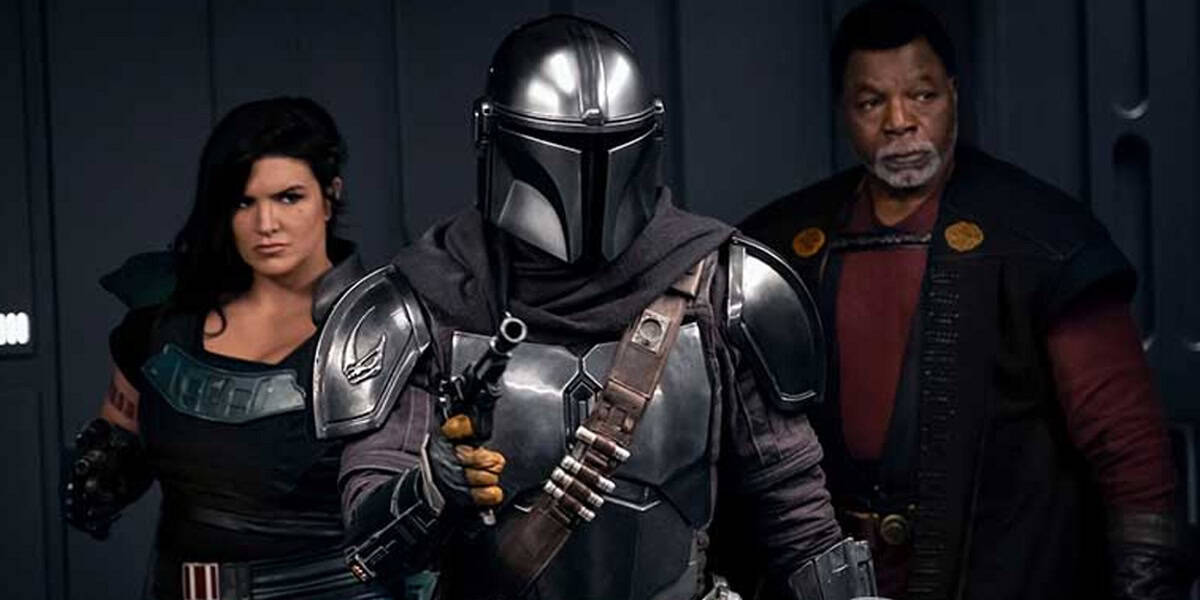
Disney+ quickly became the anchor for modern Star Wars. Shows like The Mandalorian played a significant role in stabilizing fan enthusiasm after divisive film reactions. Audiences connected with the characters and the slower, serialized approach.
But reliance on streaming created a dilemma. Theatrical releases now carry higher stakes. Lucasfilm faces a moment in which a Disney+ success must prove it can translate into box-office demand. If it can’t, the studio may rethink its entire approach to theatrical storytelling.
Why The Mandalorian and Grogu Matters So Much
That test arrives with The Mandalorian and Grogu (2026). Scheduled for a Memorial Day weekend release, the film pushes the franchise’s most recognizable streaming duo into theaters.
After three seasons of The Mandalorian, Din Djarin and Grogu feel familiar. That connection helps sell tickets, but it also invites skepticism. Some viewers may wonder whether the story offers something new or simply extends what they already expect from Disney+.
Lucasfilm understands what’s at stake. Strong performance restores confidence. Weak turnout invites sweeping changes.
A Planned Finale That Could Lose Its Big-Screen Future
Reports suggest those changes could affect the crossover project often nicknamed Heir to the Empire. Designed to unite The Mandalorian, The Book of Boba Fett, and Ahsoka, the project was meant to serve as a theatrical capstone for the New Republic era.
If confidence falters, that plan may shift. Instead of theaters, the story could land as a limited Disney+ series. While practical, the move would feel symbolic. It would signal that Lucasfilm no longer considers the Mando era strong enough to anchor a significant theatrical moment.
Leadership Transitions Complicate the Picture
The timing adds another layer of uncertainty. Dave Filoni now leads Lucasfilm as president and chief creative officer. His creative background emphasizes interconnected storytelling and long arcs.
Meanwhile, reports indicate the crossover film has been deprioritized internally. Combined with leadership changes, that pause fuels speculation that Lucasfilm may be quietly stepping away from the Mando-era.

Other Films Lining Up Behind the Scenes
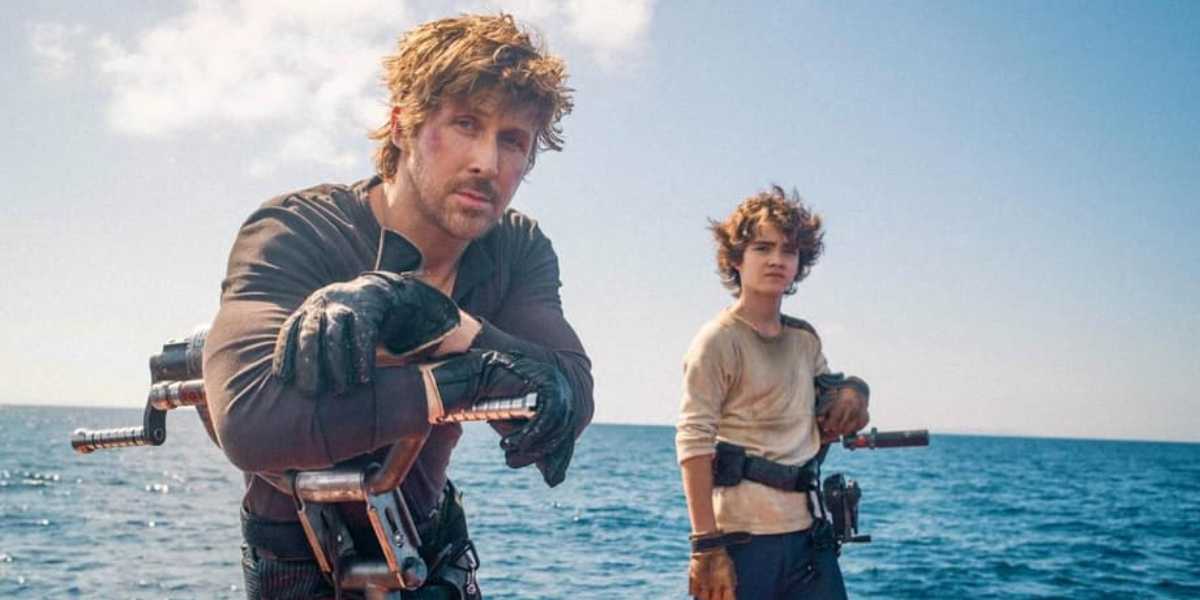
Despite the uncertainty, other projects wait in the wings. Star Wars: Starfighter (2027), set after Star Wars: Episode IX – The Rise of Skywalker (2019), offers a clean slate. There’s also growing belief that Simon Kinberg’s planned trilogy could move forward sooner than expected.
Those paths suggest a future less tied to Disney+ continuity and more focused on standalone theatrical storytelling.
Why the Risk Isn’t Hypothetical
The risks facing The Mandalorian and Grogu feel real. Franchise fatigue continues to surface. Some fans feel overwhelmed by constant releases. Others may hesitate to buy tickets when streaming feels inevitable.
There’s also the challenge of scale. Episodic storytelling doesn’t always translate into a cinematic experience. If the film feels too familiar, audiences may hold back.
A Defining Moment for Star Wars
For decades, Star Wars thrived on certainty. Now, it faces a turning point shaped by streaming habits, leadership shifts, and audience expectations.
If The Mandalorian and Grogu (2026) succeeds, it could protect ambitious crossover plans. If it falters, Lucasfilm may quietly redraw the map. Either way, the future of Star Wars movies may be decided sooner than anyone expected.