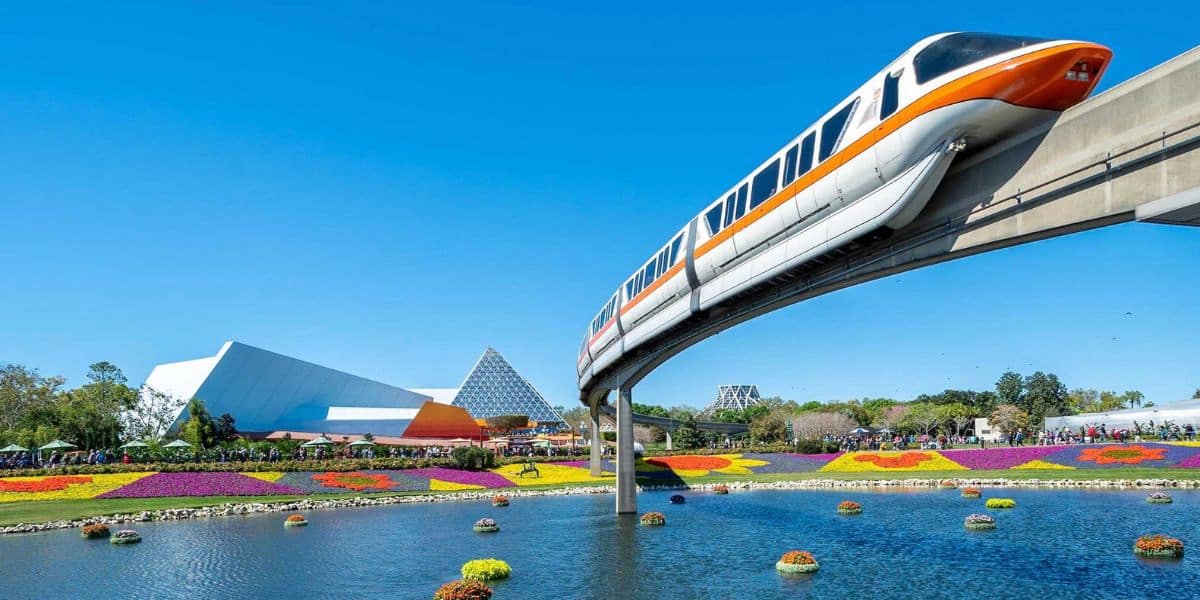
Disney World’s transportation system hasn’t stopped running, but it is operating under heavier-than-usual pressure. Guests are encountering longer lines, slower movement, and less flexibility when traveling between resorts and parks. What typically feels seamless now requires a bit more patience, particularly during early mornings and late evenings.
This isn’t an emergency. It’s a system adjusting to increased demand while operating without one of its major components, and that adjustment is noticeable for guests navigating busy travel windows.
The Role Transportation Plays in Every Disney Trip
Transportation is woven into the fabric of a Disney World vacation. Resort guests depend on it to reach parks, dining locations, and entertainment throughout the day without needing to factor in parking or driving logistics. That convenience is a significant part of the onsite value.
Disney provides buses, boats, monorails, and the Skyliner as part of the resort experience. These options are designed to share the workload, keeping crowds moving efficiently across a massive property that never truly slows down.
That system works best when all options are available and when demand is evenly distributed.

What Changed Behind the Scenes
The shift began with the Disney Skyliner closing on January 25, with a reopening planned for February 1, 2026. While Disney regularly schedules closures, the Skyliner plays a unique role in quickly and continuously moving guests between high-traffic locations.
Serving multiple popular resorts, the Skyliner delivers guests directly to EPCOT and Disney’s Hollywood Studios without traffic delays or road congestion. Its constant movement allows it to absorb a steady flow of guests throughout the day.
When it goes offline, the volume it carries typically doesn’t disappear. Instead, it moves elsewhere.
Why Buses Are Carrying the Extra Load
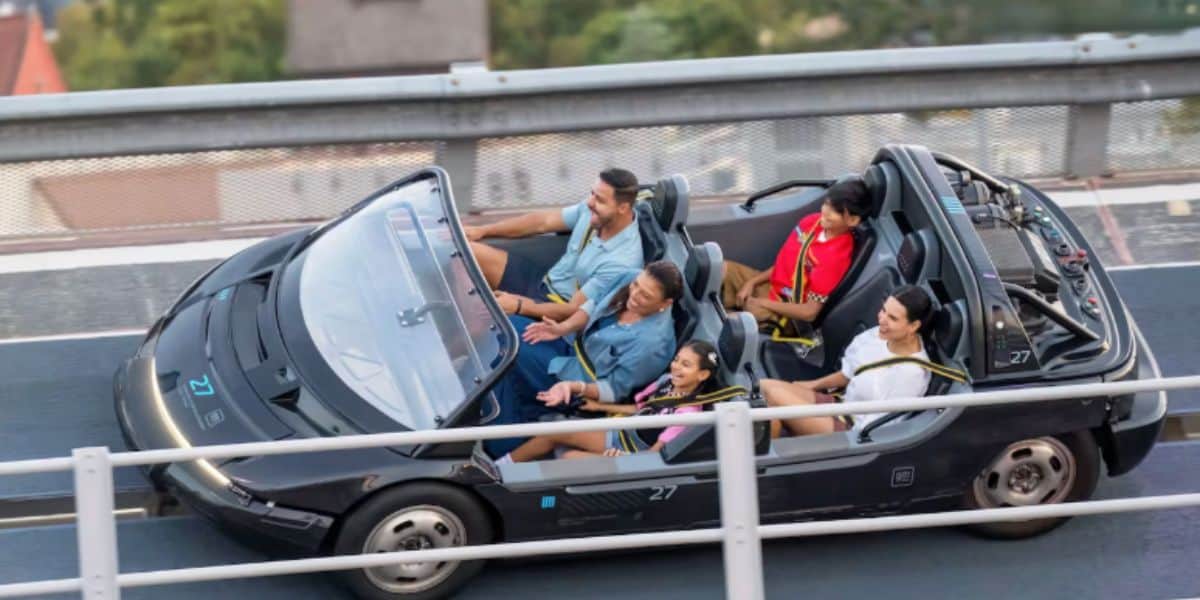
With the Skyliner unavailable, buses have taken on a much larger share of daily transportation demand. Routes that typically see moderate crowds now handle near-constant peak conditions. Lines form earlier in the morning and remain long well into the evening.
Unlike the Skyliner’s continuous flow, buses operate in cycles. They load, travel, unload, and repeat. Traffic and distance affect every trip. Even with additional buses running, matching the Skyliner’s capacity remains difficult.
That mismatch creates delays that ripple across multiple routes.

How the Impact Spreads Across Resorts
Guests at Skyliner resorts feel the change most immediately. Trips take longer. Schedules feel tighter. Returning to a resort midday becomes less convenient, especially for families trying to balance park time with rest.
But the effects don’t stop there. As Disney reallocates buses to cover the gap, other routes feel the strain as well. A system built around balance must stretch to cover the missing capacity.
The result isn’t failure — it’s stress on the system.

Planning Around Ongoing Strain
This situation highlights how closely transportation and crowd levels are connected at Disney World. As attendance remains strong, even temporary closures can create noticeable ripple effects across the entire resort.
Guests traveling during this period benefit from flexibility. Allowing extra travel time and adjusting expectations can help prevent minor delays from becoming bigger frustrations that affect an entire day.
Still Running, Just Working Harder
Despite the pressure, Disney’s transportation network continues to move guests where they need to go. It hasn’t broken down. It’s simply operating with less margin than usual, often under sustained demand.
That distinction matters. A single closure may seem minor, but its impact shows just how interconnected Disney World’s transportation system truly is — and how much guests rely on it every day.