Walt Disney World guests are facing another round of food and beverage price increases across the Central Florida resort, with everyday purchases including popcorn, fountain drinks, coffee, hot cocoa, and chicken strips among the items affected. The changes matter because they reach beyond premium restaurants and specialty experiences: they hit the ordinary snacks and quick-service meals families rely on during a full park day.
The increases were reported October 6, 2026, with menu changes appearing across Walt Disney World. Disney has not publicly explained a specific reason for the adjustments. For families building a vacation budget, however, even relatively small increases can accumulate when multiplied across several guests, meals, snacks, and park days.

Walt Disney World Food Prices Rise on Everyday Park Staples
The clearest example is regular popcorn. A standard box is now listed at $6.99, up $1 from the previously reported $5.99 price. Disney’s official online menu for Neighborhood Bakery at Disney’s Hollywood Studios lists a popcorn box at $6.99, while a souvenir bucket remains $14.29 and a refill is $2.49.
That distinction matters. The new pricing does not mean every food item rose by the same amount, or even that every item increased. The October 6 report found changes generally ranging from 10 cents to $1, while some familiar snacks remained unchanged.
The increases also arrive after other Disney dining adjustments this year. Inside the Magic previously reported higher children's pricing at California Grill and an $80 increase at Victoria & Albert's. Those are premium experiences; this latest change reaches much more routine park-day purchases.
Chicken Strips and Drinks Make the Family Math Harder
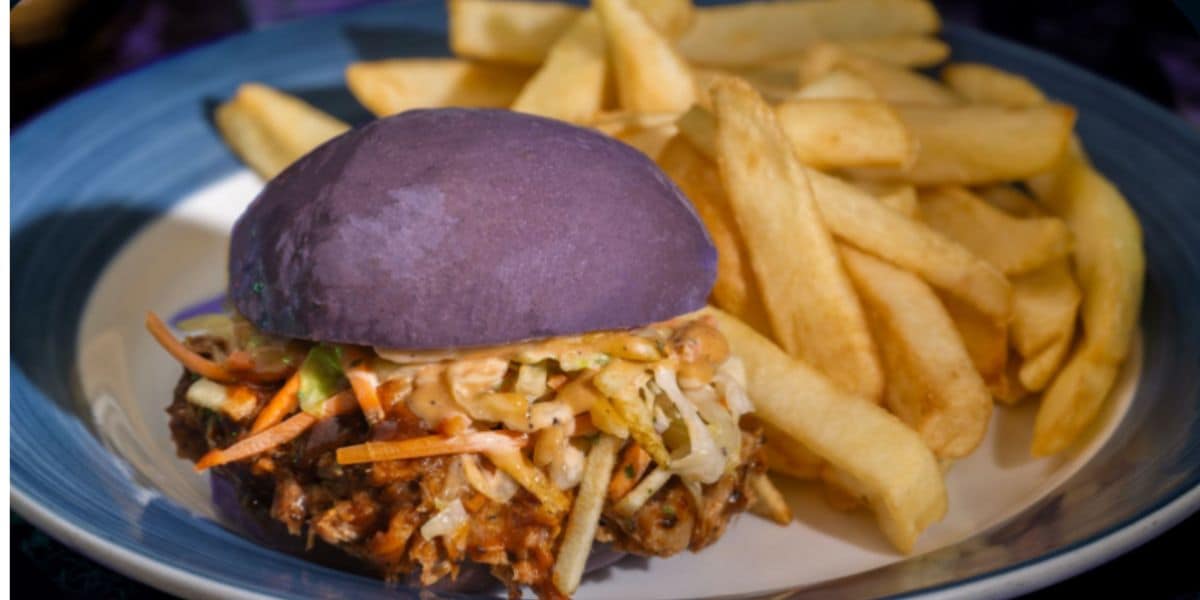
Chicken strips show how quickly a basic meal can become more expensive. According to the October 6 pricing report, a two-piece serving increased from $8.99 to $9.49, while four-piece chicken strips rose from $10.99 to $11.99. Disney’s earlier online menu for Cosmic Ray’s Starlight Café listed four chicken strips with fries at $10.99, providing a documented baseline for the previous price.
For a family buying several quick-service meals, a dollar here and another dollar there can materially change the day’s food budget. That pressure is especially noticeable when the affected items are familiar, kid-friendly choices rather than optional tasting menus or limited-time festival dishes.
Beverages are changing, too. Reported prices for assorted fountain drinks, regular and decaf Joffrey’s coffee, and hot cocoa moved from $4.79 to $4.99. Large hot cocoa and large Twinings hot tea reportedly increased from $5.19 to $5.29.
Not everything moved. Bottled soda and vitaminwater reportedly remain $5.50, while Mickey pretzels remain $8.49 and certain bars and sandwiches remain $6.49. That makes this a broad menu adjustment, not a universal percentage increase.

The Bigger Problem Is the Cost of an Ordinary Disney Day
For guests, the significance is less about one 20-cent beverage increase than the cumulative effect of buying food inside a destination where families may spend many hours away from their hotel. Popcorn, drinks, and chicken strips are not luxury add-ons in the same sense as signature dining; they are common park-day purchases.
That is why the latest increases may feel different from previous changes at high-end restaurants. Earlier in 2026, Inside the Magic covered higher prices for the Hollywood & Vine Fantasmic! Dining Package, while Victoria & Albert’s moved deeper into luxury territory. Those experiences can be skipped more easily than lunch, hydration, or a snack during a long day.
The timing also follows broader attention on Walt Disney World pricing. Inside the Magic recently examined Disney World's recurring fall price-adjustment pattern, including food, tickets, Lightning Lane products, tours, and other vacation expenses. Each category is separate, but together they shape the total amount a family must budget before arriving in Central Florida.

Disney Dining Plans Can Change How Guests Feel the Increase
Some guests will encounter these menu prices directly, while others may use prepaid dining credits. According to Disney's official Dining Plans information, its 2026 plans provide meals and snacks based on the number of nights in a resort package. Eligible snacks can include a single-serving popcorn box, a 20-ounce fountain drink, or a 20-ounce bottle of Coca-Cola products, including Dasani water.
That structure can insulate guests from thinking about the cash price of every eligible item at the register, although the dining plan itself is an additional vacation-package expense and participation rules apply. Disney also says eligible 2026 packages can include a free dining plan for children ages 3 to 9 when the required adult dining plans and resort-package conditions are met.
Discounts can soften certain dining costs for eligible guests as well. Inside the Magic previously reported 2026 Disney World dining discounts for Annual Passholders, illustrating how Disney simultaneously uses targeted savings while maintaining higher published prices elsewhere across the resort.

What Disney World Guests Should Watch Next
Guests planning upcoming trips should check Disney's official Walt Disney World dining listings and the My Disney Experience app close to their visit because menu items and prices can change. Disney’s dining pages remain the strongest source for what a specific restaurant is charging when a guest intends to order.
The immediate takeaway is narrower but important: Walt Disney World’s latest reported increases have reached some of the most ordinary food-and-drink purchases in the parks and resorts. A $1 popcorn increase or a 50-cent chicken-strip increase may look modest alone. Across a family vacation, repeated purchases can turn those small adjustments into another meaningful line item.
Disney has not announced how long the current prices will remain in place or whether additional food-and-beverage categories will change. For families traveling later in 2026 or into 2027, the practical move is to treat dining as a variable cost and verify current menus before locking in a daily food budget.