

There’s something almost sacred about stepping into a Disney Park for the first time. Whether you’re walking down Main Street, U.S.A., or racing toward your Lightning Lane return time, there’s an expectation that the magic will move you—literally and emotionally.
For decades, The Walt Disney Company has set the gold standard for immersive attractions. From groundbreaking Audio-Animatronics to trackless ride systems that seem to defy physics, Disney Imagineers have consistently found ways to blur the line between fantasy and engineering.
And when Disney files a new patent, fans take notice.
Because in Disney’s world, patents aren’t just paperwork—they’re breadcrumbs.

A Pattern of Innovation Is Fueling Fan Speculation
Back in September 2025, Disney filed a patent aimed at upgrading animatronics, hinting at more lifelike and dynamic figures in future attractions. While we haven’t seen that specific patent fully implemented yet, we have seen noticeable upgrades across the parks—most recently with enhancements to the beloved Frozen Ever After at EPCOT.
That attraction’s updated figures sparked online buzz, proving once again that Disney is actively refining its ride technology behind the scenes.
So when another patent quietly surfaced, fans and theme park watchers immediately began dissecting every word.
Because this one? It’s a lot more than an animatronic tweak.
This New Filing Hints at Something Far Bigger Than an Upgrade
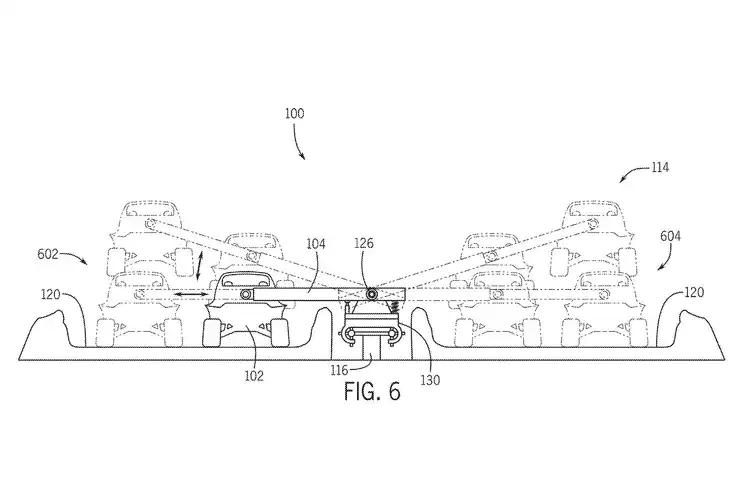
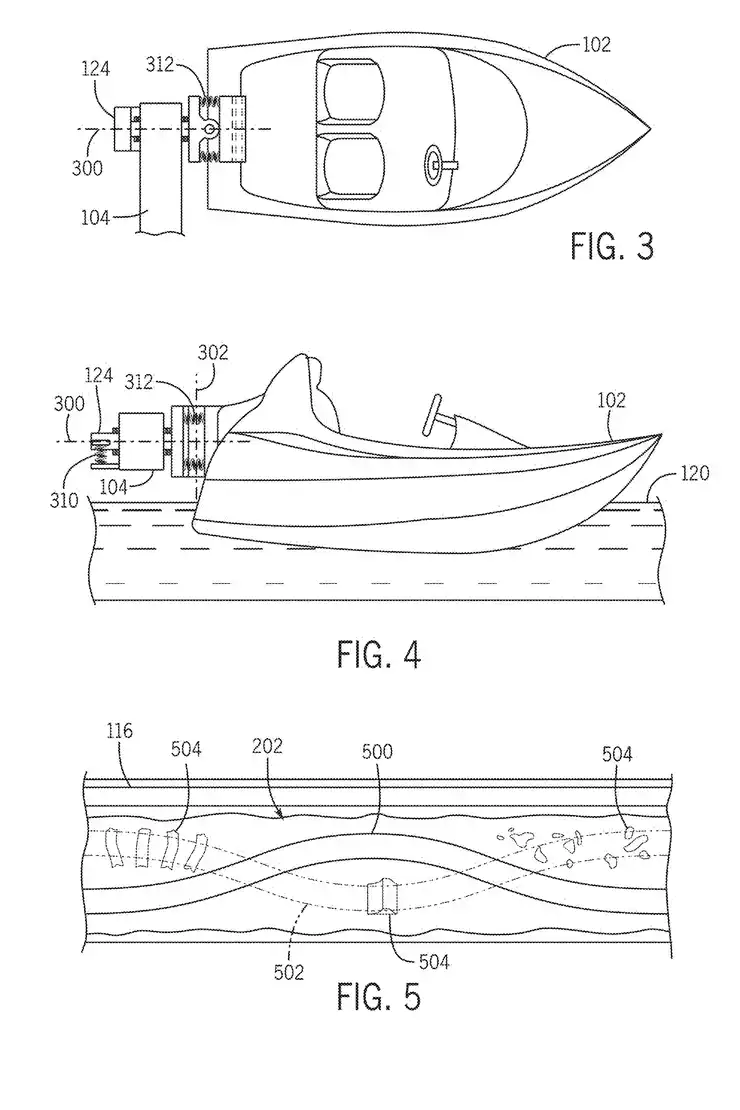
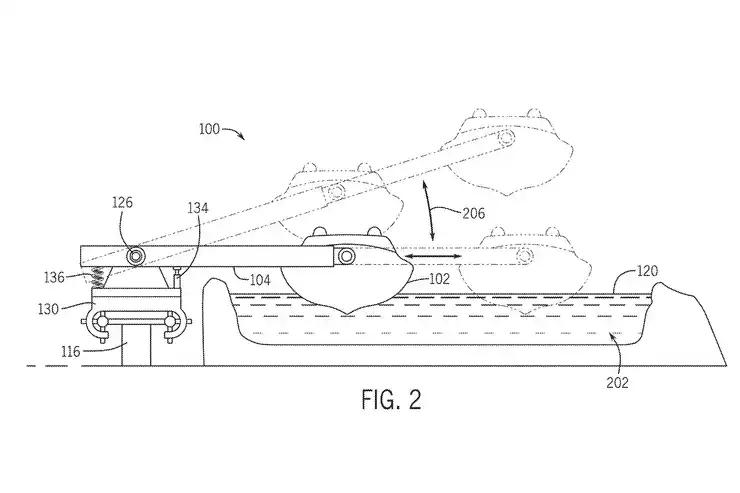
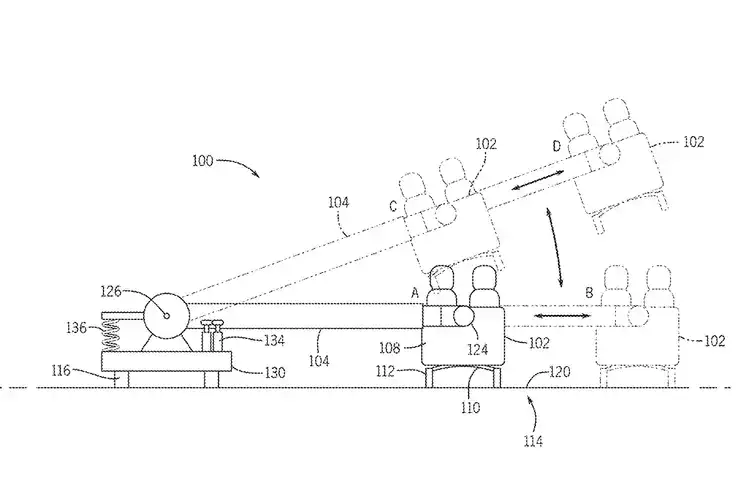
At its core, the newly filed patent outlines a ride system built around a boom arm attached to a vehicle chassis. As the vehicle moves along a track, the boom arm can dynamically adjust its position—raising it, lowering it, shifting it side to side, and even pivoting it mid-experience.
That might sound technical on paper. In practice? It opens the door to something potentially game-changing.
According to the filing, this system could simulate:
-
Vehicles “jumping” off the track
-
Acceleration boosts
-
Side-to-side swerving to avoid obstacles
-
Height adjustments to mimic ramps or hills
-
Dynamic pivots between multiple ride paths
Even more intriguing, the patent describes the possibility of multiple tracks—third and fourth ride paths included. Guests could theoretically pivot from one track to another during the attraction, or the ride system could redirect vehicles at certain moments, creating a more varied experience.
In other words, not every ride would be the same.
Fans are already calling it “next-level immersion.”
What This Could Mean for Piston Peak
While Disney has not confirmed any specific use for this system, speculation is already swirling around ongoing park expansions—particularly the upcoming Piston Peak area inspired by Cars.
More specifically, the Rally Race attraction planned for that expansion seems like a natural fit.
Why? Because the patent doesn’t just describe movement—it hints at guest interaction. The filing outlines ways riders could potentially maneuver or influence the vehicle’s position using the boom arm system. In a high-energy racing attraction, that kind of controlled swerving, pivoting, and track-switching could simulate off-road terrain or competitive racing dynamics in a way no current Disney ride does.
To be clear: there has been no official confirmation linking this patent to Piston Peak or the Rally Race attraction. The application has not yet been granted. And historically, Disney has filed patents that never materialize in the parks.
But if implemented, this technology could mark a dramatic evolution in how Disney designs ride systems.
And fans are paying attention.
Social Media Is Already Buzzing With Theories
On X (formerly Twitter) and Reddit, speculation threads have exploded with excitement. Some fans believe this could rival Universal’s most advanced ride systems. Others are imagining a future where attractions feel more like interactive video games—where riders influence the outcome of their own adventure.
“Every ride could be different,” one user wrote. “That’s insane.”
Another called it “the end of static ride systems as we know them.”
Of course, not everyone is convinced. A few longtime Disney watchers pointed out that patents don’t always equal construction. “I’ll believe it when I see steel in the ground,” one commenter joked.
Still, the excitement feels real. And in a time when theme park competition is heating up, technological innovation matters.
What This Means for Future Disney World and Disneyland Guests
If this system moves beyond application status and into real-world development, it could signal a new era for Disney Parks.
Dynamic vehicle movement combined with track-switching capabilities would allow for:
-
Higher replay value
-
More unpredictable ride experiences
-
Greater immersion during chase or action sequences
-
Potentially interactive guest-controlled moments
That’s a big deal for The Walt Disney Company, especially as expansions continue across Walt Disney World and other global parks.
At the same time, it’s important to temper expectations. This patent is currently an application. It has not been granted. And Disney frequently files patents that never leave the conceptual stage.
Still, any day Disney files something this ambitious, fans get excited—for good reason.
Because sometimes, today’s paperwork becomes tomorrow’s headline attraction.
What do you think? Would you want to control your own ride path inside a Disney attraction—or do you prefer the classic, fully choreographed experience? Let us know in the comments below.
Source: WDWMagic


