In a bold and unexpected move, Disneyland Hotel Paris — the newly refurbished five-star hotel at Disneyland Paris — has announced that only overnight guests, or those holding specific bookings, will now be allowed entry during this holiday season. If you’re not staying there or reserving a qualifying dining experience, the doors are now closed, and fans have something to say about it.

Turning a Hotel into a Private Club
Disney resort hotels around the world are often as much of a destination as the parks themselves. From the graceful elegance of the Disney’s Grand Floridian Resort & Spa in Florida to the luxurious Tokyo DisneySea Hotel MiraCostain Japan, these properties invite guests and non‐guests alike to dine, shop, and soak in the ambiance. At Disneyland Paris though, the strategy seems to have shifted.
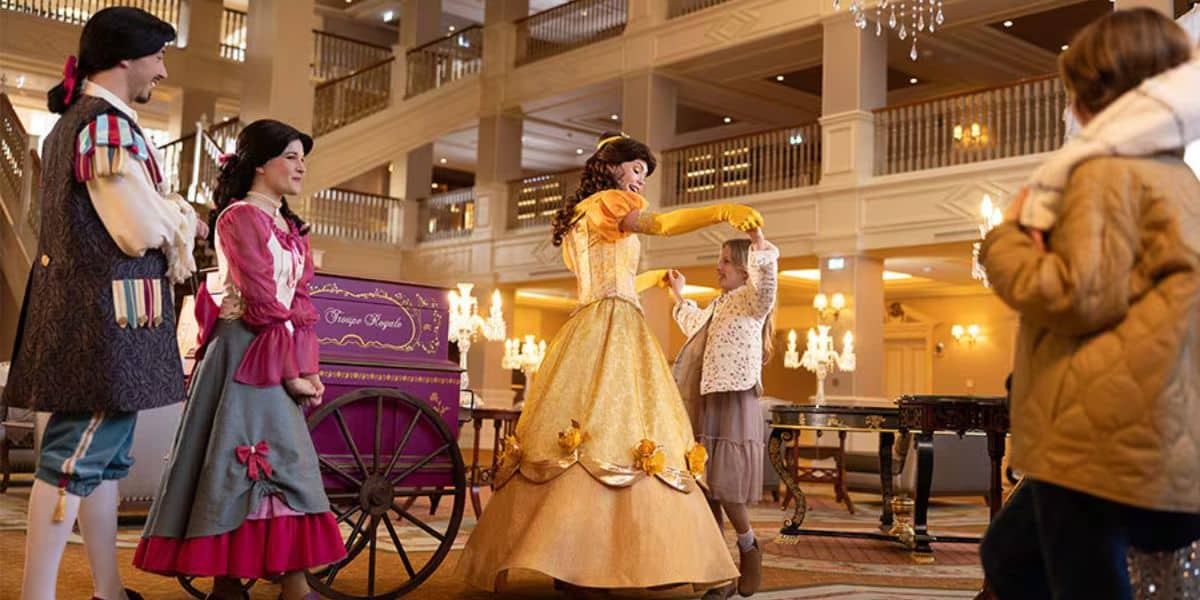
The recently reopened Disneyland Hotel — reborn after a multi-year transformation and positioned as a royal, princess-themed destination — boasts ultra-premium pricing (with some rooms exceeding €1,000 per night) and fine-dining venues that demand high tickets. The bar, the lobby, the stately architecture: everything is designed to exude luxury. As such, the hotel experience has come to include more than a room; it’s about exclusivity.
The New Access Rule
According to posts from regular visitors and theme-park-watchers, the new rule is clear: unless you are staying overnight, hold a restaurant reservation at one of the hotel’s signature venues, or have booked a specific experience such as My Royal Dream, you will not be allowed entry into the hotel for casual visits, shopping, or lobby-wandering.
This represents a sharp change from prior policy. Previously, the lobby and boutique of the hotel were freely accessible to any resort guest (i.e., any park ticket-holder) who wished to whiz in for a photo or a drink. In earlier months, the hotel even experimented with a virtual-queue system (via the Lineberty app) to manage non-resident foot traffic; now, non-residents are largely shut out.
Disney has not issued a formal press release about how long the restriction will last, only citing “comfort and security” concerns for paying hotel guests as probable motivations.
Guest Reactions: Divided and Vocal
Reaction among fans has been varied — some applaud the change, others lament the loss of access, and many fall somewhere in between. Reddit threads on the subject reveal a range of perspectives.
One user wrote:
“I’ll be downvoted for this but If I’m spending that much cash on the experience of a ‘luxury’ hotel, then a hotel that is swarming with non-guests ruins that experience — paying a premium for the benefits that even people who aren’t even staying at the park can get. It’s a hotel, not an attraction.”
Another shared:
“The lobby should be accessible as well as the shop any bar in my opinion. It wasn’t crowded at all when we went and headed to the concierge for a question. But then again I can see especially around the Christmas holidays it being crowded.”
And yet another observed:
“We were there in September and we had a very rainy day. One of our days and it looked like people were coming in for shelter rather than looking around or going to the gift shop. It was just really busy and not very much space for guests of the hotel to sit and enjoy the surroundings. Also when we were trying to get our daughter a picture with the princesses people were jumping in and not waiting their turn, some of which weren’t staying at the hotel. Things like this piss me off when we’ve spent so much to stay at the hotel but can’t enjoy it.”
Meanwhile, others flagged concerns about the change being too restrictive:
“Bit gutted as I loved going there for a glass of champagne and a chill on busy park days.”
“I wonder if this is something to do with the gangs that hang out trying to buy tickets, possibly now going into the hotel trying to steal from people.”
Another thread noted:
“So with the recent changes to Disneyland Hotel being now exclusively for guests or people who have restaurant bookings, I wonder how many people will book the restaurants and become no-shows just to get access since there isn’t a penalty for booking the restaurant and cancelling the same day. Wonder if Disney has thought about this because it could cost them a fortune in lost revenue?”
The Business Case — And the Trade-Off
From a business perspective, the logic is straightforward: when you charge premium rates, you need to protect the premium experience. If the hotel lobby becomes little more than a thoroughfare for masses of park guests, the ambience, exclusivity and perceived value for the paying guest can be eroded. Consider the lobby meet-and-greets with princesses, premium bars, and haute boutique shopping — all part of the luxury offering. If non-paying visitors are crowding in, queueing for photo-ops, grabbing seats, rattling through shops, it can diminish the brand promise.
On the flip side, limiting access also cuts off impulse spend from non-guests who might drop by to browse the shop, enjoy a drink or purchase high-end items. Some fans argue that the bar and lattice of spaces should remain accessible because they add to the resort’s lure, and the spill-over foot traffic is beneficial.
It’s a balancing act: exclusivity versus marketing reach; paying guests versus free-riders. In effect, Disneyland Paris appears to have made a choice. The holiday season, with its heightened volumes, may be the trigger for this shift — or perhaps the tipping point that will become the long-term model.
Implications for Visitors

For park-goers planning a visit this holiday season, the new policy at the Disneyland Hotel means a few important considerations:
-
If you were hoping to pop in for a quick bar drink, boutique browse or lobby photo op without a hotel stay or dining reservation, you may be turned away.
-
If you’ve booked a table at one of the hotel’s restaurants or an experience like My Royal Dream, you still retain access — but your reservation becomes a de facto entry pass.
-
For overnight guests at the hotel, the benefit is clearer: fewer non-guests jostling in the lobby, more space for rest, relaxation and premium experience.
-
Regular resort guests staying off-site should consider alternatives for leisurely breaks if they previously relied on the hotel lobby as a quieter respite from the park hustle.
What This Reveals About Theme-Park Resort Strategies
Disney’s choice underscores a broader trend in the theme-park resort industry: hotels are no longer simply places to sleep; they are part of the immersive branded experience, and the experience is increasingly being gated. When visitors visit for “just to look around,” they still consume resources — lobby seating, staffing, cleaning, ambient entertainment, character meet-and-greets — but don’t contribute in the same way to revenue as overnight guests.
In such environments, the line between hotel guest, day guest, and “wander-in ambient visitor” is blurring. The decision at Disneyland Paris signals that for some properties, access will be reserved for paying customers and selected visitors only.
The Disneyland Hotel at Disneyland Paris has shifted its paradigm: what was once a public-facing showcase of luxury accessible to all resort guests has now become a more tightly controlled experience reserved for guests and certain bookings. For those who love to wander hotel lobbies and soak in design, this will feel like a loss. For those paying the high cost of admission, the change may improve exclusivity and satisfaction.
Ultimately, Disney has prioritized the guest experience of its paying hotel patrons over the broader “walk-in” public access model. Whether this change will remain permanent remains to be seen, but for now, the lobby stroll just became a little more exclusive.