One of Indiana Jones Adventure's most memorable sequences has returned to full operation after remaining dormant for several years.

The collapsing bridge effect, where guests experience the sensation of a rope bridge giving way beneath their ride vehicle, is once again functioning as originally designed at Disneyland's Temple of the Forbidden Eye attraction. Confirmed operational on January 26th, the restored effect represents a significant improvement to the overall ride experience for an attraction that has struggled with maintaining its complex array of practical effects since opening in 1995. The bridge sequence exemplifies the sophisticated combination of mechanical systems and psychological manipulation that defined
Imagineering during this era, using vehicle hydraulics and physical set elements to create convincing illusions that digital effects cannot replicate with the same visceral impact.
Technical Implementation of the Bridge Sequence
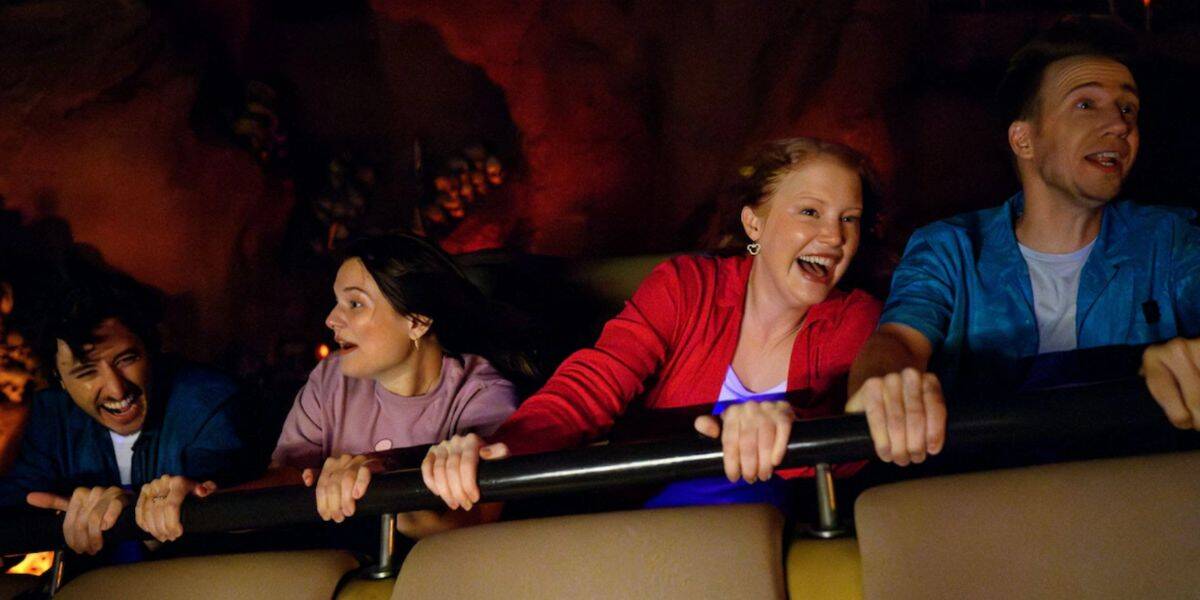
The collapsing bridge effect achieves its impact through coordinated mechanical elements rather than actual structural movement. The bridge set piece itself remains stationary throughout the sequence, with the illusion of collapse created through two primary mechanisms working in synchronization.
The ride vehicle's hydraulic system generates bouncing and shifting movements that simulate what passengers would experience on an unstable surface. These hydraulically controlled movements can produce both subtle variations and more dramatic drops, carefully choreographed to align with visual cues guests observe during the sequence. The hydraulics create the physical sensation of instability that convinces passengers something is happening to the structure beneath them.
Simultaneously, rope elements mounted on both sides of the bridge physically drop during the sequence. These ropes serve as visual reinforcement of the bridge concept, and their sudden descent while passengers feel movement beneath them triggers the psychological response that makes the effect convincing. The human brain integrates these multiple sensory inputs and interprets them as evidence of actual structural failure, creating that moment of genuine concern that makes the sequence effective.
During the years when the effect was non-functional, the rope mechanism failed to activate. Ride vehicles would still pause on the bridge and hydraulics might create some movement, but without the visual confirmation of the ropes dropping, the effect lost most of its psychological impact. Experienced guests immediately noticed the absence while first-time riders encountered a diminished version of the attraction that failed to deliver the dramatic moment Imagineers originally conceived.
Ongoing Maintenance Requirements
Indiana Jones Adventure maintains a well-earned reputation as one of Disneyland's most maintenance-intensive attractions. The ride undergoes refurbishment closures with notable frequency, ranging from brief multi-day periods to extended stretches lasting several months. These regular closures reflect the complexity of maintaining the attraction's numerous practical effects, sophisticated animatronics, and mechanical systems that must operate in precise coordination.
The attraction opened in 1995 showcasing groundbreaking theme park technology including elaborate practical effects, advanced animatronics, and an Enhanced Motion Vehicle system that represented a significant advancement over previous ride vehicle designs. Nearly three decades of continuous operation have stressed these systems beyond their original design specifications, requiring constant maintenance attention and periodic replacement of components that have exceeded their intended operational lifespan.
Not all broken effects receive restoration. Over the years, certain practical effects have been permanently retired and replaced with projection-based alternatives that require less intensive maintenance. While projections can effectively communicate story elements, they lack the physical presence and tactile impact of the practical effects they replace. This gradual transition from heavily practical design toward increased reliance on projections represents a source of concern among fans who appreciate the original attraction's emphasis on physical effects.
A comprehensive 2023 refurbishment addressed multiple dormant effects and introduced new scene elements, demonstrating Disney's continued willingness to invest in the attraction despite its maintenance challenges. The 2026 restoration of the bridge effect suggests recognition that certain signature practical moments define what makes Indiana Jones Adventure distinctive and warrant the additional resources required to maintain them properly.
Disneyland's Original Temple of the Forbidden Eye
Indiana Jones Adventure: Temple of the Forbidden Eye debuted at Disneyland Park in 1995, immediately establishing itself among the park's premier attractions. The ride concept places guests on an archaeological expedition that encounters supernatural dangers while exploring an ancient temple dedicated to the deity Mara. The attraction successfully captures the adventurous spirit of the Indiana Jones film franchise, incorporating elements of danger, humor, and the sense of exploring forbidden territory.
The attraction's queue set new standards for themed entertainment design that influenced subsequent theme park development. Guests navigate elaborately detailed temple passages featuring ancient artifacts, warning inscriptions, and environmental storytelling that builds anticipation before the ride experience begins. The comprehensive attention to detail throughout both queue and ride creates immersive experiences that remain impressive decades after opening.
The storyline involves guests choosing among three paths representing different supernatural gifts from Mara before discovering they should have heeded warnings against looking into Mara's eyes. The resulting experience involves escaping the collapsing temple while encountering various traps and dangers, with the bridge sequence representing a particularly memorable moment in that escape attempt.
Tokyo DisneySea's Alternative Version
Tokyo DisneySea opened in 2001 featuring its own Indiana Jones Adventure installation subtitled Temple of the Crystal Skull. This version utilizes nearly identical ride vehicles and track configuration as the Disneyland original but presents a different narrative set in Mexico rather than India. The alternate version explores crystal skull mythology rather than the eye of Mara, though the fundamental structure of an archaeological expedition encountering supernatural threats remains consistent across both installations.
The Tokyo version's existence demonstrates both the original Disneyland attraction's success and Disney's approach to adapting popular concepts for different international markets with appropriate cultural modifications. Tokyo DisneySea's reputation for exceptional maintenance standards and operational excellence suggests the Crystal Skull version likely experiences fewer extended periods of non-functional effects compared to its California counterpart.
Forthcoming Disney World Installation
DINOSAUR at Disney's Animal Kingdom closes permanently next month for transformation into a third Indiana Jones Adventure attraction. This conversion represents a logical strategic choice given that DINOSAUR utilizes the same Enhanced Motion Vehicle ride system as Indiana Jones Adventure with an almost identical track layout. The existing ride infrastructure requires retheme rather than complete reconstruction, significantly reducing development costs and timeline compared to building an entirely new attraction.
The Animal Kingdom version will feature unique storyline elements set within a Mayan temple, providing thematic consistency with the Tropical Americas land replacing DinoLand U.S.A. Revealed story details indicate Indiana Jones ventures into the temple after hearing reports of a mythical creature. Construction barriers in DinoLand display bat-like creatures suggesting connections to Camazotz, spirits from Maya mythology, indicating the mythical creature may relate to these legendary beings.
While sharing the fundamental ride system and general structure with existing Indy attractions, the unique Mayan temple setting and distinct storyline should provide sufficient differentiation to feel like a separate experience rather than a direct duplication of Disneyland or Tokyo installations. Whether Disney will incorporate signature elements like the collapsing bridge into the new version or create entirely new moments specific to the Mayan narrative remains to be seen.
The Value of Practical Effects
The bridge effect's restoration after years of dormancy underscores the continuing importance of practical effects in theme park attractions despite increasing reliance on screen-based technology. Physical elements that guests can see moving while feeling corresponding vehicle motion create visceral responses that purely digital effects cannot replicate. The psychological impact of observing ropes actually falling while experiencing vehicle movement produces more convincing and memorable experiences than projection-based alternatives.
Maintaining complex practical effects requires greater resource investment and creates more operational challenges than projection-based substitutes. Components deteriorate, mechanisms need adjustment, effects malfunction and require repair. However, the enhanced guest experience these practical elements provide justifies the additional investment for attractions that built their reputations on advancing what practical effects could accomplish.
Indiana Jones Adventure represents a specific Imagineering era that emphasized elaborate practical effects and detailed physical environments over digital solutions. As these attractions age, replacing complex practical effects with simpler projection alternatives becomes increasingly tempting. Each restored effect like the bridge sequence demonstrates commitment to preserving what made these attractions special originally rather than pursuing easier maintenance approaches that diminish the overall experience.
Have you experienced the restored bridge effect on a recent Disneyland visit? Share your thoughts in the comments about whether Disney should continue investing in maintaining these complex practical systems or transition toward more modern technology solutions.