After years of rapid expansion, Marvel Studios is pulling back the curtain on a sweeping internal reset—one that signals a decisive break from the formula that once defined the MCU.

Under the leadership of Kevin Feige, Marvel built one of the most interconnected franchises in entertainment history. But the studio’s aggressive push into streaming during the pandemic introduced new pressures, particularly as it sought to maintain its cinematic dominance while feeding Disney+ with original content.
That transition began with WandaVision in 2021, a series that blended sitcom storytelling with superhero drama. Starring Elizabeth Olsen and Paul Bettany, and boosted by Kathryn Hahn’s standout role, the show demonstrated the creative possibilities of the platform.
Yet as the slate expanded, consistency became harder to maintain. Several films and series struggled critically and commercially. Ant-Man and the Wasp: Quantumania (2023) and The Marvels (2023) failed to meet expectations, with the latter setting an unfortunate box office record for the franchise. That trend continued into 2025 with Captain America: Brave New World and Thunderbolts*, both of which underperformed.
Despite speculation about audience fatigue, former Disney chief Bob Iger dismissed the notion. His stance has remained firm: success depends on quality. “Sequels typically worked well for us,” he said in 2024. “[But] do you need a third and a fourth, for instance? Or is it time to turn to other characters?”

Since returning to The Walt Disney Company in 2022, Iger has overseen a measured pullback. The studio dramatically reduced its output, with Deadpool & Wolverine (2024) standing alone as its only theatrical release that year—a stark contrast to the crowded Phase Four lineup. The goal was to restore focus and ensure each project meets higher standards.
Brad Winderbaum has confirmed that Marvel’s development process has been overhauled to reflect that priority. “We have a new system behind the scenes at Marvel Studios,” he said in 2024. “We're more like a traditional studio now; we're developing more than we actually will produce…”
In practical terms, that means more ideas are being explored, but fewer are making it to production.

Marvel’s television arm has already felt the impact of these changes. Daredevil: Born Again underwent a significant creative reset, prompting the studio to rethink how it builds series. Future projects will rely on showrunners and adaptable storytelling formats rather than fixed episode counts.
At the same time, Marvel introduced the Spotlight label to carve out space for standalone narratives. Titles like Echo and Wonder Man are designed to function independently of the broader MCU.
As Winderbaum explained ahead of Echo: “Just like comics fans didn't need to read Avengers or Fantastic Four to enjoy a Ghost Rider Spotlight comic, our audience doesn't need to have seen other Marvel series to understand what's happening in [Maya Lopez's] story.”
In a later interview with Entertainment Weekly, Winderbaum expanded on how Disney+ strategy has shifted.

“It's a different time at Disney+,” Winderbaum told Entertainment Weekly. “The original shows were created as limited series with characters that could bounce back and forth between the movies and TV shows. That made it challenging to make season 2s because the deal structure became really expensive, frankly. So we started developing shows that could last for multiple seasons. Daredevil, we've now greenlit the third season, that'll come out annually. X-Men '97, [Your] Friendly Neighborhood Spider-Man, they'll come out annually for a number of years.”
He continued, “But there are shows that were caught in the middle. I would put Marvel Zombies on that list, I'd put Wonder Man on that list where we have to see. Season 2s could be on the table if people watch. If it's the only Wonder Man story, it really stands on its own as a beautiful piece. But I anticipate that when people get to the end of this story, they're gonna want more. And I hope that's what happens.”
Beyond streaming, Marvel is also restructuring its theatrical roadmap following leadership shifts, including Josh D'Amaro stepping into the CEO role at Disney.
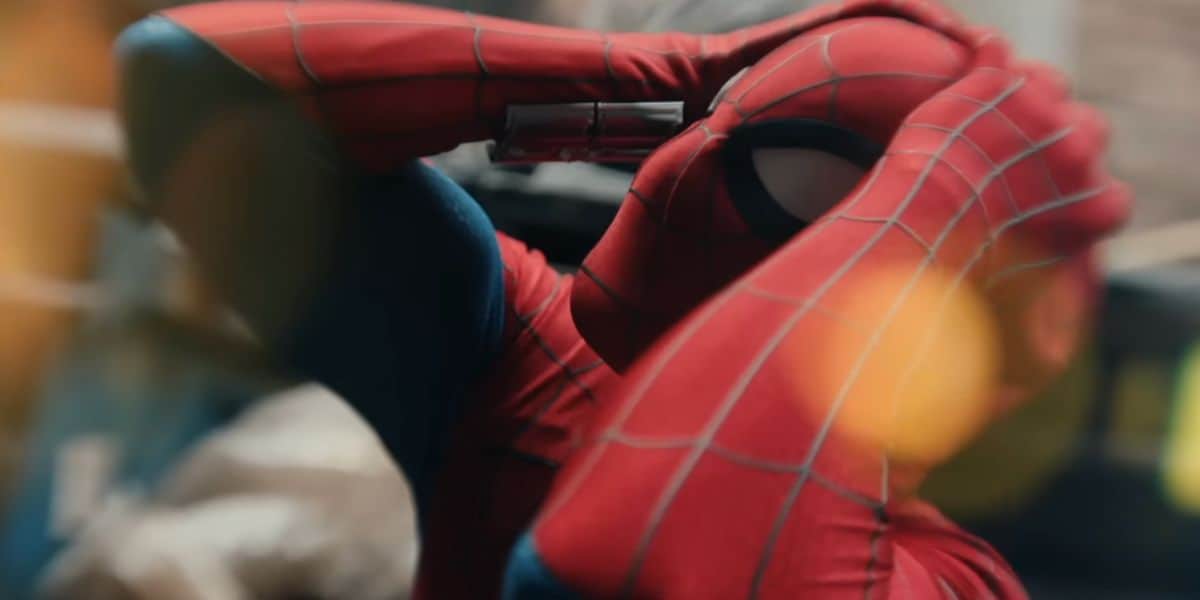
With Spider-Man: Brand New Day (2026) and Avengers: Doomsday (2026) set to arrive, the studio is entering a new phase—one defined less by volume and more by precision, as it works to reshape audience expectations and reestablish its footing in an increasingly competitive landscape.
How do you feel about the evolution of Disney+ when it comes to Marvel content? Let us know in the comments down below!