
Zoe Saldaña has one wish for the new Gamora in Marvel's Cinematic Universe.
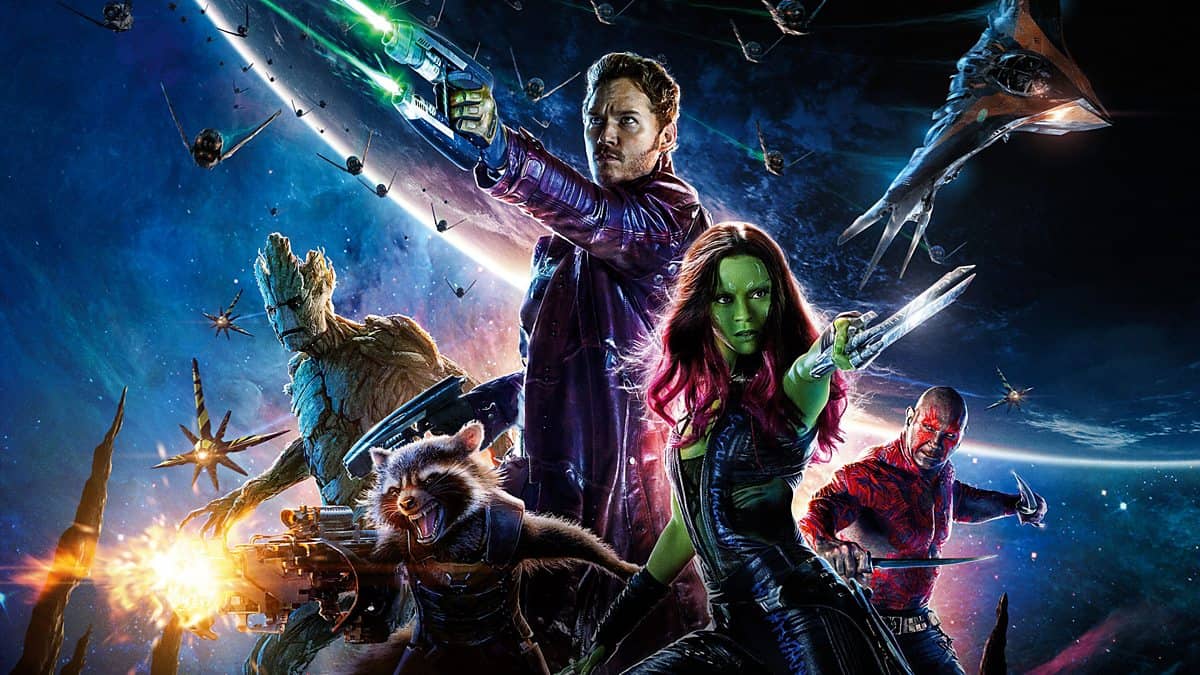
Zoe Saldaña's Decision to Step Away
Zoe Saldaña has confirmed her retirement from her role as Gamora in the Marvel Cinematic Universe (MCU). Her decision comes after nearly a decade portraying the prominent character, starting with Guardians of the Galaxy in 2014.
Career Evolution and New Roles Ahead
Saldaña expressed a desire to explore diverse roles that push her artistic boundaries beyond the superhero genre. She conveyed feelings of being trapped in a cycle of sequels and yearns for more challenging opportunities. Her recent work in the film Emilia Pérez showcases this shift, allowing her to step out of her established comfort zone.
Emotional Connection with the Character
Reflecting on her time as Gamora, Saldaña highlighted an emotional connection to the character and the relationships forged throughout the trilogy. The depth and complexity of Gamora's journey resonated with viewers, making her departure from the role particularly poignant for both the actress and her fans.
Balancing Commitments in Other Franchises
Saldaña mentioned her commitments to other significant franchises, notably Avatar, as a contributing factor in her decision to retire from the MCU. This balancing act between roles has led her to prioritize projects that align more closely with her personal values and aspirations for growth.
Future Direction of Gamora in the MCU
Importance of Character Continuity
Saldaña underscored the necessity of continuity for Gamora, indicating that it would be a “huge loss” for the Marvel franchise if the character were not represented in upcoming narratives. Fans' emotional investment in the character's journey emphasizes the importance of ensuring her legacy continues.
Saldaña's Vision for Representation
Furthermore, Saldaña advocated for greater diversity in casting. She expressed her wish for a woman of color to take on the role of Gamora, emphasizing the importance of representation in the film industry. “Let it be a brown girl to play Gamora,” she stated, signifying her commitment to fostering inclusivity in future adaptations, she told Variety.
Speculation on Potential Story Arcs
As the MCU navigates the multiverse, the possibilities for Gamora's return or her successor’s narrative grow. Potential story arcs could explore themes of identity and legacy, utilizing the multiverse to reintroduce variations of beloved characters or adjust established narratives.
Impact of Recasting on the Guardians Team
With Saldaña's exit, Marvel faces the significant task of finding a new actress to portray Gamora, an integral member of the Guardians of the Galaxy team.
The Search for a New Actress for Gamora
The search for a successor to Saldaña's portrayal must respect the character's essence while also embracing new interpretations. This search not only embodies the challenges of recasting iconic roles but also reflects the broader industry trend toward diverse representation.
Potential Candidates and Diversity in Casting
While no official contenders have emerged, industry speculation suggests several rising stars could fit Saldaña's vision for Gamora. The inclusion of diverse talent in this role could infuse the character with new energy and perspectives, aligning with both Marvel's history of nurturing new talent and Saldaña's expressed wishes.
Exploring Themes of Family and Identity
The departure of Gamora presents an opportunity for Marvel to delve deeper into themes of family and identity within the franchise. Future narratives may explore how the Guardians cope with her absence, and how a new portrayal of Gamora could redefine their dynamic.
Reimagining Marvel’s Iconic Heroes
The Marvel Cinematic Universe (MCU) is no stranger to the bold move of recasting its iconic heroes. One of the most notable transitions has been the passing of the Captain America mantle from Steve Rogers, originally portrayed by Chris Evans, to Sam Wilson, now played by Anthony Mackie. Steve Rogers’ journey culminated in Avengers: Endgame, where he symbolically handed over his shield to Wilson, also known as Falcon. This shift was more than just a change of face; it represented a significant narrative evolution that acknowledged Sam's growth from a loyal sidekick to a formidable hero, resonating with themes of diversity and a contemporary representation of America.

The impetus behind such recasting decisions stems from various factors, including the natural aging of actors, the desire for fresh storylines, and the need to breathe new life into cherished roles. While Chris Evans’ portrayal of Steve Rogers was beloved, Marvel seized the opportunity to explore a new dimension of the Captain America legacy with Anthony Mackie. This change underscores Marvel’s dedication to reflecting real-world issues of representation, showcasing the importance of inclusivity in storytelling.
Another notable recasting occurred when Mark Ruffalo took over the role of Bruce Banner, or the Hulk, from Edward Norton after The Incredible Hulk in 2008. Although this recasting happened earlier in the MCU timeline, it set a significant precedent, signaling Marvel’s willingness to adapt creatively for the greater narrative.
The Cycle of Death and Resurrection
In the realm of comic books, death is rarely a permanent state, and the MCU embraces this tradition with open arms. Characters often meet their end in poignant, dramatic moments, only to return later through inventive storytelling methods, including time travel, alternate dimensions, or even scientific miracles.
Take Loki as a prime example. Tom Hiddleston’s beloved character faced his demise at the hands of Thanos in Avengers: Infinity War, but he made a triumphant return in the Disney+ series Loki, which introduced a variant of the character from an alternate timeline. Similarly, Gamora, played by Zoe Saldana, perished in Infinity War but was resurrected as a different version of herself from the past in Avengers: Endgame. This new Gamora has become an integral part of the Guardians of the Galaxy storyline, albeit with no memories of her previous life.
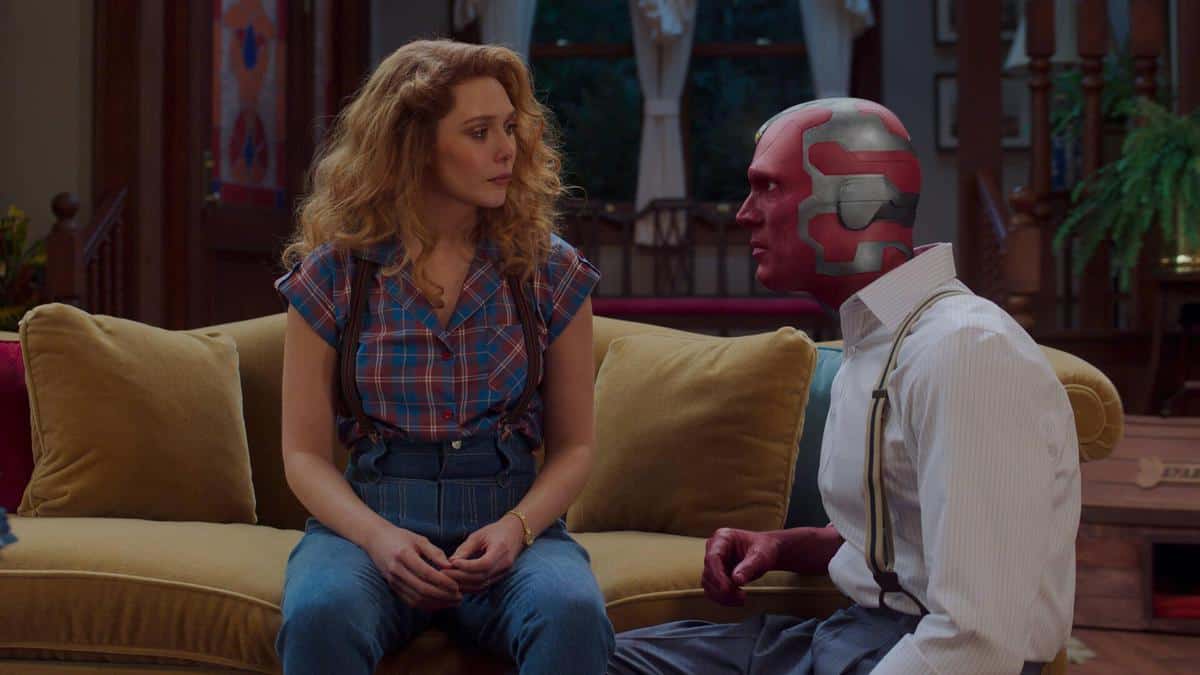
Vision, portrayed by Paul Bettany, also experienced a tragic fate in Infinity War but found new life in WandaVision, where he grappled with themes of grief, love, and identity. His evolving narrative leaves the door open for future appearances in the MCU, illustrating how deaths can be used as a powerful narrative tool for character growth and exploration.
Embracing the Multiverse: Expanding Horizons
One of the most exhilarating developments in the MCU has been the advent of the multiverse, which introduces the concept of infinite alternate realities. This narrative device not only allows for the exploration of different versions of familiar characters but also enables recasting and reviving characters in creative ways.
The multiverse played a pivotal role in Spider-Man: No Way Home, where fans were treated to the sight of multiple Spider-Men, portrayed by Tobey Maguire, Andrew Garfield, and Tom Holland, all converging across dimensions. The concept further expanded in Doctor Strange in the Multiverse of Madness, showcasing alternate versions of beloved characters, some taking on villainous roles while others became unexpected heroes.
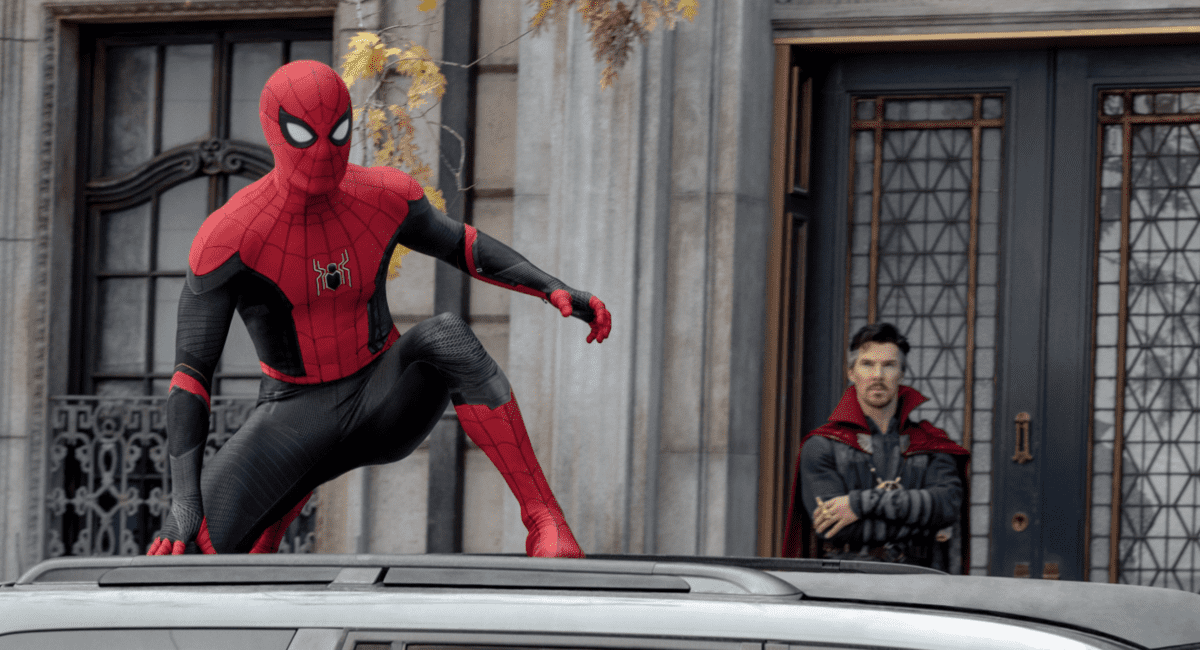
This multiverse framework provides Marvel with boundless storytelling possibilities, allowing for the revival of deceased characters, the introduction of new actors, and fresh interpretations of classic roles. Anticipation is building for the upcoming Deadpool 3, which promises to delve deeper into this concept, especially with characters from Fox’s X-Men universe joining the MCU, including the much-loved Wolverine, played by Hugh Jackman.
Looking Ahead: Guardians of the Galaxy
In the most recent installment of the Guardians of the Galaxy franchise, Guardians of the Galaxy Vol. 3, fans witnessed significant developments for the beloved ensemble. The film explores deeper character arcs, particularly for Rocket and his tumultuous past, while also wrapping up the storylines for several characters. As the Guardians embark on new adventures, the film hints at potential shifts within the team dynamic, paving the way for fresh faces alongside the returning cast members.
As Marvel continues to expand its cinematic universe, the future of the Guardians of the Galaxy franchise remains promising. While some original cast members, like Chris Pratt (Star-Lord) and Dave Bautista (Drax), are set to reprise their roles, it remains to be seen how the multiverse and recasting might influence the direction of this beloved team.
In summary, as Marvel evolves its narrative landscape through recasting, resurrections, and multiversal adventures, fans can look forward to a blend of nostalgia and innovation, ensuring that the MCU remains a dynamic and captivating universe for years to come.
Fan Reactions to the Upcoming Changes
Responses among fans regarding Saldaña’s retirement and the potential recasting of Gamora have been mixed. While some express excitement for fresh interpretations that align with modern values, others feel a sense of loss, concerned that a new portrayal might not capture the essence of the character. Saldaña’s advocacy for diversity and representation positions fan expectations for future developments.
As the MCU enters a new chapter without Zoe Saldaña's portrayal of Gamora, the landscape of characters and narratives adapts to the evolving landscape of the film industry. With an emerging focus on inclusivity and representation, Marvel is poised to continue captivating audiences while navigating the complexities of legacy and identity within its beloved universe.
What do you think of Marvel's decision to continuously resurrect dead characters?