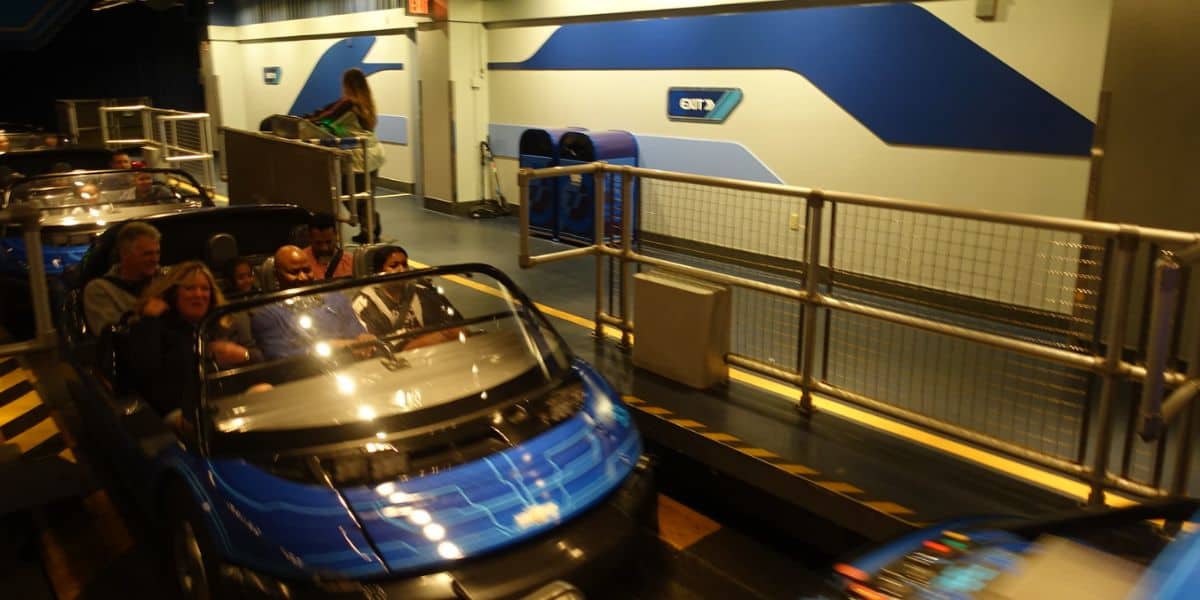
About five weeks ago, Disney Parks POV posted an Instagram reel that started as a celebration of Test Track at EPCOT and ended with something a lot of guests recognized immediately.
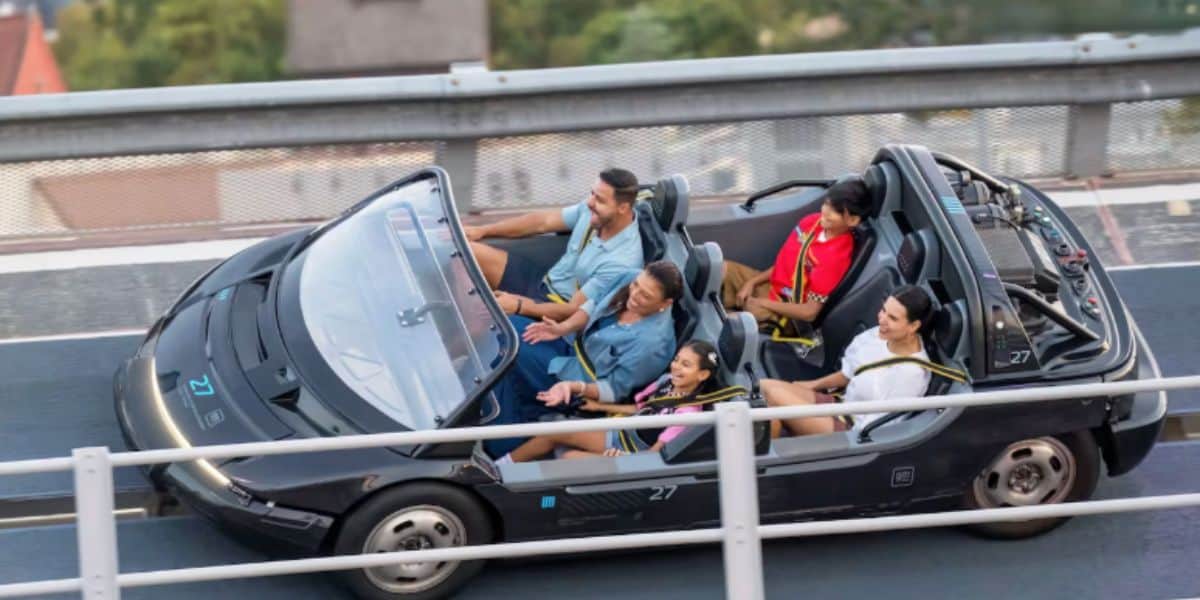
The reel captured a breakdown on the attraction at arguably the worst possible location: the outdoor banking section where the SimCar hits 65 miles per hour and leans hard into the curve around the outside of the building. In the footage, smoke begins coming from the ride vehicle as it sits stationary on that angle. The caption leaned into the usual Test Track enthusiasm, talking about the design studio experience, the acceleration, the wind on the outdoor loop. But the breakdown footage is what people responded to.
The comments that followed became something unexpected. Guest after guest described the same location, the same uncomfortable angle, the same extended waits. Former cast members weighed in with operational context. The comment section turned into an accidental documentation of a recurring pattern that anyone planning a Disney World trip should know about.
View this post on Instagram
The Comments, and What They Add Up To

Start with the cast member perspective. “Haha I hated when I had to evacuate people off this specific point,” one former crew member wrote. “Luckily this was a 2 cast member spot so I wasn't alone.” That detail is significant. The fact that this location has an established evacuation protocol requiring two cast members tells you something about how frequently the situation arises.
Another commenter added the operational explanation: “I got stopped here too. I believe this is a blockzone so it wouldn't surprise me if many people get stuck here.” A block zone is a designated stopping point built into the attraction's traffic management system. Vehicles can be held there intentionally as part of normal operations. When an unplanned breakdown intersects with a vehicle already sitting in that zone, the result is exactly what the video shows.
“This happened to my family in the identical spot. Uncomfortable to say the least. Happened two times.”
“Happened to me in the midday sun. Leaned sideways in that car a good 20 minutes. I was on the left side of the vehicle with two strangers to my right holding tight so they didn't fall onto me. It was most unpleasant.”
“We were stuck there for 20 minutes or so. My neck was killing me after.”
One guest described being stuck at that angle while dealing with an ankle injury, unable to put pressure on their foot because of the pitch of the vehicle. Another described the steepest part of the bank as the most uncomfortable possible stopping point, noting that guests caught there are suspended mid-curve with the vehicle leaning significantly.
The broader frustration around Test Track reliability came through in other comments too. “This ride broke down 3 times the one day we had planned to ride it. Wasted 3 hours in line before we gave up. Was delayed over an hour after opening.” And then the response that landed harder than any of the others: “Been there. That's why I'll never go on it again.”
Why That Specific Spot Is the Problem
Test Track is built around a payoff. The design studio portion inside the building is engaging but relatively calm. The real draw is the outdoor sequence, where the SimCar exits the building and accelerates to 65 miles per hour through the banked outer loop. It is brief, it is fast, and it delivers the adrenaline the attraction promises.
When the vehicle stops during that sequence rather than completing it, everything that makes the banking section exciting becomes a problem. The lean is significant. It is designed to be felt at speed, not held statically. Guests on the outer side of the vehicle are positioned higher than those on the inner side, which means the experience of waiting at that angle varies depending on where you are sitting. Twenty minutes at that lean, in Florida heat, without shade, is a genuinely unpleasant experience regardless of how much you were enjoying the ride before it stopped.
The smoke visible in the reel adds a layer that the comments alone do not capture. The source of the smoke in that specific incident is not something Disney addressed publicly, and attributing a cause without more information would not be accurate. What the footage does establish is that the stop was not a routine interval hold. Something was happening with the vehicle that prompted evacuation.
What Disney World Visitors Should Know
None of this makes Test Track a ride to skip. It remains one of EPCOT's most distinctive attractions, and the design studio element is genuinely interactive in a way that pure thrill rides are not. But the breakdown history documented in those comments is real enough to factor into how you approach the attraction on your park day.
Timing matters more for Test Track than for many other EPCOT rides. The pattern of breakdowns accumulating through the day, described by multiple commenters, suggests that early morning visits carry less risk of extended delays than midday or afternoon attempts. Arriving at park open and heading to Test Track early is the most reliable strategy for guests who want to ride it without absorbing a significant time loss if it goes down.
Lightning Lane access changes the calculus. If Test Track is a priority and you are willing to use Lightning Lane, the time investment on a breakdown is capped at the inconvenience of the breakdown itself rather than the combined cost of the queue plus the breakdown. For a ride with the operational history these comments describe, that consideration is worth thinking through before your park day.
For guests with physical concerns, the outdoor banking section is worth understanding in advance. The lean at that portion of the track is part of the experience and cannot be avoided. If an unplanned stop occurs there, you will be held at that angle for an indeterminate period of time. Guests with neck, back, or balance issues should weigh that possibility before boarding.
If you have been stopped at this location on Test Track or have questions about navigating EPCOT around its operational tendencies, share your experience in the comments. We track this kind of guest feedback closely and it is genuinely useful information for other visitors planning their trips.