For years, keeping up with Star Wars started to feel like homework for some fans. One Disney+ series connected to another, characters crossed between projects constantly, and major storylines stretched across multiple shows simultaneously.
That interconnected approach became one of Lucasfilm’s biggest priorities during the Disney+ era. But after the release of The Mandalorian & Grogu, many viewers now believe the studio may be taking a very different direction.
The newest theatrical Star Wars film leaves behind several major threads that longtime Disney+ viewers expected to continue. Two major characters tied closely to the larger “MandoVerse” storyline never appear in the movie at all, despite years of buildup suggesting otherwise.
Disney+ Became the Center of the Franchise
Once Disney+ launched, Lucasfilm quickly expanded beyond theatrical films and pushed heavily into serialized streaming content. The Mandalorian became the biggest success almost immediately, turning Din Djarin and Grogu into some of the franchise’s most recognizable modern characters.
From there, the larger universe continued growing.
The Book of Boba Fett extended storylines from The Mandalorian, while Ahsoka connected animated and live-action storytelling in ways fans had waited years to see. Obi-Wan Kenobi revisited one of the saga’s most iconic Jedi, and shows like Andor, Skeleton Crew, and The Acolyte all helped expand the streaming era even further.
What tied most of these projects together was connectivity. Characters constantly crossed over, references linked multiple series, and fans started viewing the Disney+ era as one giant shared narrative.
That became especially true with the so-called “MandoVerse.”

The Mandalorian Heads to Theaters
After three seasons on Disney+, The Mandalorian officially made the jump to theaters with The Mandalorian & Grogu, which released on May 22, 2026.
The move felt natural for Lucasfilm. Din Djarin and Grogu had already proven enormously popular, and the studio clearly believed they could anchor a theatrical blockbuster.
In several ways, the movie succeeds. The story stays approachable for casual audiences, Grogu remains the emotional center of the film, and the adventure-focused tone feels very similar to the Disney+ series.
Still, longtime fans immediately noticed that several important Disney+ storylines barely mattered to the movie itself.
Characters who once seemed essential to the larger future of Star Wars never appeared. Story arcs that fans expected to continue received little attention. Compared to the heavily interconnected Disney+ shows, the film felt surprisingly isolated.
Eventually, director Jon Favreau explained why.
Jon Favreau Wanted a Simpler Story
Favreau revealed that the project changed significantly once Lucasfilm shifted from producing a fourth season of The Mandalorian to making a theatrical film instead.
According to Favreau, television storytelling allows creators to assume audiences already understand years of ongoing continuity. A movie, however, needs to work for viewers who may not have watched every Disney+ series.
That forced Lucasfilm to simplify the story.
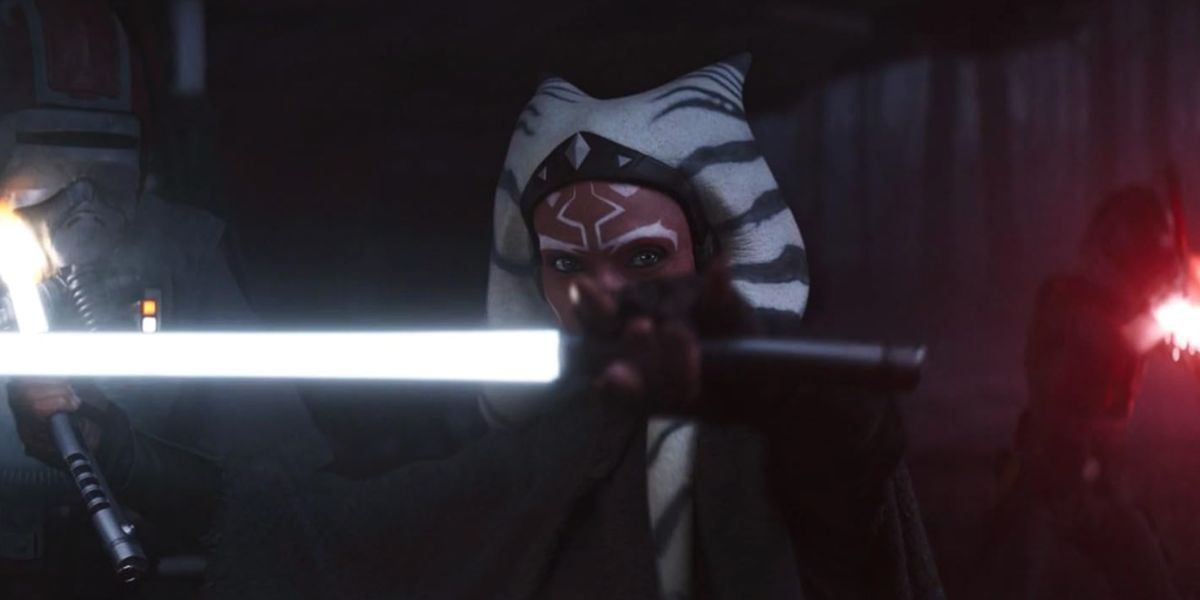
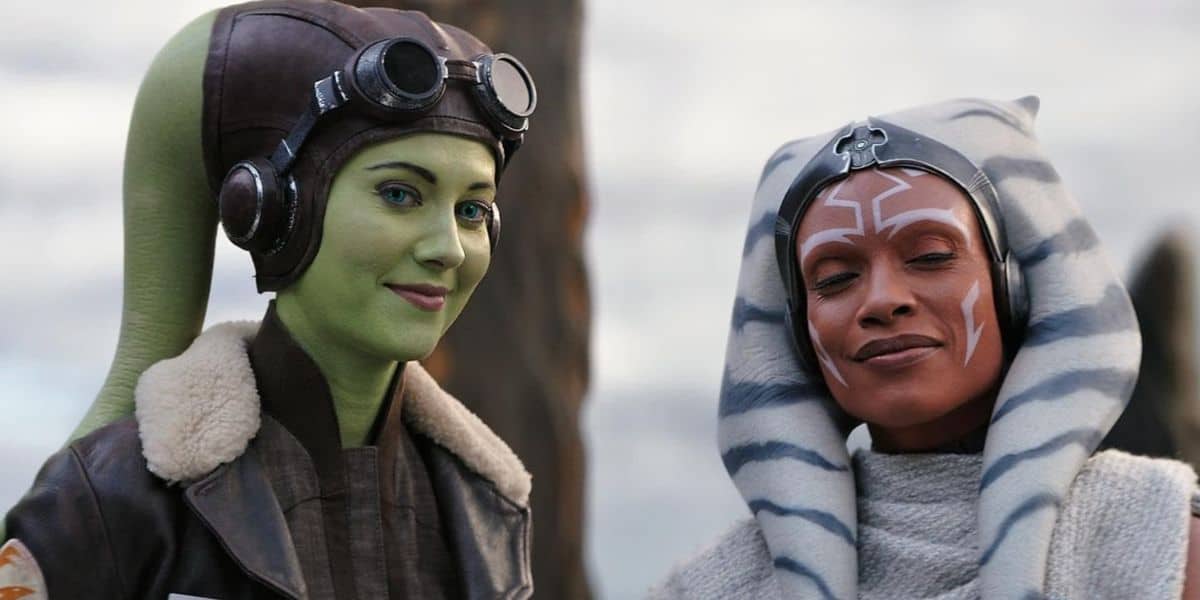
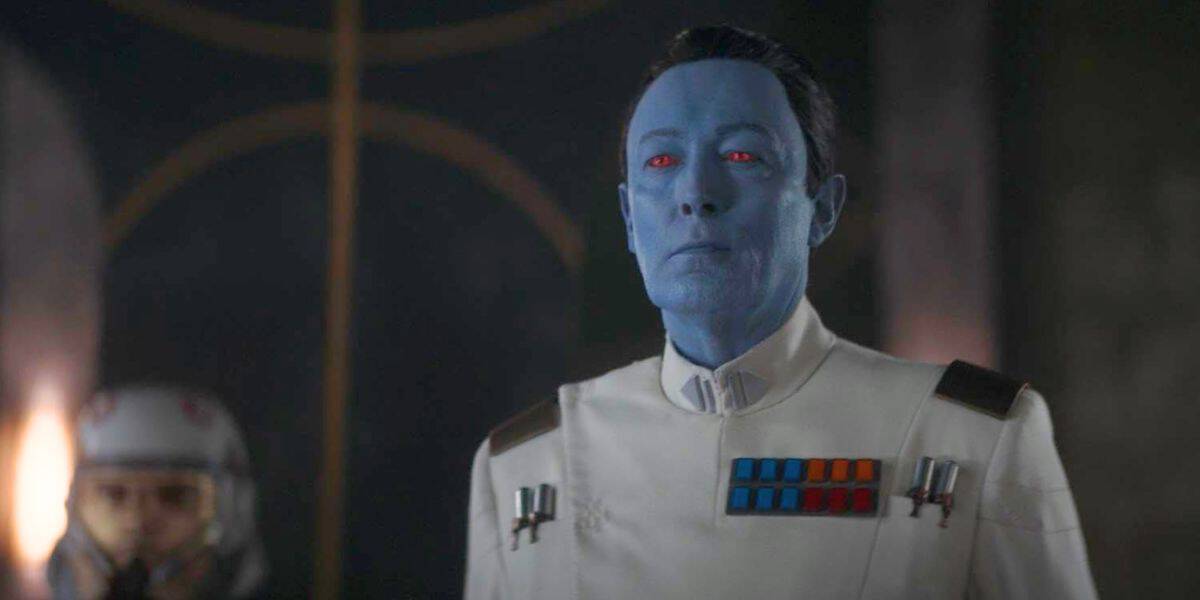
As a result, Ahsoka Tano and Grand Admiral Thrawn do not appear in The Mandalorian & Grogu, despite their close ties to the broader “MandoVerse” storyline.
Their absence surprised many fans because both characters seemed positioned to play major roles in the franchise moving forward. Ahsoka already shared direct connections to Din Djarin’s story, while Thrawn had long been viewed as one of the next major threats in live-action Star Wars.
Instead, Lucasfilm scaled back the crossover storytelling considerably.
Even supporting characters like Zeb Orrelios mainly function as entertaining side characters rather than major pieces of a larger ongoing narrative.

A Different Future for Star Wars
There is little question that The Mandalorian & Grogu work better for casual audiences because of these decisions. New viewers can jump into the movie without prior knowledge of Disney+
At the same time, longtime fans feel the loss of the larger interconnected storytelling that helped define the Disney+ era.
Now, much of that responsibility shifts to Ahsoka Season 2, which appears positioned to continue many of the remaining “MandoVerse” storylines.
Ironically, The Mandalorian helped create this highly connected era of Star Wars storytelling in the first place. But with its transition to theaters, Lucasfilm now seems far more interested in accessibility than in maintaining deep continuity between projects.