

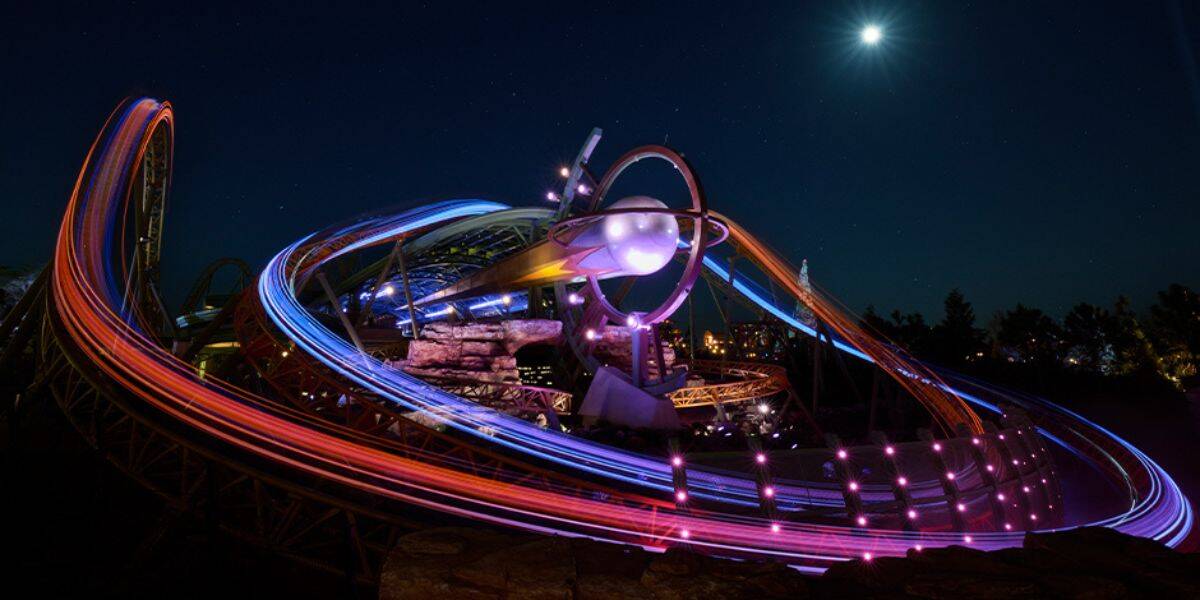
Universal Epic Universe has turned Universal Orlando Resort into a powerhouse that will rival the likes of Mickey Mouse and company.

Universal Epic Universe Turns the Tide in the Theme Park Giant War in Orlando
For generations, theme parks have been more than destinations—they’ve been promises. A promise of escape, of immersion, of stepping into a world where everyday worries fall away the moment you pass through the gates. At Universal Orlando Resort, that promise has long been tied to innovation, thrills, and a willingness to take bold risks in pursuit of unforgettable guest experiences.
As fans look ahead to the future of themed entertainment, expectations have never been higher. Guests aren’t just looking for new rides—they’re craving fully realized worlds, technological leaps, and experiences that justify rising travel costs. And lately, many have sensed that something significant is shifting behind the scenes at Universal Orlando, even if the full picture hasn’t been immediately clear.
That feeling has sparked intense speculation across fan communities. On platforms like X (formerly Twitter) and Reddit, longtime parkgoers have been trading theories about what Universal’s next chapter truly looks like. Is this simply another strong year for the parks—or something much bigger unfolding beneath the surface?
A Subtle Change That Fans Couldn’t Ignore
Over the past year, Universal has drawn consistent attention for its aggressive expansion strategy and its willingness to challenge industry norms. While many fans focused on construction updates and ride announcements, others noticed quieter signals: increased investment, shifting priorities, and an unmistakable sense of momentum that set Universal apart from its competitors.
At the same time, broader conversations about the state of the entertainment industry have been impossible to ignore. Rising costs, changing consumer habits, and fierce competition across streaming, media, and connectivity sectors have reshaped how major corporations allocate resources. Universal’s parent company, Comcast, has been navigating those same pressures.
That context matters—because what happens at the corporate level often ripples outward, eventually landing squarely inside the theme parks guests know and love.

The Industry Pressures Happening Outside the Parks
Comcast’s latest quarterly results painted a mixed picture. While the company beat earnings expectations, it faced notable challenges in other areas of its business. Broadband customer losses continued amid intense competition, and pay TV subscriptions declined again. Even some entertainment segments saw uneven performance, reflecting broader shifts in how audiences consume content.
Yet not every division struggled. Comcast’s media business, including NBCUniversal, showed growth, and Peacock added millions of new subscribers—despite continuing losses tied to major content investments.
All of this set the stage for a crucial question: where, exactly, is Comcast finding its most reliable growth?

Why Universal’s Theme Parks Are Suddenly in the Spotlight
Here’s where the story takes a decisive turn.
While other areas of Comcast’s empire faced headwinds, Universal’s theme parks emerged as a clear standout. In fact, Universal theme parks revenue surged 22%, reaching roughly $2.9 billion—a remarkable increase driven by the opening of Epic Universe.
Comcast released its fourth quarter earnings on Thursday. Revenue for the company’s Universal theme parks was up 22% to about $2.9 billion, driven in part by the opening of Epic Universe last year. – @AshleyLCarter1 on X
Comcast released its fourth quarter earnings on Thursday. Revenue for the company’s Universal theme parks was up 22% to about $2.9 billion, driven in part by the opening of Epic Universe last year. pic.twitter.com/Fx2It0lMjf
— Ashley Carter (@AshleyLCarter1) January 29, 2026
This massive new park didn’t just expand Universal Orlando Resort—it fundamentally shifted the company’s financial landscape. At a time when broadband customers were declining and media revenues fluctuated, Epic Universe delivered something rare: undeniable, measurable growth rooted in guest demand and real-world experiences.
New: Universal theme parks grossed over $1 billion in EBITDA (profit) in Q4. Making it the most successful quarter since Comcast took over, and possibly ever.
New: Universal theme parks grossed over $1 billion in EBITDA (profit) in Q4. Making it the most successful quarter since Comcast took over, and possibly ever. pic.twitter.com/dFgdSDae6t
— Shane Winsten (@ShaneWinReports) January 29, 2026
In other words, while some corners of the entertainment industry struggle to hold attention, theme parks—particularly bold, immersive ones—are proving their staying power.

What This Means for Future Universal Orlando Vacations
For fans and future travelers, this development carries real implications. Epic Universe’s success signals that Universal Orlando Resort is no longer just a complement to Comcast’s business—it’s becoming one of its strongest pillars.
That likely means continued investment, faster innovation cycles, and an even greater emphasis on immersive lands and large-scale expansions. It also raises expectations. If Epic Universe sets the standard, guests will expect that same ambition across the entire resort.
Fans are already weighing in online, debating whether this momentum will lead to new attractions, expanded lands, or higher prices as demand increases. One thing is certain: Universal’s gamble has paid off, and the industry is watching closely.
As Universal Orlando enters this new era, the question isn’t whether change is coming—it’s how far Universal is willing to push next.
Do you think Epic Universe marks the beginning of Universal’s dominance in the theme park industry, or just the start of an even bigger competition?