Theme parks rely heavily on the performers who bring their shows and parades to life, often working long hours in costume or under demanding physical conditions to keep the magic feeling seamless for guests.
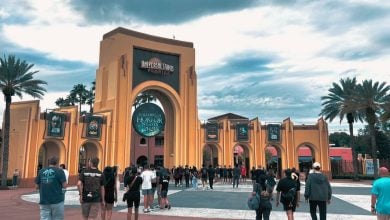
A recent investigation into how one major park handles its relationship with those performers is raising serious questions about fairness, and it's worth understanding exactly what's being alleged before drawing conclusions. Universal Studios Japan, currently celebrating its 25th anniversary with special entertainment throughout the year, is now facing scrutiny over contract terms that reportedly make it financially difficult for some performers to leave their jobs. Here's a breakdown of what the investigation found and how Universal Studios Japan has responded so far.
What the Investigation Uncovered

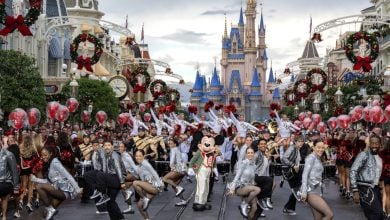
An investigation led by Weekly Bunshun revealed that Universal Studios Japan has reportedly entered into outsourcing contracts with entertainers portraying characters in its shows and parades that are suspected of being illegal. The timing is notable given the park's current milestone, since Universal Studios Japan is celebrating its 25th anniversary this year with commemorative entertainment, including a special parade.
At the center of the investigation is specific contract language governing how performers can exit their agreements. According to the reported contract terms, “If Party B (Note: Performer) unilaterally terminates this agreement or the services for any reason whatsoever, Party B agrees to notify Party A (Note: Management Company) in writing at least 30 days in advance and, upon Party A's request, pay Party A 500,000 yen in damages as a penalty for breach of contract.”
That penalty amount is significant when weighed against what performers reportedly earn. One performer told investigators, “Many of our performers earn around 200,000 yen a month, so compensation that's twice that amount is far too high. To be honest, I want to quit USJ, but I can't because I can't afford the exorbitant compensation.” In other words, the financial penalty for leaving reportedly amounts to roughly two and a half times a typical monthly salary for these positions, creating a real barrier for anyone hoping to walk away from the job.
The Legal Questions Surrounding These Contracts
Whether this contract structure is actually illegal depends heavily on how these performers are classified under Japanese labor law. If a performer is legally considered an employee rather than an independent contractor, this arrangement may violate Article 16 of Japan's Labor Standards Act, which generally restricts employers from setting predetermined penalty amounts for breach of an employment contract.
Even if the performers are technically freelancers operating under a service contract rather than traditional employees, the situation isn't necessarily any clearer legally. Unilaterally imposing what the investigation describes as exorbitant penalties in that scenario could potentially violate Japan's Antimonopoly Act, run against public order and morals standards under the Civil Code, and possibly conflict with the country's new Freelance Act, which was set to take effect in November 2024. That newer law was specifically designed to strengthen protections for freelance workers in Japan, making its potential relevance here particularly notable.
How Universal Studios Japan Responded
Weekly Bunshun reached out to Universal Studios Japan directly for comment as part of the investigation. The company's response was measured and largely avoided addressing the specific allegations head on. In its statement, Universal Studios Japan said, “We will refrain from commenting on the specifics of individual contract clauses as they relate to our company's operations. However, regarding inquiries about contract termination during the contract period, we do not apply a uniform or formal approach, but rather handle each case on a case-by-case basis, taking into account the specific circumstances.”
That response stops short of confirming or denying the specific contract language reported by Weekly Bunshun, while suggesting that termination situations aren't handled with a rigid, one-size-fits-all policy. Whether that case-by-case approach means the exact penalty described by the performer who spoke to investigators is negotiable in practice remains unclear based on the company's public statement.
Why This Story Matters Beyond Just One Park
Stories like this one carry weight beyond the specific performers involved, since they touch on broader questions about labor practices within the theme park and entertainment industry more generally. Character performers and parade entertainers are often the most visible, memorable part of a guest's day at any major park, yet the working conditions behind those performances rarely get the same attention as new ride announcements or park expansions.
For anyone who has ever watched a parade or character show and appreciated the energy and effort performers put into their roles, this investigation is a reminder that those same performers may be navigating complicated, sometimes restrictive employment arrangements behind the scenes. It's a dynamic that isn't unique to Universal Studios Japan specifically, since contract disputes and labor concerns have surfaced periodically across the broader entertainment and hospitality industries worldwide.
What Happens Next
At this stage, it remains to be seen whether Japanese labor authorities or other regulatory bodies will take further action based on Weekly Bunshun's reporting. The overlapping legal questions, spanning labor law, antitrust regulations, civil code provisions, and freelance worker protections, suggest this situation could take time to fully sort out, particularly if performers who feel trapped by these contracts decide to pursue formal complaints or legal action of their own.
Universal Studios Japan has not indicated whether it plans to revise the contract language in question following the investigation's publication, and further developments will likely depend on how much public and regulatory attention this story continues to receive in the coming weeks.
What do you think about these findings, and do you think theme parks generally do enough to protect the performers who make these shows and parades possible? Share your thoughts on social media, we'd like to hear different perspectives on how this story should be handled going forward.