Marvel has spent years throwing new ideas into the mix, and now those ideas are finally starting to come together. Avengers: Doomsday (2026) looks like the movie that could connect the biggest threads of the Multiverse Saga into one giant collision.
That is why this film already feels bigger than a standard Avengers return. It is not just about assembling heroes for another battle. It is about timelines breaking open, older Marvel worlds colliding with newer ones, and fresh teams stepping into a much larger conflict.
For fans trying to sort out what matters most, that can get confusing fast. Fortunately, the path to Doomsday becomes much easier to follow when you narrow it down to the projects that actually build the foundation.
Robert Downey Jr. Returns in a Very Different Role
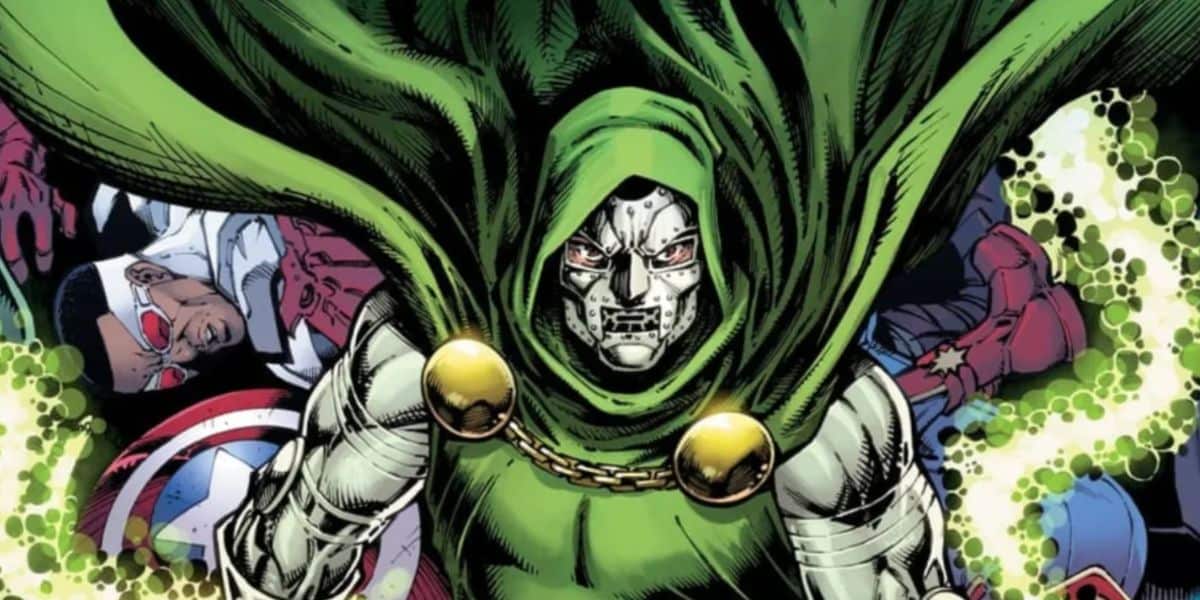
Marvel changed the entire conversation when it revealed that Robert Downey Jr. would return to the MCU. After spending years as Tony Stark, he is now stepping into the role of Victor von Doom.
That one move gives Doomsday a very different kind of energy. Doctor Doom is one of Marvel’s biggest villains, so putting him at the center of this movie immediately raises expectations. Casting confirmations also suggest that Marvel wants this story to stretch across multiple corners of the franchise.
Sam Wilson / Captain America (Anthony Mackie) appears ready for a bigger leadership role, while Thor (Chris Hemsworth) and Loki (Tom Hiddleston) bring back some familiar power and history. At the same time, the Thunderbolts and the Fantastic Four are moving closer to the middle of the action.

It Starts With the End of the Old Era
The road to Doomsday really starts with Avengers: Infinity War (2018) and Avengers: Endgame (2019). Those two films did more than close out a chapter. They changed the shape of the MCU.
Infinity War proved that one overwhelming villain could shatter the universe, while Endgame showed the Avengers using time travel to fight back. That effort came at a cost. Tony Stark’s death left a huge gap behind, and the timeline complications that followed opened the door for everything Marvel is doing now. Once those cracks formed, the Multiverse Saga had room to grow.
The Multiverse Becomes the Main Story
That growth becomes impossible to ignore in Loki Season 1 (2021) and Season 2 (2023). The series introduces the TVA, explains how branching timelines work, and shows how unstable reality can become when those branches spiral out of control. If fans want to understand why Doomsday may feel so enormous, Loki is one of the clearest places to start.
From there, Spider-Man: No Way Home (2021) makes the Multiverse feel both personal and chaotic. Peter Parker (Tom Holland) accidentally pulls in characters from entirely different Spider-Man franchises, proving that Marvel is ready to treat older cinematic universes as part of the larger picture.

Marvel Keeps Expanding the Board
Doctor Strange in the Multiverse of Madness (2022) builds on that momentum by sending Doctor Strange (Benedict Cumberbatch) into alternate realities and introducing the Illuminati, including Professor X (Patrick Stewart). That only adds more fuel to the idea that legacy Marvel characters may continue to matter.
Then Ant-Man and the Wasp: Quantumania (2023) connects danger to the wider Multiverse through Kang the Conqueror (Jonathan Majors), while Deadpool & Wolverine (2024) takes an even bolder step. By pulling Wade Wilson / Deadpool (Ryan Reynolds) and Logan / Wolverine (Hugh Jackman) into the MCU mix, Marvel shows just how comfortable it has become with bringing separate worlds together.
The New Teams Step Forward
As the MCU moves closer to Doomsday, newer players start to matter more. Captain America: Brave New World (2025) gives Sam Wilson a larger place in the post-Steve Rogers era. Thunderbolts (2025) adds a team built from more complicated, less traditional heroes.
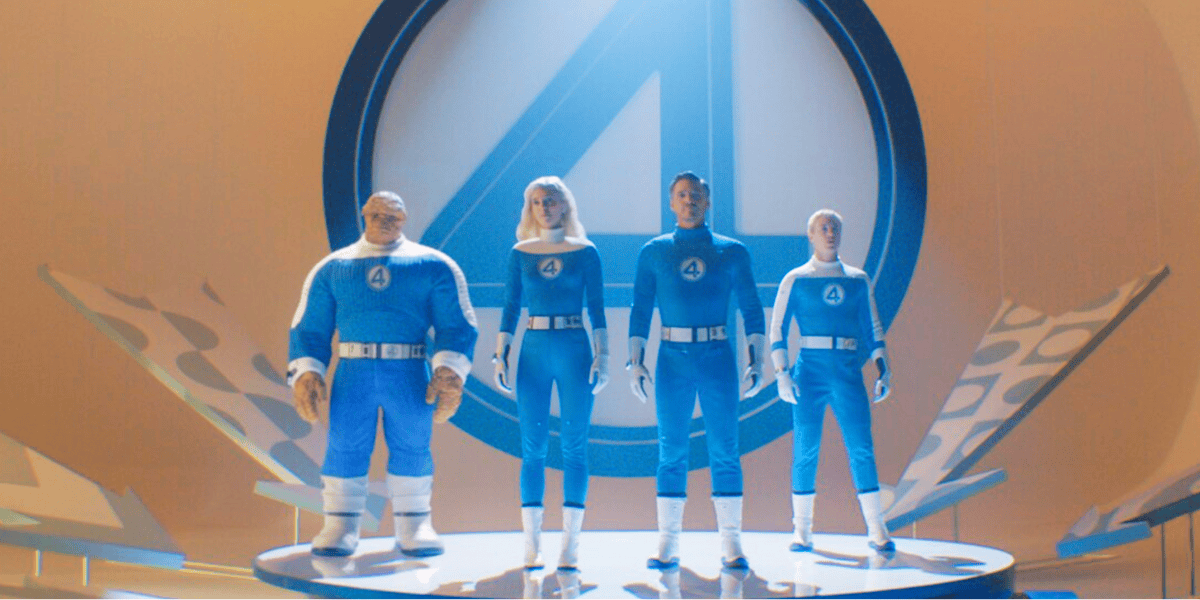
Then The Fantastic Four: First Steps (2025) arrives with what may be the most important setup of all. Reed Richards / Mister Fantastic (Pedro Pascal), Sue Storm / Invisible Woman (Vanessa Kirby), Johnny Storm / Human Torch (Joseph Quinn), and Ben Grimm / The Thing (Ebon Moss-Bachrach) enter the MCU just as Doctor Doom does. That connection alone makes the film feel essential.
The Last Stops Before the Collision
Two final projects help round out the list. Wonder Man (2026) introduces Simon Williams / Wonder Man (Yahya Abdul-Mateen II), adding another unusual figure to Marvel’s growing roster. Then Spider-Man: Brand New Day (2026) will continue Peter Parker’s life after the emotional reset at the end of No Way Home. The film is set to release on July 31, 2026.
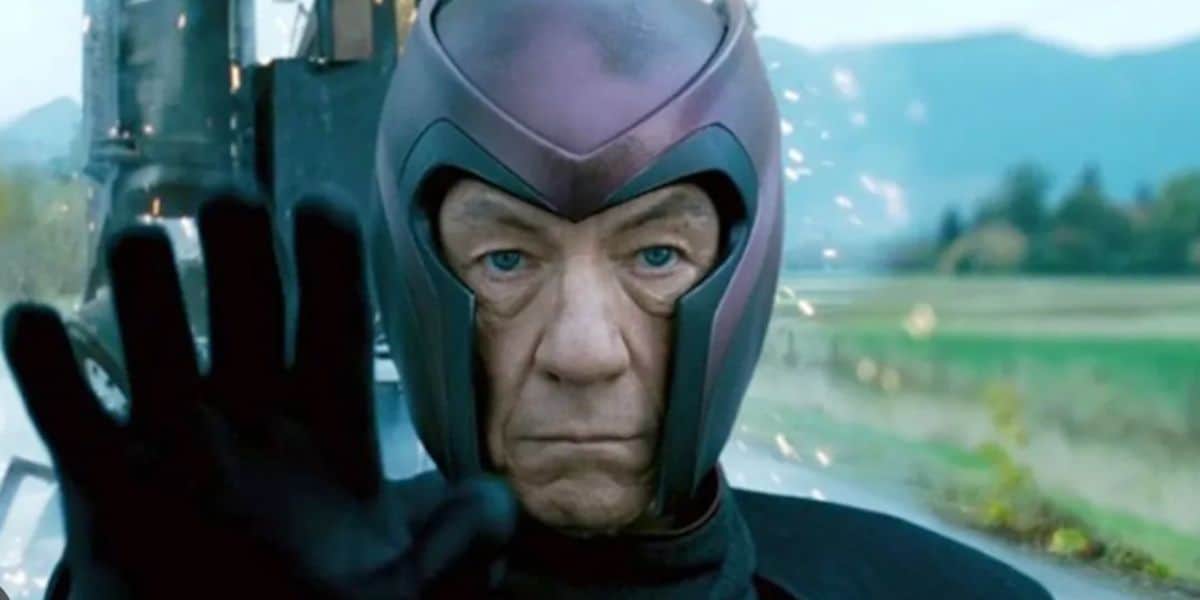
There is also a strong reason to revisit the original X-Men movies, especially X-Men (2000), X2: X-Men United (2003), and X-Men: The Last Stand (2006). Those films remain an important part of Marvel's legacy, especially with characters like Wolverine, Storm, and Professor X still tied to the larger Multiverse conversation.
Marvel Is Finally Bringing the Pieces Together
What makes Avengers: Doomsday (2026) so interesting is that it does not stand alone. It sits at the center of years of setup, from Thanos and time travel to the TVA, Multiverse collisions, and the arrival of new teams.
That is why these twelve projects matter. They do not just fill in background details. They explain how Marvel got here and why Doctor Doom’s arrival feels like such a major turning point. If Doomsday delivers on what this setup promises, the MCU could be heading into one of its biggest shakeups yet.