Marvel fans have felt the divide for years. The X-Men lived in their own cinematic space while the MCU built something massive. Both worked. But they never felt complete together. After a recent slip-up hinted that something bigger was coming, that separation finally feels like it’s about to disappear. Marvel appears ready to officially bring the X-Men into the MCU family in a meaningful way.
Not quietly. Not temporarily.
The turning point seems to be Avengers: Doomsday (2026).
Doomsday Is More Than Just Another Team-Up
From the outside, Avengers: Doomsday (2026) looks like the next chapter in Marvel’s long-running saga. Look closer, and it feels like a reset. The film is shaping up to feature an enormous cast and a scope that reaches beyond anything Marvel has done before.
This time, Marvel isn’t limiting itself to familiar MCU faces. Instead, it’s pulling characters from earlier Marvel films and placing them directly into the heart of the story. That decision sends a clear message: the X-Men aren’t being treated as an add-on. They’re part of the main event.
Alongside the Avengers, the Fantastic Four, and Doctor Doom, the X-Men finally step into the center of Marvel’s future.

A Lineup That Changes Everything
The list of confirmed returning X-Men characters immediately shifts expectations.
Professor X (Patrick Stewart)
Magneto (Ian McKellen)
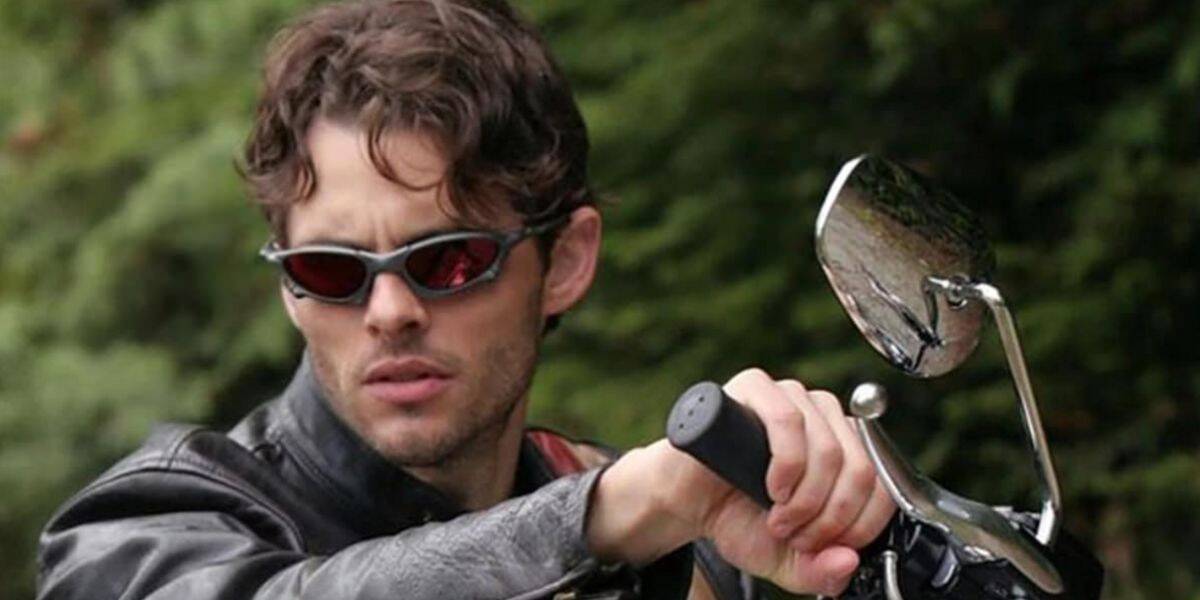
Cyclops (James Marsden)
Mystique (Rebecca Romijn)
Nightcrawler (Alan Cumming)
Beast (Kelsey Grammer)
These aren’t minor roles or one-scene appearances. These characters defined the original X-Men films and carried much of their emotional weight. Marvel’s decision to bring them back together signals a deliberate effort to connect the past and the present.
This isn’t about revisiting old ground. It’s about building something new on top of it.

James Marsden’s Words Add Context
James Marsden’s recent comments about returning as Cyclops help explain why this moment matters. He spoke openly about how much time had passed since he last played Scott Summers and admitted that he didn’t expect another opportunity.
That honesty makes Marvel’s timing feel intentional. The studio didn’t rush this. It waited until the right moment to bring these characters back, when the audience is ready for a crossover of this scale.
Marsden’s reference to “worlds colliding” feels especially telling. It suggests a story built around convergence rather than nostalgia.
Incursions Turn a Crossover Into a Crisis
The MCU has already shown what happens when universes collide. Doctor Strange in the Multiverse of Madness (2022) introduced Incursions and demonstrated their devastating power. Entire worlds fade away when the balance breaks.
With Doctor Doom now entering the picture in Avengers: Doomsday (2026), the danger escalates. Doom manipulating the Multiverse isn’t a minor threat. It’s a catalyst for collapse.
If the X-Men’s universe collides with the MCU, the result won’t just be spectacle. It forces Marvel to decide what survives.

Cyclops Fits the Story Marvel Is Telling
Cyclops brings more than familiarity. As one of the X-Men’s key leaders, he understands impossible decisions and fractured teams. In a story shaped by collapsing universes, that experience matters.
Marsden’s return hints that Cyclops will play a meaningful role rather than simply reappear for nostalgia’s sake.
This Isn’t a Side Project Anymore
For years, fans worried Marvel might keep the X-Men separate. Avengers: Doomsday (2026) suggests the studio has moved past that idea.
This is an integration, not a test.
Marvel appears ready to let mutants stand alongside its biggest heroes and shape the future together. If worlds really are about to collide, the MCU isn’t just expanding—it’s evolving in a way fans have been waiting for.