

Planning a meal at one of Disney BoardWalk's signature restaurants has become slightly more complicated thanks to a new parking management system that's raising questions among frequent visitors.

Security personnel now distribute time-stamped parking passes limiting guest stays to three hours, a measure designed to balance the needs of resort hotel guests, dining patrons, and the general public visiting this entertainment district. The policy makes sense from a crowd management perspective, particularly given the BoardWalk's convenient proximity to EPCOT and the ongoing popularity of dining destinations like Cake Bake Shop and Flying Fish. What's generating buzz on social media, however, isn't the policy itself but rather the lack of clarity around what actually happens when guests exceed the stated time limit. Recent discussions on platforms like X reveal a gap between the official restrictions and real-world enforcement that's worth exploring before your next BoardWalk visit.
How the New Parking System Works
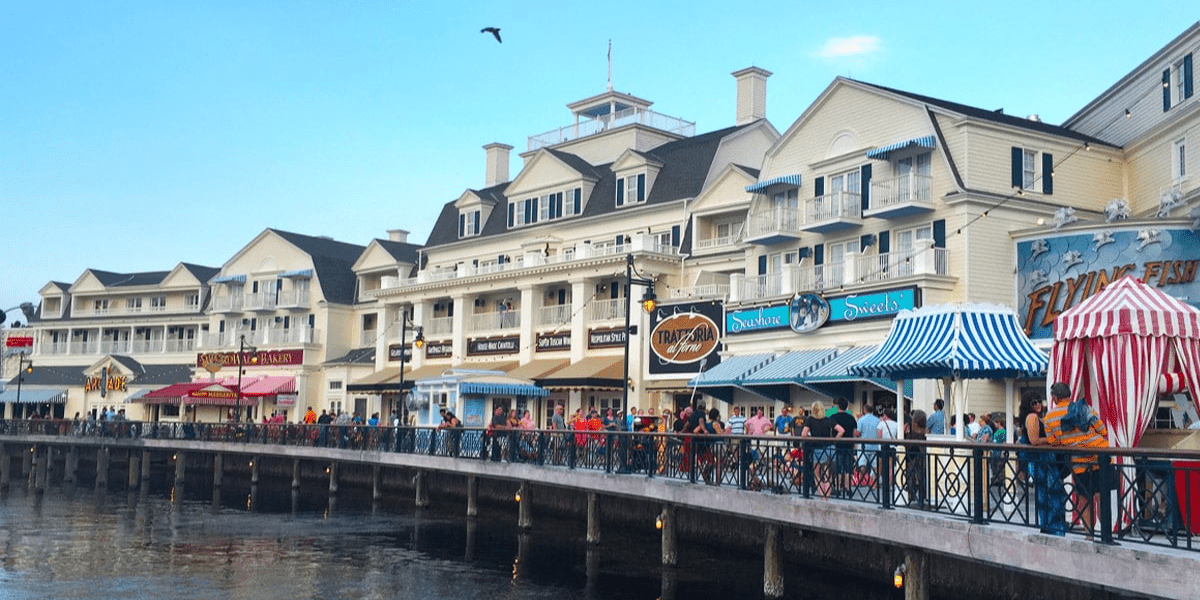
The BoardWalk parking lot now operates under a structured time limitation system. Upon arrival, security staff provide each vehicle with a printed pass displaying the current time and indicating the three-hour window for parking. This pass should remain visible in your vehicle throughout your visit, similar to parking validation systems used at shopping centers and medical facilities.
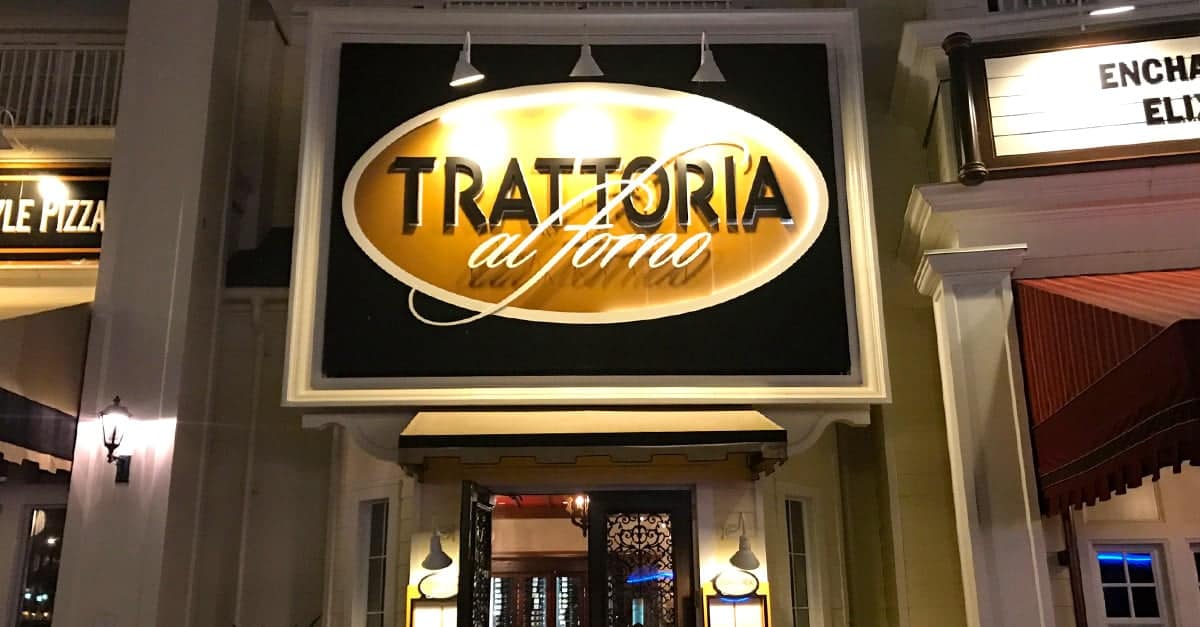
Disney implemented this system to address several concurrent parking challenges. BoardWalk Resort hotel guests require reliable access to parking spaces, particularly during peak check-in and check-out periods. Restaurant patrons holding confirmed reservations at venues like Trattoria Al Forno, Flying Fish, and the highly sought-after Cake Bake Shop need guaranteed parking availability when they arrive for their scheduled dining times.
The location factor plays a significant role in this policy's necessity. The BoardWalk sits adjacent to EPCOT's back entrance at the International Gateway. This proximity creates an obvious temptation for theme park visitors to use BoardWalk parking as a free alternative to EPCOT's standard parking lot, which charges daily fees. Without time restrictions, the BoardWalk lot would likely serve as overflow parking for EPCOT rather than supporting its intended purpose.
A three-hour window accommodates typical dining experiences including arrival, meal service, and leisurely departure. Guests visiting Atlantic Dance Hall or enjoying the boardwalk's outdoor entertainment should also find this timeframe sufficient for most occasions.
Social Media Reveals Enforcement Gap
The conversation around parking pass enforcement gained momentum when X user Jodicab (@Jodicab22) shared a photograph of their parking pass accompanied by a straightforward question: “What are the consequences to this?” The responses illuminated an interesting discrepancy between stated policy and actual practice.
What are the consequences to this? pic.twitter.com/BxjB2AowfP
— Jodicab (@Jodicab22) January 23, 2026
Initial replies leaned toward humor, with users suggesting exaggerated penalties ranging from vehicle damage to property-wide bans. However, as the discussion developed, numerous guests shared genuine experiences that painted a different picture. Multiple commenters reported exceeding the three-hour limit, sometimes significantly, without encountering any form of enforcement action.
These accounts describe visits extending four, five, or even six hours beyond the initial parking time without resulting in tickets, warnings, or towing. Guests mentioned returning to their vehicles well past the designated departure time only to find everything exactly as they left it, with no indication that anyone had monitored compliance during their absence.
Personal observations from regular BoardWalk visitors support these reports. Extended evenings involving dinner, drinks, entertainment, and general boardwalk exploration frequently stretch beyond the three-hour mark without apparent consequence. The pattern suggests that while Disney issues the passes and communicates the policy, active monitoring and penalty enforcement may not currently be priorities.
Restaurant Demand Drives Parking Pressure

The BoardWalk's dining scene creates substantial parking demand throughout operating hours. Cake Bake Shop has emerged as a particularly popular destination, generating long reservation waitlists and bringing significant traffic to the area. This venue alone contributes considerably to parking lot congestion during prime dining periods.
Established restaurants maintain their steady customer base as well. Flying Fish offers upscale seafood dining that attracts guests willing to travel specifically for the culinary experience. Trattoria Al Forno serves both breakfast and dinner, creating parking demand during multiple dayparts. These sit-down restaurants typically involve longer visit durations than quick-service options, naturally filling parking spaces for extended periods.
Atlantic Dance Hall adds evening and late-night parking pressure. This entertainment venue attracts guests after theme park closing times, serving a different crowd than the dinner-hour restaurant patrons. The recently opened snack stand, which replaced the former Funnel Cake location, represents a more casual stop but still contributes to overall traffic patterns in the area.
Managing parking for this diverse mix of venues presents ongoing operational challenges. The lot must accommodate hotel guests needing overnight and multi-day parking access, restaurant patrons arriving at scheduled times, casual visitors exploring the boardwalk, and late-night entertainment seekers. The three-hour policy theoretically creates turnover that keeps spaces available across these different use cases.
The EPCOT Parking Consideration
Understanding the parking pass system requires acknowledging the BoardWalk's relationship to EPCOT. The walk from the BoardWalk parking lot to EPCOT's International Gateway entrance takes approximately five minutes, offering a convenient back entrance to the theme park that bypasses the main parking lot entirely.
This proximity creates clear financial incentive for budget-conscious guests. Standard EPCOT parking costs $30 per day, a fee that families visiting multiple days find adds up quickly. Free parking at the BoardWalk combined with a short walk provides an appealing alternative, assuming guests are willing to risk potential consequences for exceeding the time limit.
The three-hour restriction specifically targets this scenario. Most EPCOT visits extend six to ten hours or longer, making the BoardWalk lot unsuitable for full-day theme park parking under the stated policy. However, enforcement questions become relevant here as well. If consequences for overstaying remain minimal or nonexistent, some guests may calculate that the parking fee savings justify testing the system.
Disney clearly anticipated this use case when designing the parking pass program. Whether the policy's existence alone provides sufficient deterrent, or whether enhanced enforcement measures will eventually become necessary, depends partly on guest behavior patterns and partly on Disney's commitment to policy implementation.
Recent Changes to BoardWalk Atmosphere
The parking management discussion unfolds against a backdrop of significant transitions affecting the BoardWalk's overall guest experience. Several prominent venues have closed recently, creating visible gaps in the entertainment district's offerings.
Jellyrolls, the dueling piano bar that served as a late-night destination for years, closed earlier in 2025. Disney announced intentions to relocate this concept elsewhere on property but has not provided specific timeline or location details. The closure removed a unique entertainment option that differentiated the BoardWalk from other resort areas.
Big River Grille and Brewing Company shuttered, eliminating a casual dining option with craft beer selections. The Promenade Fine Art Gallery also closed in late October. These closures have left three substantial buildings vacant along the boardwalk without any announced replacement tenants.
The recent addition of a currently unnamed snack stand provides some new activity. This location offers standard theme park fare including popcorn, churros, pretzels, ice cream, and alcoholic beverages. While this adds a food and beverage option, it doesn't replace the scale or variety of experiences lost through the larger venue closures.
The BoardWalk currently feels less vibrant than during periods when all venues operated simultaneously. Empty storefronts interrupt what was previously a continuous stretch of dining, shopping, and entertainment options. These closures may actually reduce parking pressure by decreasing the number of reasons guests have to visit the area, though the remaining restaurants still generate substantial demand.
Practical Guidance for Visitors
Current guest experiences suggest enforcement of the three-hour parking limit occurs infrequently if at all. However, several considerations should inform your parking decisions when visiting the BoardWalk.
Disney retains the authority to modify enforcement practices without notice. Current leniency could shift toward stricter monitoring if parking challenges intensify or if guest behavior patterns necessitate intervention. What appears permissive today may change tomorrow based on operational needs or policy adjustments.
Consider the broader impact of parking duration decisions. BoardWalk Resort guests pay premium room rates partly for location convenience and parking access. Dining reservation holders have confirmed plans requiring timely parking availability. Extended parking stays that exceed actual needs create inconvenience for these priority users of the facility.
The reasonable approach involves using BoardWalk parking for legitimate BoardWalk activities. Planning a meal at one of the restaurants, exploring the boardwalk entertainment, or visiting Atlantic Dance Hall represents appropriate use of these parking facilities. If your restaurant reservation runs longer than expected or you decide to extend your evening with additional activities, modest overages beyond three hours present minimal risk based on available evidence.
Using BoardWalk parking for full-day EPCOT visits crosses from reasonable flexibility into inappropriate facility use. This behavior may eventually trigger enforcement responses that affect all guests, including those using parking appropriately.
Monitor any communications from Disney regarding parking policy changes. Enhanced enforcement could begin without advance warning if circumstances require stricter controls.
Looking Ahead
The BoardWalk finds itself in a transitional period with significant venue closures, new dining options creating parking demand, and a parking management system that appears more theoretical than enforced. How these factors evolve will shape the guest experience at this resort area going forward.
Disney's approach to the parking pass system may remain flexible, or enforcement may increase as needed. Guest behavior will likely influence which direction this policy takes. Widespread appropriate use of parking facilities may allow continued leniency, while systematic abuse could trigger stricter controls.
The BoardWalk's future development plans remain unclear, particularly regarding the vacant venue spaces. New restaurants or entertainment options would increase parking demand beyond current levels, potentially necessitating more active parking management regardless of current enforcement patterns.
For now, the three-hour parking pass represents Disney's stated policy with uncertain real-world implementation. Understanding this context helps you make informed decisions about your BoardWalk visits while respecting the needs of resort guests and other patrons.
If you've received a BoardWalk parking pass during a recent visit, your experience adds valuable perspective to this ongoing discussion. Share your story and help other guests understand how this system functions in practice rather than just on paper.



For people wanting to visit Boardwalk longer, or any other resort, simply park at Disney Springs and take the bus to the resort. If staying in a Disney resort, take the bus to any park and transfer to a bus going to your destination resort. We’re DVC members with annual passes and often eat at a different resort. Using the trick to get there on the bus eliminates the hassle of parking and is especially good if we decide to have several drinks.
It says nothing about those parking with valid Handicap Stickers.
Some folks with obvious physical issues may have a tough time meeting the time restrictions.
Seems like the same for guests on the Autistic Spectrum.
Sounds like PERMANENT EMPLOYMENT for discrimination attorneys !!!