Before 2026 even begins, Disney World guests are already mourning what’s disappearing. The tone has shifted. Instead of excitement about what’s next, many conversations now focus on what’s being lost—and how quickly it’s happening. These aren’t hypothetical worries. Guests are adjusting plans right now, knowing certain comforts won’t be there much longer.
Disney World built its reputation on consistency. People returned year after year because the experience felt reliable and consistent. However, as 2026 approaches, that reliability feels increasingly shaky. These changes aren’t just operational tweaks—they’re altering the emotional rhythm of a Disney vacation.
Water Park Access No Longer Sets the Tone for Arrival Days
Arrival days used to feel easy. Water parks offered a relaxed way to start a trip without committing to a whole park schedule. That flexibility helped families settle in without pressure.
In 2026, that option isn’t guaranteed. Free water park access is no longer available across the board, which means guests who had planned that first-day tradition may need to rethink it entirely. It’s a subtle shift, but it changes how vacations begin—and removes a familiar cushion guests relied on.
Losing the Skyliner Changes How Trips Flow
The Disney Skyliner didn’t just move guests—it simplified everything. It reduced wait times and eliminated guesswork. When it goes offline from January 25 through January 31, 2026, the ripple effect is immediate.
Guests staying along the route will need to rework schedules. Bus replacements add uncertainty. Travel time grows unpredictable. A system guests trusted suddenly disappears, reminding everyone how much smooth transportation matters to the overall experience.

Overlapping Refurbishments Raise the Stress Level
Disney World constantly refurbishes its attractions, but timing is crucial. In 2026, several closures overlap in a way that guests can’t ignore. Big Thunder Mountain Railroad remains closed for transformation. Buzz Lightyear’s Space Ranger Spin is unavailable. Frozen Ever After has downtime scheduled. Soarin’ also faces closure periods. Carousel of Progress has even entered the conversation.
One closure is manageable. Several at once force guests into constant recalculation. The parks look busy, but options feel limited. That imbalance creates frustration.
Phones Are No Longer Optional on Vacation
Disney vacations once encouraged families to disconnect. Today, the opposite feels true. By 2026, nearly every aspect of the trip will be managed through a phone.
Lightning Lane planning, mobile ordering, wait time monitoring, and show schedules all demand constant attention. Guests don’t just check their phones—they depend on them. The loss isn’t the technology. It’s the freedom to explore without optimizing every move.

Nostalgia Takes a Real Hit
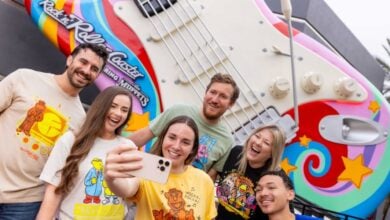
Some changes carry emotional weight. The Aerosmith version of Rock ’n’ Roller Coaster is closing. DINOSAUR won’t survive into Disney World’s next era. These attractions weren’t just rides—they were identity pieces.
Their departure represents more than replacement. It signals a broader shift in tone and audience, leaving longtime fans feeling unmoored.

Why Disney Trips Feel Less Carefree
The hardest loss may be intangible. Disney trips no longer unfold naturally. They require constant decision-making. Lightning Lane strategies dictate mornings. Finding seating becomes competitive. Food planning feels mandatory. Guests rush not for fun, but to justify the cost.
The magic still exists—but it no longer comes easily.
What Guests Are Really Mourning
By 2026, Disney World will still retain its familiar look. The icons remain. The music plays. Characters greet guests with smiles. However, the experience surrounding those moments has changed more rapidly than many expected.
What guests miss isn’t just what’s gone. It’s how simple everything used to feel. And that loss lingers long after the fireworks fade.