Disney's Programming Realignment
Disney has embarked on a notable programming realignment that focuses on shifting toward traditional values. This adjustment comes in response to significant backlash against its previous progressive themes and content.

Over the past few years, Disney has been criticized for incorporating what some view as “woke” elements into its storytelling. In recent months, the company has pivoted its strategy, focusing more on content that resonates with audiences who favor conventional narratives.
The outcome of this shift has been positive, with an impressive increase in viewer engagement and ratings. As Disney navigates these changes, it seeks to cultivate a viewer base that feels more aligned with its current programming, which avoids polarizing political themes and centers on family-oriented storytelling. The response has been encouraging, indicating that viewers welcome returning to more traditional entertainment options.
Breaking Down the Success of Shifting Gears
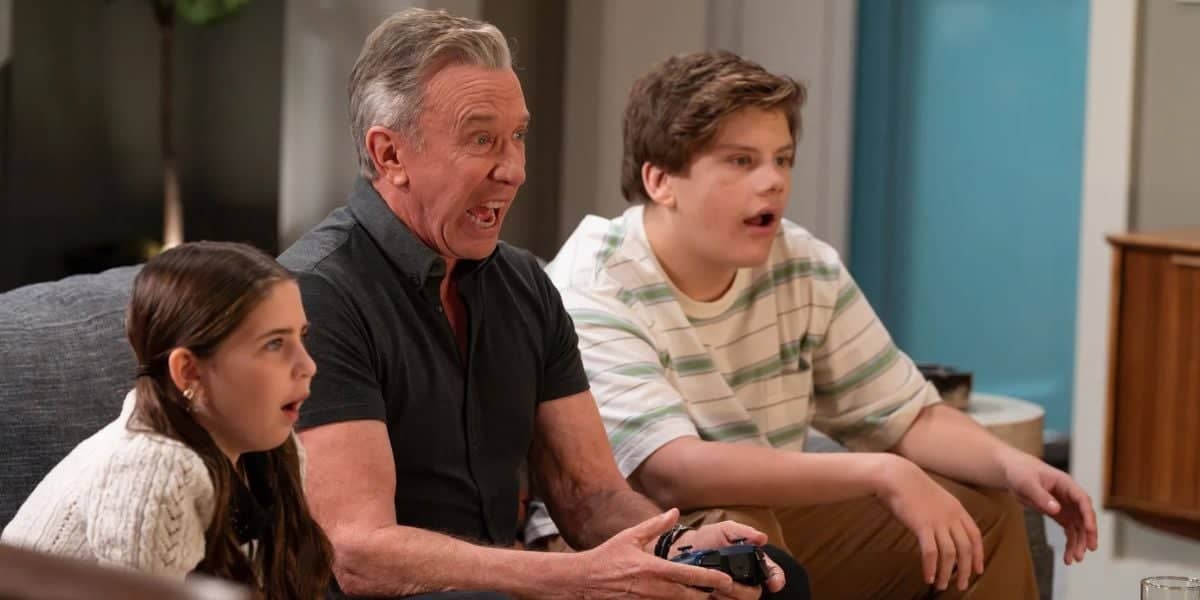
One of the standout successes of Disney's new approach is the sitcom “Shifting Gears,” featuring Tim Allen. The show is unapologetically anti-woke and has quickly garnered a vast audience, boasting over 10 million weekly viewers across ABC and Hulu. This impressive viewership places “Shifting Gears” among the top 20 most-watched shows on television, demonstrating its significant impact in a competitive landscape.
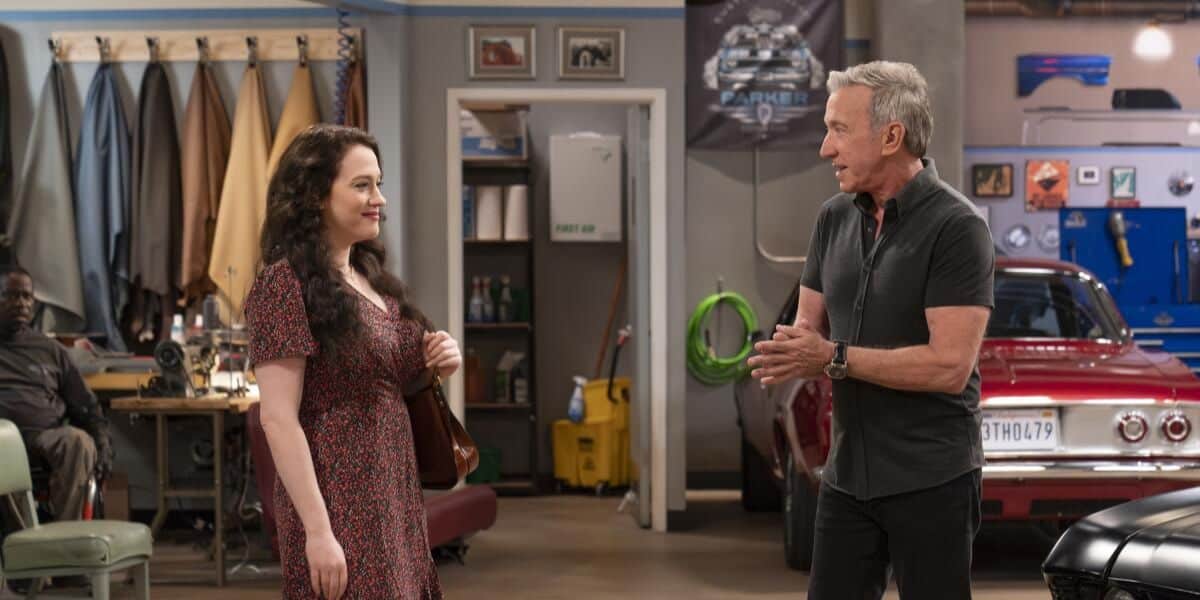
The series thrives on its relatable humor and authenticity, appealing to family-oriented viewers who appreciate the incorporation of traditional values. While many critics argue that the show perpetuates outdated stereotypes, supporters celebrate its candid representation of conservative viewpoints. This cultural impact reflects the polarized nature of contemporary media, where “Shifting Gears” has successfully tapped into an audience that feels underrepresented in mainstream narratives.
Political Influences on Disney's Content Strategy
The current political climate has been essential in shaping Disney's content strategy. Many observers note that the prevailing anti-woke sentiments and the so-called “Trump effect” have influenced the company’s programming choices. Critics of Disney's earlier stance—especially those who claimed it had “gone woke” during various political backlashes—have prompted the company to reevaluate its direction.

Disney's decision to cut politically charged storylines, such as removing a transgender plot from Pixar’s “Win or Lose,” highlights this pivot. In the wake of changes in leadership and public sentiment, key political figures have expressed mixed views on the company's move towards anti-woke narratives. Some see it as a necessary turn for broader appeal, while others criticize it as a retreat from progressive ideals. This dichotomy underlines Disney's complexities as it reconciles various audience expectations.
Future Directions for Disney's Content Creation
Looking ahead, Disney's content creation prospects suggest that the company may continue down its anti-woke path. Observers speculate that Disney will favor programming that caters more to conservative audiences, emphasizing family storytelling that reflects their values. As the company pivots further into this territory, it raises questions about how well it can balance traditional values with the inclusivity many viewers still seek.

Disney's challenge will be to maintain its long-standing reputation as a leader in family entertainment while adapting to a changing landscape of audience expectations. Striking this balance is crucial to preserving the company’s brand identity and legacy, particularly as it navigates the ongoing cultural conversations surrounding entertainment. With “Shifting Gears” leading the charge, the direction Disney takes in the coming years will be closely watched by both supporters and critics alike.