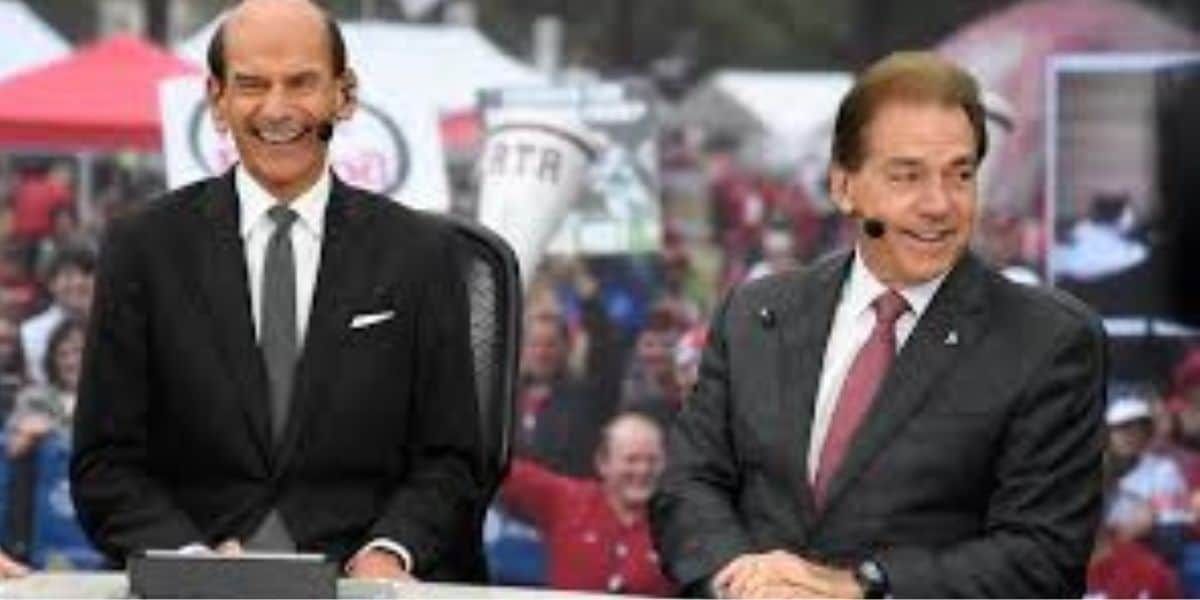
ESPN Faces Backlash Over Finebaum's Disappearance
Recent developments around Paul Finebaum, a prominent figure in college football commentary on ESPN, have triggered a firestorm of controversy. Following his remarks expressing interest in a potential Senate run as a Republican, Finebaum's absence from ESPN programming has raised eyebrows and ignited debates about censorship and corporate influence in sports media.

Notably, he hinted at this political ambition during a guest spot on a radio show hosted by Clay Travis, stating that Alabama has always felt like home to him. His announcement coincided with the vacancy left by former coach Tommy Tuberville's decision to run for governor of Alabama.
Finebaum has been a staple on ESPN for over a decade, offering insights focused on SEC games. His sudden lack of presence over the weekend diverged from his typical schedule, prompting speculation that ESPN, a subsidiary of Disney, might be sidelining him due to his political aspirations. Critics seized on this timing to suggest that Finebaum’s political inclinations were the reason for his abrupt absence from the airwaves, leading to broader discussions about the freedom of expression for media personalities.
ESPN's history of handling on-air talent with political viewpoints highlights a complex relationship between personal opinions and corporate branding. The network has faced backlash over how it manages the expressions of its personalities, especially those whose views diverge from mainstream sentiments or organizational interests. This precedent creates a challenging environment where political affiliations can influence decisions, affecting how talent like Finebaum is managed.
Social Media Reactions and Allegations
The situation gained traction on social media, particularly through claims made by Clay Travis. He accused ESPN of intentionally removing Finebaum following his Senate run announcement. This assertion quickly garnered attention and support from conservative circles, who viewed it as a testament to a broader trend of perceived censorship by prominent media organizations against conservative figures.
In the wake of these accusations, Bill Hofheimer, an ESPN spokesman, firmly denied any wrongdoing on the network’s part. He labeled Travis's comments as “totally false,” aiming to dismiss speculation and clarify that Finebaum's absence was not politically motivated. However, the denial didn’t significantly reduce the fervor among his supporters, who continue to express skepticism regarding the motivations behind ESPN's scheduling choices.
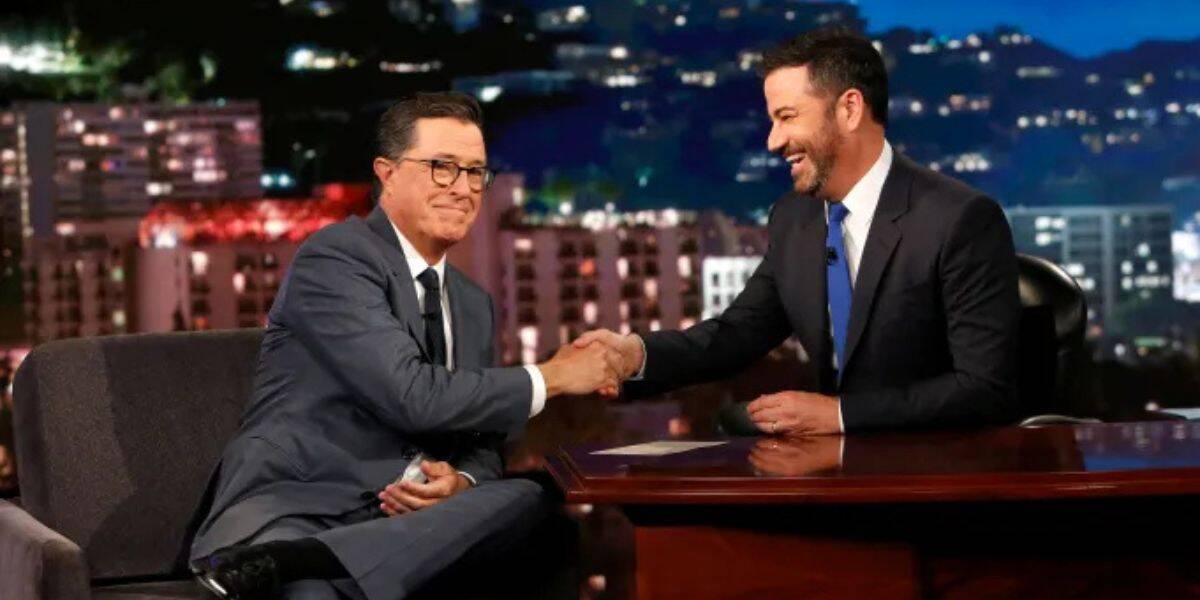
The broader political environment has impacted perceptions of Disney and ESPN, especially given past controversies. The company's handling of politically charged situations, including the reinstatement of late-night host Jimmy Kimmel, has amplified scrutiny from conservative audiences. Such dynamics complicate the relationship between sports commentary and political expression, pushing networks to navigate these turbulent waters carefully.
Broader Implications for Sports Media
The unfolding developments around Finebaum pose critical questions about corporate image and potential bias within media networks. The notion that ESPN might censor talent based on political affiliations challenges the integrity of its programming and evokes concerns about freedom of speech in sports commentary. Public opinion weighs heavily on media networks, so the implications for ESPN's brand and viewership might be profound, particularly among politically diverse audiences.
Many conservative viewers perceive Finebaum's situation as indicative of a larger pattern of bias against right-leaning opinions in the media. This demographic's response highlights the friction that exists between entertainment and political discourse in sports broadcasting. The perceived failure to support Finebaum's aspirations could alienate a section of ESPN's viewership, prompting calls for greater transparency in programming decisions.
Navigating the intersection of politics and sports media remains an ongoing challenge for ESPN and other networks. The potential for Finebaum’s political ambitions to influence his role at the network introduces complexities that challenge the established norms of sports commentary. As public scrutiny continues, the balance between entertaining audiences and respecting varied political views becomes increasingly crucial for maintaining brand loyalty.
Future Developments for Finebaum and ESPN
As speculation looms regarding Finebaum’s potential return to ESPN, many anticipate that pressure from his supporters, particularly in conservative circles, could significantly shape the outcome. His comeback would signal a pivotal moment for the network, reflecting its willingness to redefine its stance on political expressions among on-air talent.

The situation underscores a vital demand for ESPN to be transparent about how it handles politically charged narratives. As the network straddles the line between entertainment and political commentary, it faces the challenge of maintaining viewership while avoiding alienation. Increased clarity in decision-making might help restore faith among audiences concerned about censorship.
The landscape of sports commentary is evolving, especially as political affiliations increasingly permeate public perception of media brands. ESPN, Disney, and figures like Paul Finebaum find themselves at the forefront of a debate that transcends sports, delving into broader discussions about freedom, expression, and corporate governance. The challenges facing ESPN strengthen the discourse around the changing dynamics of media, particularly regarding the influence of politics on entertainment platforms.