

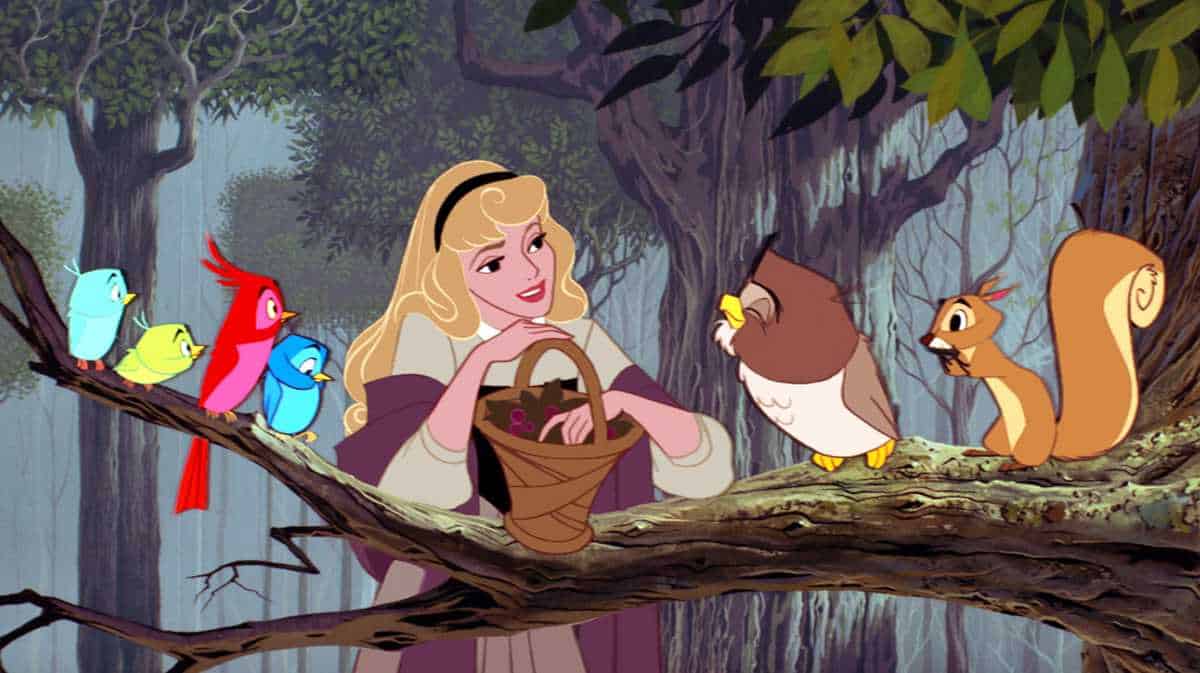
Disney may be preparing to revisit another one of its animated classics, but this time with a controversial twist. According to film insider @DanielRPK, the studio is reportedly developing a new project titled “Aurora,” described as “a reimagining of Sleeping Beauty, but set in Mexico.”
The news quickly spread after entertainment account @Cosmic_Marvel posted on X (formerly Twitter):
“Disney is reportedly developing a new film titled ‘AURORA’
Described as a reimagining of ‘Sleeping Beauty’, but set in Mexico.
(via @DanielRPK)”
Disney is reportedly developing a new film titled ‘AURORA’
Described as a reimagining of ‘Sleeping Beauty’, but set in Mexico.
(via @DanielRPK) pic.twitter.com/8ONyZMN8Qj
— Cosmic Marvel (@cosmic_marvel) November 4, 2025
That brief post was all it took to ignite a storm of conversation across social media. While some users were intrigued by the idea of a culturally specific retelling, others were quick to voice skepticism, frustration, and confusion about the concept—especially given Disney’s recent history with reimaginings of its own classics.
Divided Reactions Online
As the post gained traction, hundreds of replies poured in, many of which reflected a growing fatigue among fans who have seen a decade’s worth of Disney remakes, reboots, and “reimaginings.”
One of the most upvoted replies summed up a widespread sentiment:
“Why not come up with a new Disney princess that’s from Mexico?”
Another user echoed that frustration, adding:
“They already made an original Latina princess from one of their shows, I feel like a repackaged princess wouldn’t be original and is just a half assed idea.”
That’s a reference to Elena of Avalor, Disney’s first Latina princess introduced in the 2016 animated series of the same name. Elena was widely praised for bringing authentic Latin American influences into the Disney canon without needing to be tied to a pre-existing fairytale. Many fans online now feel that Aurora risks being seen as a step backward—an attempt to retrofit diversity into older properties rather than celebrating new, original stories.
Not everyone saw the rumor as a bad thing, though. A few commenters noted that the idea at least sounds more ambitious than some of the studio’s previous live-action efforts.
“At least the whole movie is set there than just a lazy gender change and doing nothing else. I feel ‘What if this fairytale was set in [blank]?’ is how they should’ve done these live action movies instead of just a watered down remake of the tale Disney already told.”
Others shared cautious optimism about the cultural backdrop, provided Disney commits to handling it authentically:
“I think this sounds fun. So long as they actually integrate Mexican culture into the film instead of just making the characters Mexican.”
But even with those glimmers of hope, many fans remain wary. One reply that captured the tone of skepticism read:
“They are so creatively bankrupt, a New Mexican Disney princess would be so much cooler.”
The Shadow of “Snow White”
The timing of this rumor couldn’t be more sensitive for Disney. The studio has been navigating an ongoing wave of scrutiny following the controversy surrounding its upcoming Snow White remake, starring Rachel Zegler.
The project, originally expected to be one of Disney’s biggest live-action releases, has instead become one of its most divisive. Zegler’s casting as Snow White—a Latina actress portraying a traditionally European fairy tale character—sparked debate over Disney’s approach to diversity and authenticity. While many applauded the inclusive casting choice, others felt the film was altering too many core elements of the story for the sake of modernization.
Zegler’s own comments in interviews added fuel to the fire. In one viral clip, she described the original 1937 film as “extremely dated” and suggested that her character would no longer “dream of true love” but instead “dreams of being a leader.” Those statements divided fans even further. Some appreciated the more empowered direction, while others accused Disney of abandoning what made the classic story timeless.
Adding to the backlash, early production photos appeared to show major design and tone changes—most notably the removal of the iconic seven dwarfs in favor of a diverse group of “magical beings.” Between these choices and the star’s public remarks, many now view Disney’s live-action strategy as creatively inconsistent and disconnected from what audiences actually want.
So when Aurora was rumored to be in development, the comparisons were immediate. Many online saw it as another potential flashpoint in Disney’s ongoing effort to modernize its fairy tale catalog.
What Could “Aurora” Be About?
No official confirmation from Disney has been made yet, and details remain scarce. Still, the idea of Sleeping Beauty transplanted into a Mexican setting opens up a range of possibilities.
If done thoughtfully, the project could merge the familiar beats of Sleeping Beauty with elements of Mexican folklore—perhaps reimagining the villainous Maleficent through the lens of regional mythology or weaving in pre-Columbian symbolism and colonial history. Visually, a Mexican Sleeping Beauty could be stunning, filled with vibrant architecture, traditional dress, and a color palette inspired by the country’s artistic heritage.
However, many fans fear the opposite—that Aurora could follow Disney’s recent pattern of stylistic re-skins rather than true reimaginings. As one user put it, people are tired of “just changing the setting without giving the story any real substance.”
It’s worth noting that the concept of culturally localized fairy tales isn’t new to Disney. The studio has long adapted European and Asian folklore into its films—Mulan, Frozen, Beauty and the Beast, and Moana all have deep cultural influences. The difference now is that audiences are far more critical of whether those influences are incorporated authentically or simply used as set dressing.
Why Fans Want Something New
This debate ties into a larger frustration about Disney’s creative direction. Over the past decade, the company has leaned heavily on live-action reinterpretations of its animated library. While a few of these—like Cinderella (2015) and The Jungle Book (2016)—were well received, others like The Little Mermaid (2023) and Pinocchio (2022) received mixed reactions for feeling redundant.
Many fans see Aurora as a missed opportunity to build something entirely new instead. Original hits like Encanto and Coco proved that audiences are hungry for fresh stories inspired by diverse cultures. Both films celebrated Latin American heritage in unique ways and were commercial successes—showing that original storytelling still resonates deeply.
That’s why the idea of rebranding Sleeping Beauty in a Mexican setting feels, to some, like a step backward instead of forward.
Until Disney officially comments on Aurora, it remains just a reported project—but the reaction it’s already stirred speaks volumes about where fans stand. The company’s attempts to modernize and diversify its legacy are colliding with an audience that wants authenticity over adaptation.
If Aurora truly is in development, Disney will need to decide whether it’s willing to take creative risks that honor both its heritage and the culture it seeks to represent. Because as the Snow White situation showed, even the most magical brand in the world can’t afford to sleep through a cultural wake-up call.