
Disney's Shift in Audience Targeting
Disney has made a remarkable strategic shift in its targeting of international audiences, focusing significantly on the Chinese market while seemingly neglecting the American audience. The release of Zootopia 2 exemplifies this approach, with substantial differences evident in box office earnings between the United States and China.
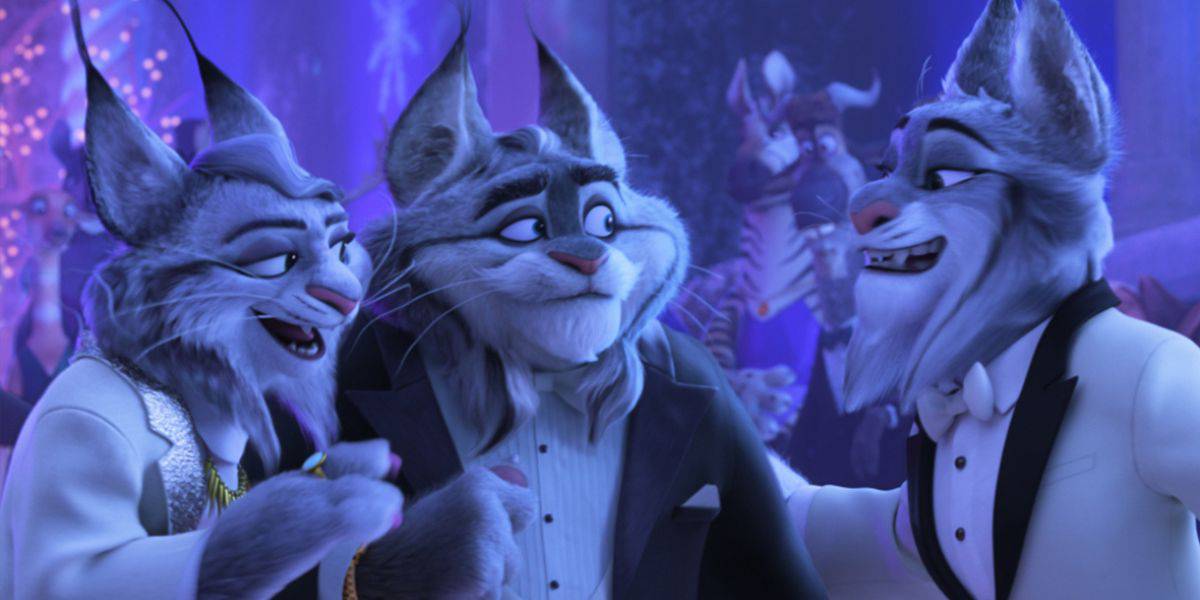
As of now, Zootopia 2 has grossed only about $230 million in the U.S. In stark contrast, the film has garnered over $480 million from Chinese audiences, illustrating a deliberate shift toward catering to a market that is increasingly playing a pivotal role in global box office success.
This shift indicates a broader trend as Disney adapts its marketing strategies to align with regional preferences. Such a move may redefine standards for future productions, contributing to a changing landscape in Hollywood.
Zootopia 2's Box Office Phenomenon
Zootopia 2 has achieved unprecedented box office success, making it one of Disney's most profitable releases in recent years. The film broke numerous records, becoming the best opening weekend for a U.S. film in China since 2021. Notably, it secured a staggering $104 million in a single day during its opening weekend, outperforming the previous record held by Avengers: Endgame.
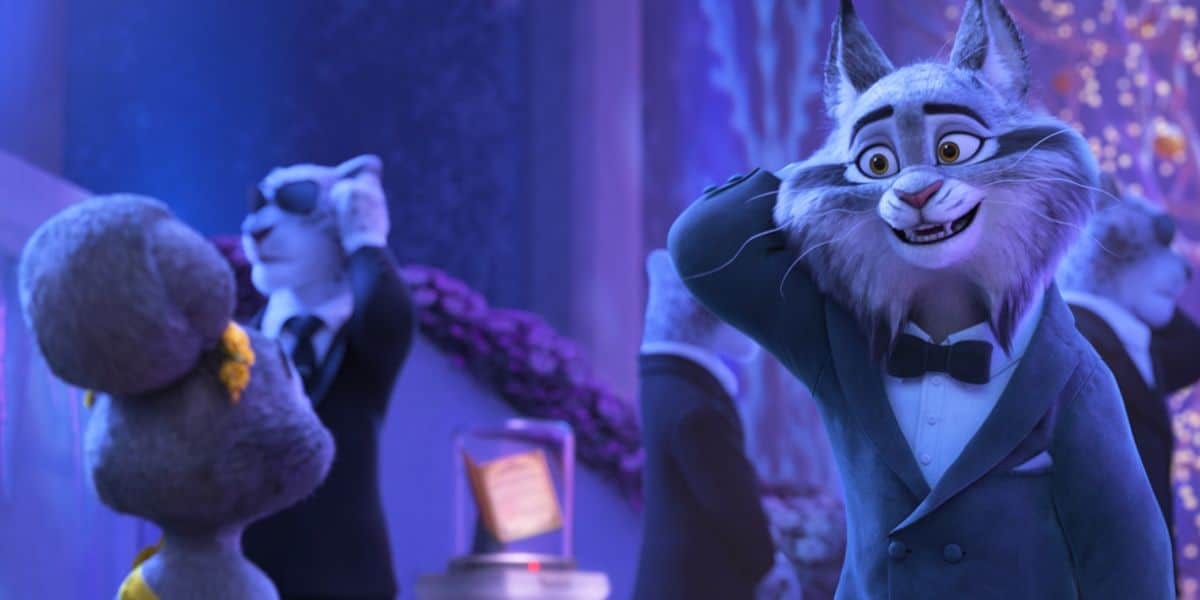
The juxtaposition of its earnings showcases an apparent disparity; while Zootopia 2 thrives in international markets, particularly in China, its performance in the American market remains underwhelming. This discrepancy highlights the implications of Disney's strategy to prioritize a growing Chinese audience at the expense of American viewers.
Cultural Elements Impacting Reception
The resonating success of Zootopia 2 among Chinese audiences can be attributed in part to the film's careful inclusion of cultural themes deeply rooted in Chinese values. Disney has intentionally woven elements of self-reflection, growth, and renewal into the narrative, aligning with the themes prevalent in the Chinese Year of the Wood Snake. These thematic aspects not only enhance the film's cultural relevance but also foster a stronger connection with viewers.

In addition to thematic inclusivity, Disney's decision to utilize the same voice actors from the original Zootopia for the film's local version reinforces familiarity and emotional engagement. This localized marketing strategy serves to deepen audience connection, enabling the characters' journeys to resonate more profoundly with their experiences.
Future of Disney's China Strategy
Looking ahead, Disney appears committed to refining its strategy within the Chinese market. The success of Zootopia 2 is indicative of larger trends, prompting anticipation for upcoming releases such as Avatar: Fire and Ash and Avengers: Doomsday. These films may capitalize on the momentum generated by Zootopia 2, potentially ensuring continued engagement with a market that shows promising growth.

However, this focus on the Chinese audience raises questions about the implications for the broader Hollywood landscape. As Disney's success attracts attention, other studios may emulate similar strategies, shifting the focus of productions to meet local preferences in international markets. This trend suggests a future where understanding cultural nuances and audience desires will become increasingly critical for Hollywood's sustainability in the global cinema market.
While Zootopia 2 has undoubtedly shattered box office records and catered to a Chinese audience with remarkable success, the ramifications of this strategic pivot suggest a new direction for Disney and potentially for the entertainment industry as a whole. As the balance shifts, American audiences may find themselves sidelined in favor of regional strategies aimed at appealing to more lucrative markets.