Doomsday has been hanging over the Marvel universe for a long time now. Not loudly, but persistently. Threads have been pulled. Stories have twisted. Characters have slipped away and returned changed. Fans have watched the pieces move, believing they understood the endgame.
Then Disney altered the board.
Instead of revealing another cast member or teasing a hidden cameo, Marvel made an adjustment of a more fundamental nature. The title and logo associated with its next Avengers film have shifted, and that small change carried a surprisingly big impact.
To understand why, it helps to revisit what Avengers: Doomsday (2026) is meant to be.

A Story Designed to Break the Multiverse Open
Marvel has not treated Avengers: Doomsday (2026) like a routine sequel. Everything suggests that it serves as the collision point for the Multiverse Saga.
Heroes from across the MCU and beyond are expected to converge, including some familiar faces and others who have been long separated by studio history. Every storyline seems aimed at forcing these characters into the same fight.
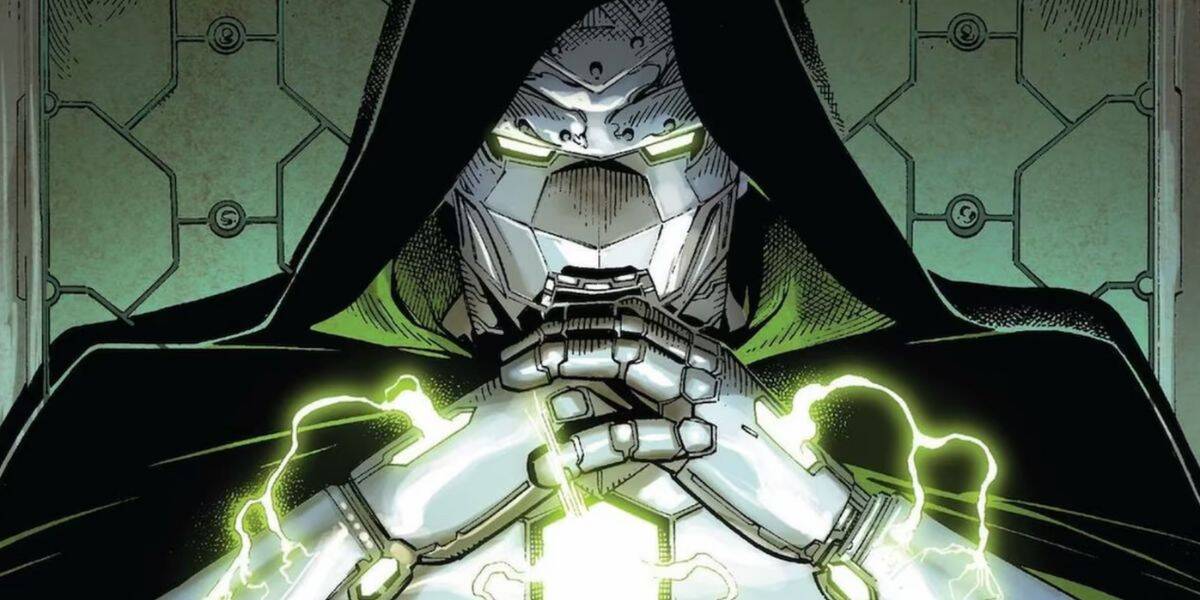
That fight centers on Doctor Doom, portrayed by Robert Downey Jr. This version of Doom does not lurk. He confronts. Marvel appears to be building him as the defining force of the film, shaping every decision and alliance around his presence.
There is also growing chatter that Doom’s influence extends beyond himself. Whether through allies, controlled heroes, or fractured realities, the scope of the threat feels intentionally overwhelming.
Legacy Characters Change the Stakes
Excitement has surged as Marvel confirmed the return of legacy characters. James Marsden’s Cyclops and Rebecca Romijn’s Mystique are officially back, signaling that Marvel is not limiting itself to recent history.
When those characters share space with Thor (Chris Hemsworth) and newer heroes like Yelena Belova (Florence Pugh), the crossover becomes something bigger than a single franchise moment. It becomes a statement that Marvel’s entire cinematic legacy matters.
That confidence made the original Avengers: Doomsday (2026) branding feel permanent. Until it wasn’t.

A Translation That Reframes the Story
In Brazil, the film surfaced with a revised title card. Visually, it stayed consistent. Textually, it did not.
The Portuguese title “Vingadores: Doutor Destino” translates directly to Avengers: Doctor Doom. The shift removes subtlety and replaces it with clarity.
Rather than suggesting disaster, it names the source outright.
Some fans viewed that as too blunt. Others appreciated the honesty. Either way, it instantly reframed expectations.

Why Directness Changes Perception
The original English title leans on implication. “Doomsday” signals destruction without spelling out the cause. The international version strips that mystery away.
By naming Doom directly, Disney reframes the film as a villain-driven event. That choice suggests Marvel believes Doom alone can carry the weight of the story.
It is a bold move, and it does not go unnoticed.
Fans Push Back and Lean In
Reaction online reflected that divide. Some fans criticized the translated title as awkward or lazy. Others proposed alternatives that preserved the emotional weight without explicitly naming Doom.
At the same time, many fans welcomed the shift. For them, it confirmed what Marvel had already been signaling. Doom is the draw. Hiding him no longer makes sense.
Everything Rides on 2026
Avengers: Doomsday (2026) arrives seven years after the last Avengers film. During that time, Marvel’s output has received both praise and criticism. This movie has to unify audiences again.
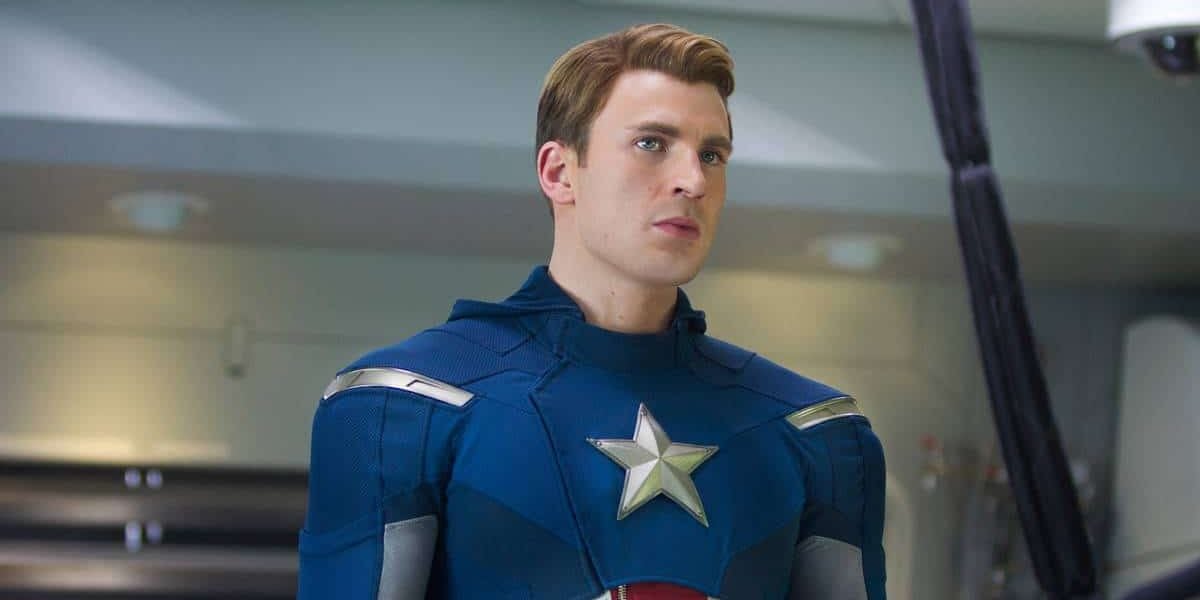
Marvel is treating it accordingly. Four teasers will rotate weekly during the early theatrical run of Avatar: Fire and Ash (2025). One highlights Chris Evans’ return as Steve Rogers, while others focus on Thor, the X-Men, and Doctor Doom.
Internationally, Disney may continue emphasizing Doom even more strongly. This is not a studio hedging its bets. It is a studio committing fully.
Doomsday is coming. And Marvel wants everyone to understand who is driving it.