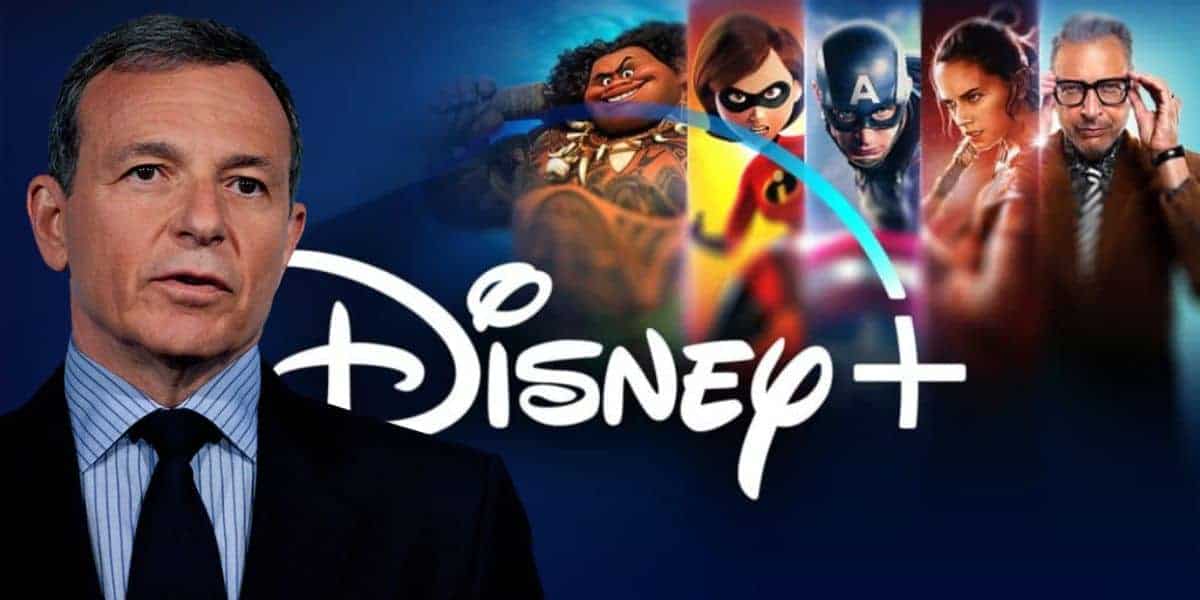
Disney is making a quiet but meaningful shift in how it wants audiences to use Disney+. For years, the platform has functioned primarily as a traditional streaming service—a place people visit when they’re ready to watch a movie or sit down for a full episode. Now, Disney is signaling that model may no longer be enough.
The company has confirmed plans to introduce vertical video into Disney+, a move that brings the platform closer to the short-form, scroll-driven experiences popularized by TikTok, Instagram Reels, and YouTube Shorts. While Disney isn’t building a social network in the traditional sense, the direction is clear: Disney+ is being reshaped to encourage daily engagement rather than occasional visits.

Why Disney Thinks Streaming Needs to Change
The streaming landscape has shifted dramatically since Disney+ launched. Audiences—especially younger viewers—no longer separate “watching TV” from scrolling content on their phones. Short-form video has become part of everyday behavior, and platforms that succeed today are the ones that feel habitual.
Disney executives have been open about wanting Disney+ to become a “must-visit daily destination.” Vertical video plays directly into that goal. Short clips are easier to consume, easier to personalize, and far more likely to bring users back multiple times a day.
This isn’t about replacing movies or series. It’s about filling the gaps between them.
What Vertical Video Could Look Like on Disney+
Disney has left the door wide open on how these videos will actually appear. They could take the form of original short-form programming, repurposed moments from existing films and shows, behind-the-scenes content, or curated clips designed specifically for vertical viewing.
Importantly, Disney has stressed that this content won’t feel random or bolted on. The company wants vertical video to fit naturally into how users already navigate the app, rather than interrupting the experience.
That philosophy mirrors how other platforms evolved. YouTube didn’t abandon long-form video when it introduced Shorts—it layered a new habit-forming experience on top of what already worked.
ESPN Tested the Waters First
This strategy isn’t entirely new for Disney. ESPN has already experimented with vertical video in its app, giving Disney valuable insight into how users interact with short-form content in a traditionally long-form environment.
Those early lessons appear to have shaped Disney’s thinking. Vertical videos aren’t being treated as trailers or promotional tools. Instead, they’re being positioned as standalone content—something worth watching on its own.
That distinction matters. If users feel they’re just being marketed to, engagement drops quickly. Disney seems intent on avoiding that pitfall.

Advertising Is a Major Factor
There’s also a business reason behind the shift. Short-form feeds create more opportunities for advertisers, more data points, and more ways to blend brand messaging into content without breaking the experience.
By building a more dynamic, personalized feed, Disney strengthens its advertising ecosystem while keeping users inside its own platform rather than losing attention to third-party apps.
A New Phase for Disney+
Disney isn’t trying to become TikTok. But it is clearly adopting the same core idea: meet audiences where they already are and design experiences around how they actually behave.
If successful, this move could redefine Disney+—not as a place you visit for a movie night, but as an app you open every day without even thinking about it.