Law enforcement agencies managing large sporting events face increasingly complex security challenges as attendance grows and venues expand across wider geographic areas. Marathon races present particularly difficult scenarios because participants spread across lengthy courses that wind through varied terrain, cross multiple jurisdictions, and require temporary closure of public infrastructure like roads and highways. Traditional security methods involving stationary observation posts and mobile patrols provide limited visibility across courses that can span 26.2 miles for full marathons, leaving significant gaps in real-time situational awareness. Recent technological advances have introduced aerial surveillance capabilities that fundamentally change how security teams monitor and respond to developing situations during races, providing comprehensive overhead perspectives that complement ground-level personnel.
During the 2026 Walt Disney World Marathon Weekend, the Orange County Sheriff's Office implemented drone surveillance for runDisney races for the first time since these events began. The deployment represents a significant shift in security strategy for races that navigate through Disney theme parks, behind-the-scenes areas, and across temporarily closed roadways spanning the resort's extensive property. The decision to introduce aerial monitoring reflects both evolving security practices in sports event management and specific considerations related to the unique environment Walt Disney World presents for marathon organizers and law enforcement partners.
Operational Details of the Drone Program
Four drone pilots from the Orange County Sheriff's Office conducted surveillance operations throughout the marathon weekend, which featured multiple races held between January 8 and January 11. The event schedule included a 5K race, 10K race, Half Marathon, and full Marathon, each requiring distinct course configurations and security considerations based on distance and participant volume.
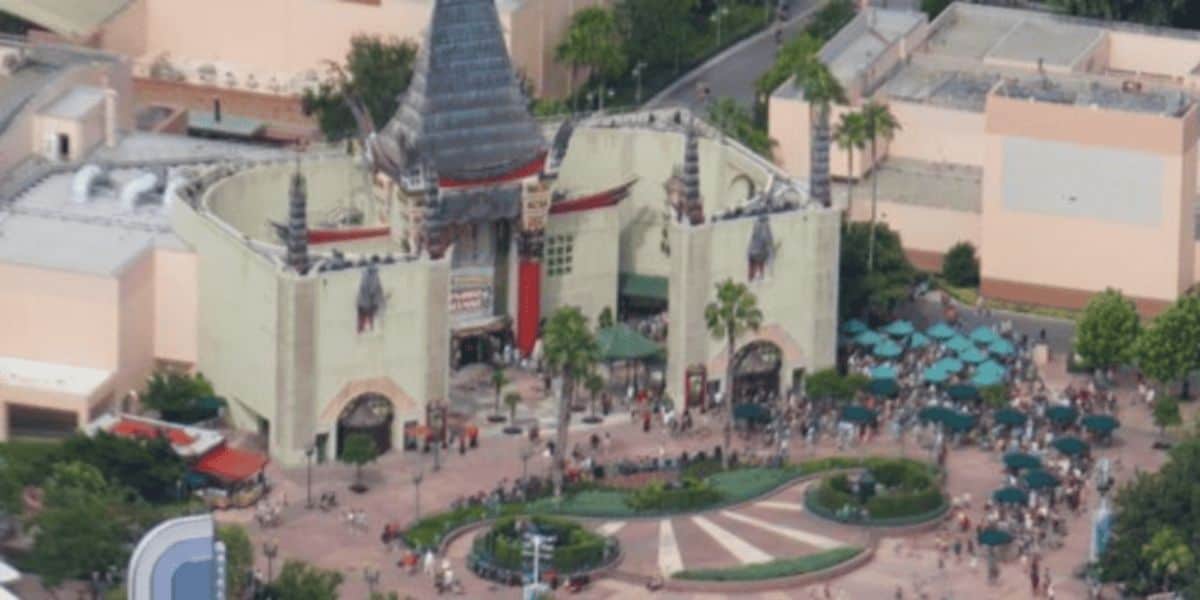
Corporal Andrew Pupo served as one of the drone pilots assigned to the event and captured aerial imagery of all four Walt Disney World theme parks along with footage of runners navigating the various courses. The Orange County Sheriff's Office subsequently shared these images publicly, demonstrating the unique vantage point aerial surveillance provides for monitoring both participant safety and overall event operations.
Operating drones above Walt Disney World property required specific authorization from the Federal Aviation Administration. Disney maintains strict prohibitions against drone usage on its property under normal circumstances, making the FAA approval process necessary before law enforcement could deploy this technology during marathon weekend. The authorization granted to the four pilots represents a carefully controlled exception to standard airspace restrictions rather than routine operational procedure.
Course Complexity Driving Security Needs
Understanding why drone surveillance proved valuable for this event requires recognizing the unusual security environment Walt Disney World Marathon Weekend creates. Race routes guide participants through active theme parks where thousands of other guests simultaneously visit attractions and navigate walkways. Runners access backstage areas containing operational infrastructure, maintenance equipment, and support facilities that guests don't typically see or interact with during normal park visits.
Perhaps most significantly, the races require extensive road closures across Disney property. Major thoroughfares that normally accommodate substantial vehicle traffic must shut down completely for hours, redirecting buses, cars, and emergency vehicles while runners occupy these roadways. This fundamental transformation of traffic patterns creates security scenarios where traditional vehicle-based monitoring becomes impossible and foot patrols cannot cover sufficient distance quickly enough to maintain comprehensive awareness.
Drone surveillance addresses these challenges by providing continuous aerial oversight across the entire course simultaneously. Security coordinators monitoring drone feeds can observe runner distribution patterns, identify developing crowd concentrations at water stations or transition points, and detect potential issues requiring ground personnel response. The aerial perspective reveals situations that ground-level observers simply cannot see due to terrain, buildings, or distance limitations.
Enhanced Security Following Recent Incidents
The introduction of drone surveillance for the 2026 marathon weekend occurs during a period of heightened security consciousness across Walt Disney World. Two fatalities have already occurred on Disney property in 2026, both taking place at Disney Springs during early January. While these tragic events bear no connection to runDisney activities, they underscore the continuous security challenges that exist even in carefully managed resort environments.
When thousands of marathon participants run through theme parks and occupy closed roadways, security considerations intensify considerably. Medical emergencies can develop anywhere along lengthy courses requiring rapid emergency response. Unauthorized vehicles could potentially breach road closure perimeters. Participants might encounter hazards in backstage areas not designed for public access. Each scenario benefits from the real-time intelligence aerial surveillance provides.
Drone operators can immediately locate runners experiencing medical distress and guide emergency responders to exact positions via optimal routes. If vehicle access control fails and cars enter closed roadways, aerial monitoring identifies the breach instantly, allowing coordination of interception before dangerous encounters occur. Should crowd safety issues emerge at any course location, security teams receive immediate visual intelligence enabling appropriate personnel deployment decisions.
Regulatory Framework and Disney Policy
The FAA authorization process required before Orange County Sheriff's Office could operate drones during marathon weekend highlights the strict regulatory environment governing airspace above Walt Disney World. The resort's general prohibition against drone operations protects guest privacy, prevents interference with attraction systems, and maintains the immersive themed environments Disney designs its parks to create.
Law enforcement use during major events constitutes a specific, limited exception to this prohibition rather than a precedent for routine drone operations. The FAA evaluated operational plans, safety protocols, and security justifications before granting authorization for the four pilots to conduct surveillance during race days. This review process ensures that even when drones operate above Disney property for legitimate law enforcement purposes, they do so under controlled conditions with appropriate coordination between multiple agencies.
Guests should not anticipate seeing drones routinely operating above theme parks during standard operations. Marathon weekend presented unique circumstances where security requirements justified temporary deviation from normal airspace policies through proper regulatory channels and multi-agency coordination.
Implications for Future Events
The operational experience gained during the 2026 Walt Disney World Marathon Weekend will likely inform security planning for subsequent runDisney events. If drone surveillance proves effective for managing the complex security scenarios these races create, expanding its deployment to future marathon weekends and potentially other large-scale Disney events follows logical progression.
For participants focused on race performance, drone presence likely went unnoticed during the event itself. Effective security enhancement operates unobtrusively, improving safety without creating disruptive or intrusive experiences for runners attempting to achieve personal goals. Aerial surveillance achieves this balance by functioning at altitudes and distances that don't interfere with race activities while still providing comprehensive monitoring capabilities security teams require.
The technology represents one component of broader security infrastructure that includes ground personnel, medical support, communications systems, and coordination protocols developed over years of runDisney event management. Drone surveillance supplements rather than replaces these existing elements, adding an aerial dimension that enhances overall situational awareness without fundamentally altering the runner experience.
Were you among the participants in the 2026 Walt Disney World Marathon Weekend? Share your perspective on the race experience in the comments below. Did the drone surveillance register during your run, or were you too absorbed in your performance to notice overhead monitoring? And for those who've completed multiple Disney marathons over the years, how did this event compare to your previous race experiences? Your insights help other runners understand what to expect and contribute to discussions about how security measures affect participant experiences at these popular events.