Guests arriving at the 2026 EPCOT International Festival of the Arts discovered operational changes that significantly affect how they purchase food and beverages throughout the event.

The festival, which runs from January 16 through February 23, has implemented a cashless payment system at most Food Studios while simultaneously shifting to tax-excluded pricing displays. These modifications represent the most substantial changes to festival payment procedures since the event debuted in 2017, requiring visitors to adjust their planning strategies and budgeting approaches. While Disney has gradually introduced cashless systems across various resort locations over recent years, the comprehensive application at festival-specific Food Studios marks a decisive shift away from the hybrid payment options that previously accommodated both cash and card users. Understanding how these changes impact the guest experience becomes essential for anyone planning to sample the creative culinary offerings that define this winter celebration.
The payment policy adjustments affect every aspect of festival dining, from initial budgeting calculations to the actual transaction process at Food Studio locations. Guests accustomed to the convenience of using cash at previous festivals now face different procedures that require advance preparation and awareness of alternative payment methods.
Cashless Operations at Food Studios
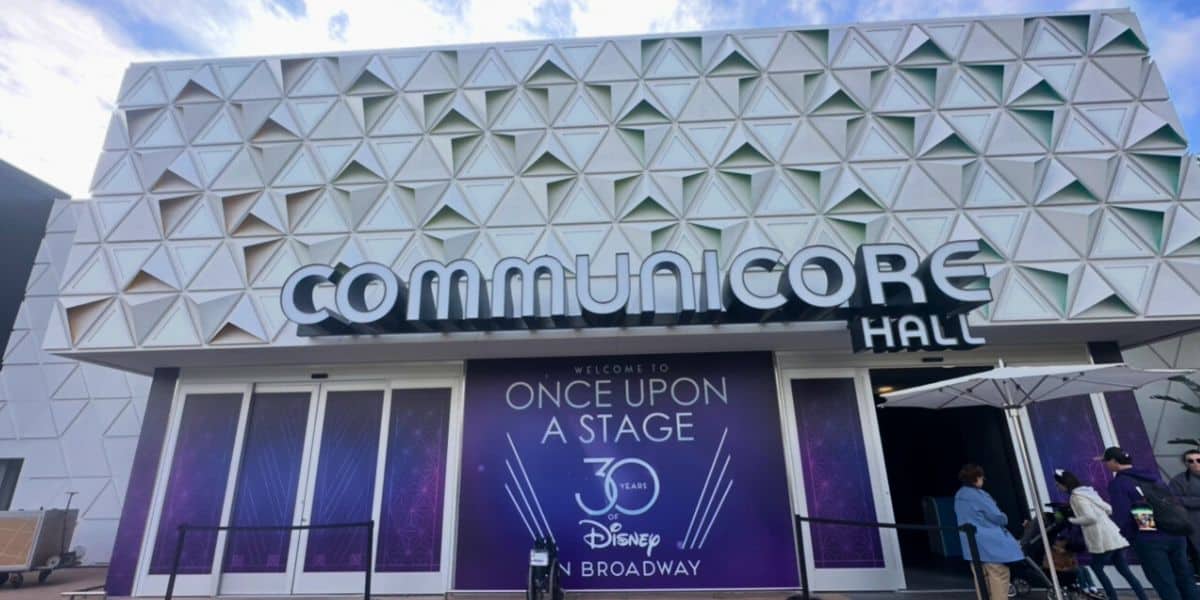
The 2026 festival has transitioned most, if not all, Food Studio locations to cashless payment systems. Credit cards, debit cards, and mobile payment platforms including Apple Pay and Google Pay are accepted, as are Disney gift cards. Physical currency, however, is no longer an option at these festival booths, representing a complete departure from previous years when cash transactions were standard practice.
Disney's official guidance encourages guests who prefer gift card payments to purchase or reload cards before approaching Food Studio locations. The complication arises because festival booths cannot process cash for gift card purchases or reloads. Guests carrying only cash must locate retail stores elsewhere in the parks that handle gift card transactions, complete their purchase or reload, and then return to the festival areas. This creates an inconvenient loop that interrupts the festival experience and consumes time that could otherwise be spent enjoying attractions, shows, or additional food sampling.
The cashless mandate aligns with post-pandemic operational trends across the hospitality and entertainment industries. Venues cite reduced cash handling costs, faster transaction processing, and improved accounting accuracy as primary motivations for eliminating currency. Theme parks specifically benefit from decreased cash logistics, including armored car services, counting procedures, and security concerns associated with large cash volumes moving through numerous transaction points.
International visitors face particular challenges with cashless systems. Payment cards issued outside the United States sometimes encounter processing difficulties with American terminals, and currency conversion fees add unexpected costs to transactions. Guests who budget using cash envelopes for daily spending lose the tangible control mechanism that physical currency provides, potentially leading to higher overall expenditures throughout the festival.
Tax-Excluded Menu Pricing
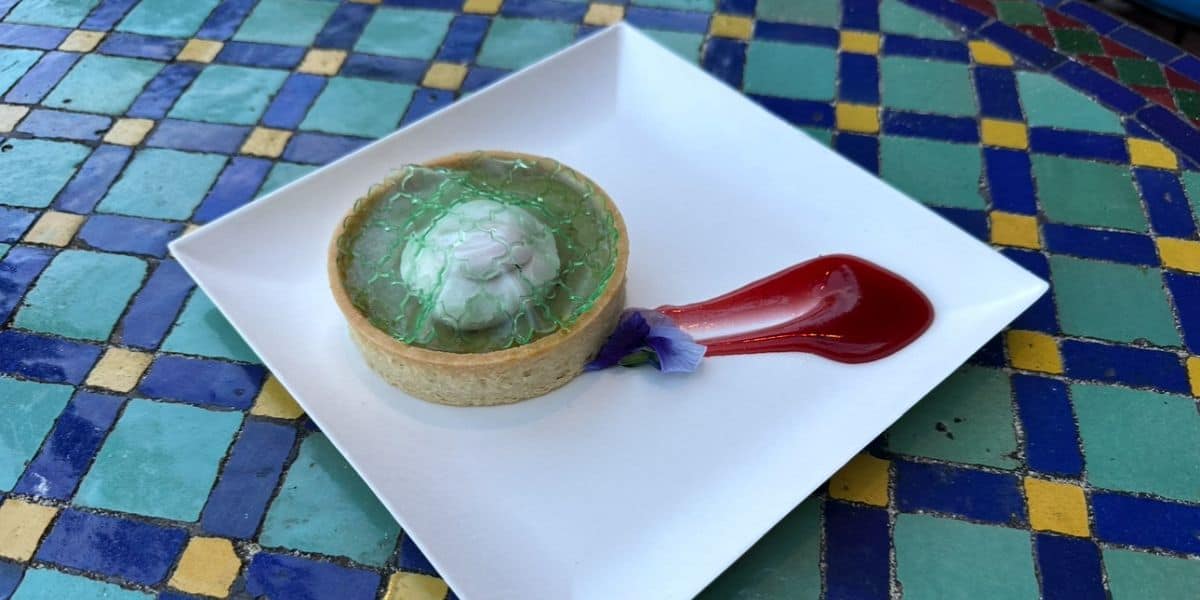
The second major change involves how Food Studios display prices on their menus. All 2026 EPCOT International Festival of the Arts locations show prices that exclude sales tax. Previous festival iterations typically included tax in displayed prices, allowing guests to know their exact payment amount before ordering. The new system requires guests to calculate an additional 6.5 percent on every purchase, as Orange County, Florida applies this rate to food and beverage sales.
The mathematical impact appears modest on individual items but accumulates across multiple purchases. A dessert listed at $5.29 costs $5.63 after tax. A $10.75 entrée becomes $11.45. For a family planning to sample multiple Food Studio offerings throughout the day, these incremental additions create meaningful differences between anticipated and actual spending. A guest budgeting $80 for festival food based on menu prices will pay approximately $85.20 after tax calculations.
This pricing display method matches standard restaurant practices where tax is added at the point of sale rather than incorporated into menu prices. However, it represents a shift from established EPCOT festival procedures and requires adjustment from returning guests familiar with the previous all-inclusive pricing model. The change also complicates real-time budgeting decisions as guests evaluate whether to purchase additional items based on incomplete price information.
Behavioral economics research demonstrates that tax-excluded pricing psychologically influences purchasing decisions. Consumers perceive lower initial prices more favorably even when they understand tax will be added, and the delayed revelation of the true cost reduces the psychological pain associated with spending. Whether Disney implemented this change primarily for operational consistency or recognized the potential spending increase it might generate remains unclear, but the psychological effects are well-documented across retail environments.
Operational Impact on Guest Experience
These combined policy changes create a series of practical considerations for festival attendees. Payment method verification becomes critical before arriving at Food Studio locations. Guests should confirm that their credit or debit cards process correctly in U.S. payment systems, particularly international visitors whose foreign-issued cards may encounter compatibility issues. Having backup payment options prevents situations where guests must abandon their place in line to resolve payment problems.
For Disney gift card users, advance planning is now mandatory rather than optional. Purchase or reload gift cards at retail locations before entering the festival areas to avoid mid-visit interruptions. The My Disney Experience app theoretically allows gift card management, but technical reliability varies, and connection issues during peak attendance periods can render the app temporarily unusable. Physical retail transactions, while less convenient, provide more reliable results.
Budget calculations must account for the 6.5 percent tax addition on every purchase. Guests planning their festival spending should increase their anticipated totals by approximately 7 percent to avoid exceeding their intended expenditure limits. This adjustment becomes particularly important for families with multiple members who each want to sample different Food Studio offerings, as the cumulative effect of tax on numerous small purchases creates larger-than-expected total charges.
Mobile ordering through the My Disney Experience app functions at select festival locations, though not comprehensively across all Food Studios. When available, mobile ordering displays tax-inclusive final prices before order confirmation, providing clearer cost information than in-person menu boards. However, app functionality during busy festival periods can be unreliable, and technical glitches sometimes necessitate reverting to traditional ordering methods at the physical booth location.
Strategic Considerations for Festival Visitors
The payment policy modifications influence how guests should approach their festival experience. Understanding menu pricing structures allows for more informed decisions about which Food Studio offerings provide the best value relative to their post-tax cost. Items with higher base prices see more significant tax additions in absolute dollar terms, potentially shifting the cost-benefit analysis compared to lower-priced options.
The cashless requirement eliminates certain budgeting strategies that rely on physical currency allocation. Guests who previously brought a specific cash amount to limit their festival spending must now rely on credit or debit cards where the psychological barriers to additional purchases are lower. Studies consistently demonstrate that card users spend more than cash users in comparable situations because the transaction feels less tangible and immediate.
Gift cards can restore some psychological spending control by pre-loading a specific amount designated for festival purchases. Once the gift card balance is exhausted, spending stops unless the guest makes a conscious decision to reload. This approximates the limiting function that cash previously provided while conforming to the new cashless requirements.
Timing festival visits during less crowded periods helps mitigate some payment-related inconveniences. Shorter lines at both Food Studios and retail locations that sell gift cards reduce the time cost associated with navigating the new payment procedures. Weekday visits, particularly Tuesday through Thursday, generally see lower attendance than weekends, creating more favorable conditions for managing payment logistics.
The Value Equation Under New Policies
The EPCOT International Festival of the Arts continues offering unique culinary creations unavailable during standard park operations. Items like the Croque Monsieur-inspired Grilled Cheese at Pop Eats and the Peppercorn-crusted Striploin at The Artist's Table represent festival highlights that justify their price points even after tax additions. These offerings combine quality ingredients with generous portion sizes and creative presentations that deliver value despite the payment policy changes.
Conversely, some menu items face more critical evaluation under the tax-excluded pricing structure. The Wagyu Bun at Goshiki carries a $10.75 base price that becomes nearly $11.50 after tax. Guest reviews describing inconsistent quality and small portion sizes suggest this item may not represent optimal value at its true cost. Similar analysis applies to other higher-priced offerings where the post-tax amount approaches or exceeds quick-service restaurant entrées that provide larger portions.
The festival runs through February 23, providing multiple weeks for guests to visit during varied crowd conditions. Early festival periods often see lighter attendance as word spreads about new offerings, while later weeks may draw larger crowds as the end date approaches and guests rush to experience items before they disappear. Timing visits strategically allows for better navigation of both crowd levels and payment procedures.
Prepare your payment methods in advance, understand that displayed prices require tax additions, and plan your gift card strategy if that's your preferred approach. The festival's culinary creativity remains its primary draw, and these payment changes, while requiring adjustment, shouldn't prevent you from enjoying what makes this event special. Just make sure you've got a working card and a realistic budget that accounts for that extra 6.5 percent on everything you order. The food is worth it, but the bill might surprise you if you're not paying attention to the math.