
In the world of corporate finance, a “Proxy Statement” is usually a dry document filled with executive compensation tables and board biographies. However, the Disney 2026 Proxy Statement has become a lightning rod for a much more emotional and social issue: the right to accessible “magic.”
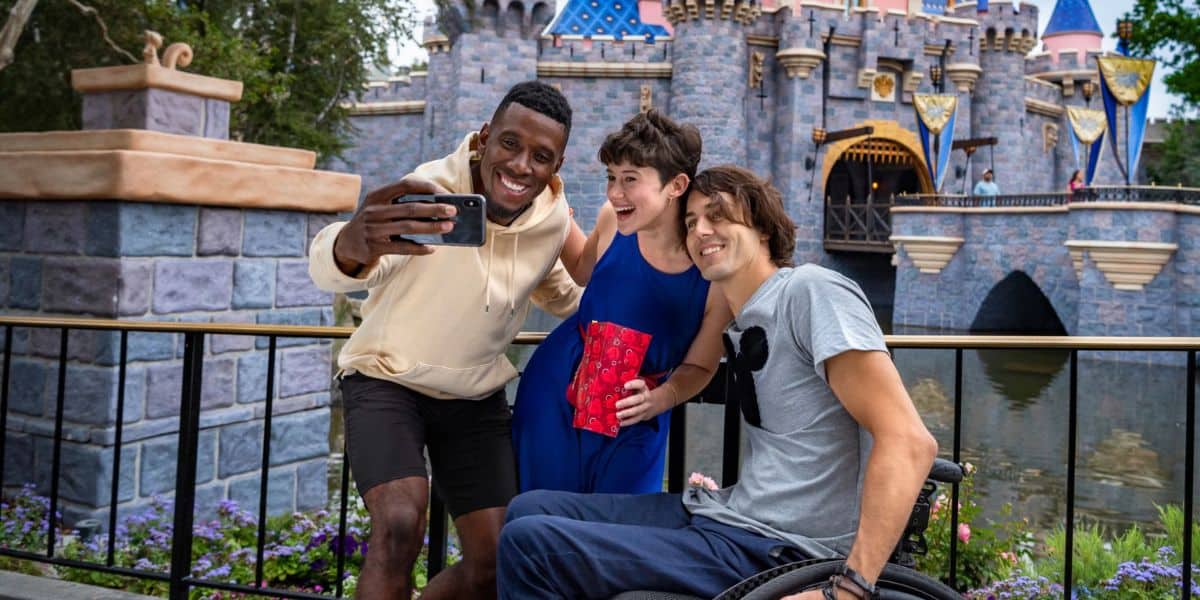
As shareholders prepare for the 2026 Annual Meeting, The Walt Disney Company is officially urging a “No” vote on a proposal that would require a formal impact report on its Disability Access Service (DAS). This recommendation highlights a growing tension between Disney’s drive for operational efficiency and the community’s demand for transparency in how the company treats its most vulnerable guests.
The Shareholder Proposal: A Call for Data
The proposal in question, brought forward by a group of socially conscious investors, asks for a simple but profound thing: Transparency. Specifically, it requests that Disney’s Board of Directors oversee a report evaluating the fallout from the massive DAS policy changes implemented in 2024.
Shareholders are asking for specific metrics, including:
- The Denial Rate: How many guests who applied for DAS in the last year were rejected?
- Alternative Efficacy: Are the “Return to Queue” and “Location Return” options actually working for guests with non-developmental disabilities?
- Reputational Risk Assessment: How has the negative press surrounding DAS rejections affected Disney’s brand value and guest loyalty?
For the proponents of this report, the goal is to ensure that Disney isn't sacrificing its “gold standard” reputation for accessibility in a short-sighted attempt to lower Lightning Lane wait times.
The Disney Rebuttal: “Redundant and Unnecessary”
Disney’s Board of Directors has been quick to push back, formally recommending that shareholders reject the proposal. Their argument centers on the idea that the company is already doing the work and doesn't need a shareholder-mandated report to tell them how to run their parks.

1. Curbing “System Abuse”
Disney’s primary defense for the 2024 overhaul—and its resistance to the report—is the preservation of the guest experience. Before the rules were tightened, DAS usage had reportedly tripled over five years. Disney leadership argues that much of this growth was driven by fraud and “misuse,” which clogged the Lightning Lanes and devalued paid products like Lightning Lane Multi Pass.
2. The Medical Expertise Argument
Disney also emphasized that they are not making these decisions in a vacuum. By partnering with Inspire Health Alliance, Disney employs health professionals to conduct the video interviews for DAS eligibility. The Board argues that because medical experts are baked into the process, a corporate report on “impact” is redundant.

3. Operational Integrity
From a business standpoint, Disney argues that they have found the “right balance.” By limiting DAS primarily to those with developmental disabilities like autism, they have significantly reduced the number of guests bypassing standby lines, thereby improving the accuracy of posted wait times for the general public.
The Invisible Disability Crisis: What Disney Isn't Saying
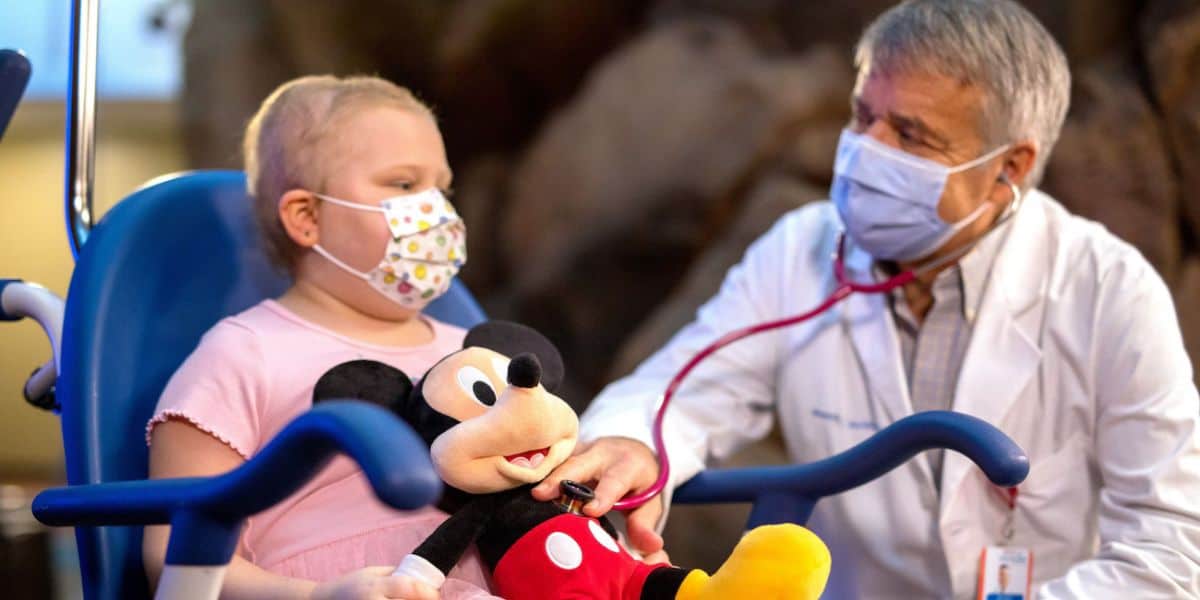
While Disney talks about “fraud prevention,” the shareholders behind the proposal are focused on the “Invisible Disability Crisis.” Under the 2024 rules, guests with chronic medical conditions—such as Crohn’s disease, Multiple Sclerosis, Postural Orthostatic Tachycardia Syndrome (POTS), and Stage 4 Cancer—have reported being systemically denied DAS. Disney’s “alternative” is usually the “Return to Queue” feature, which allows a guest to leave a line and return later.

However, advocates argue that this is a “false choice.” For someone with severe anxiety or mobility-limiting chronic pain, navigating through a dense 90-minute standby line just to leave and come back is often more taxing than the wait itself. Shareholders worry that by refusing to report on these specific cases, Disney is ignoring a massive legal liability under the Americans with Disabilities Act (ADA).
The Financial Stakes: Brand Loyalty vs. Bottom Line
Why is this a shareholder issue? Disney’s brand is built on Universal Design. For decades, families with disabled members chose Disney because it was the one place they didn't have to “fight” for basic accommodations.
If the 2026 Proxy vote favors the Board’s “No” recommendation, it signals that investors are prioritizing short-term operational metrics over long-term brand equity. However, if a significant minority of shareholders vote “Yes,” it could force Disney to finally open its books on how many families are actually being turned away from the magic.
Looking Ahead to the 2026 Annual Meeting
The final vote on this proposal will be a watershed moment for Disney in its 2026 fiscal year. It will tell us whether the “Most Magical Place on Earth” is shifting toward a more exclusive model, where accessibility is a narrow gate rather than an open door.

For now, the Board’s message is clear: Trust the process, even if the process remains a “black box” to the public. As the meeting approaches, disability advocates and investors alike will be watching to see whether the Mouse will be forced to show its hand or whether the “New DAS Normal” is here to stay.