Rope dropping has always been the Disney World strategy guests love to brag about. Show up early, rush into the park, and ride the biggest attractions before everyone else arrives. For years, it worked well enough that many visitors treated it like the golden rule of Magic Kingdom planning.
But lately, that rule has started to fall apart.
Guests are increasingly being advised to avoid rope dropping at Magic Kingdom because the experience has shifted from “smart and peaceful” to “crowded and stressful.” Instead of feeling like a Disney hack, rope drop is starting to feel like the moment the chaos begins.
Magic Kingdom Still Feels Like the Main Event
Magic Kingdom remains the most popular park at Walt Disney World, and it carries a different kind of pressure because of that. This is the park people dream about. It’s where you find Cinderella Castle, Main Street, U.S.A., parades, fireworks, and the rides that define Disney.
Families treat it as the most critical park day of the trip. First-timers prioritize it. Disney fans consider it the heart of the resort. As a result, guests show up feeling they have to accomplish as much as possible.
That mindset makes rope drop feel like a necessity.

The Attraction List Makes Guests Panic-Plan
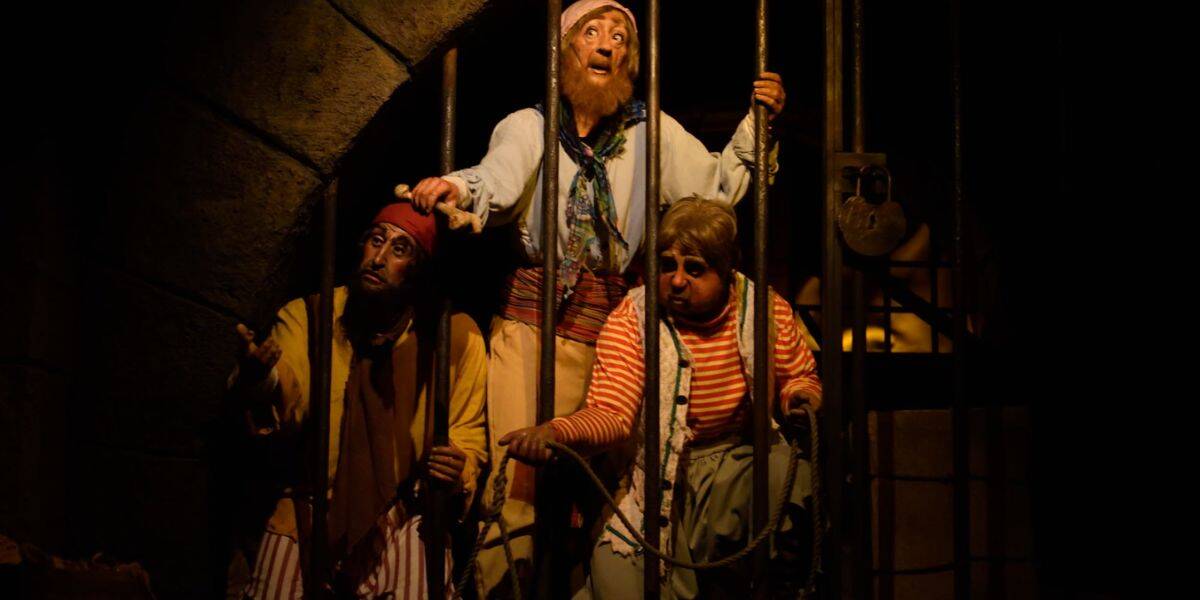
Magic Kingdom’s ride lineup is one of the biggest reasons rope dropping became so popular. The park is packed with attractions guests don’t want to miss, including Pirates of the Caribbean, Haunted Mansion, Jungle Cruise, Space Mountain, Big Thunder Mountain Railroad, and It’s a Small World.
Then you add TRON Lightcycle / Run and Tiana’s Bayou Adventure, and the pressure only grows. Families also want Peter Pan’s Flight, Winnie the Pooh, and Buzz Lightyear’s Space Ranger Spin, which makes the day feel even harder to manage.
When guests see all of that, rope drop feels like the only way to keep the trip from falling behind.

Rope Drop Now Feels Like the Most Crowded Moment
The biggest issue is that rope drop isn’t as calm as it used to be.
Instead of arriving early and getting a quiet head start, guests now find themselves in massive crowds before the park even fully opens. Everyone rushes to the same rides at the same time, and bottlenecks form quickly. Rope drop has become its own crowd event, which defeats the entire purpose of the strategy.
Instead of beating the crowds, guests often end up surrounded by them.
Early Entry Changes the Entire Game
Early entry is one of the biggest reasons rope drop has lost its value.
Disney resort hotel guests receive a 30-minute head start in Magic Kingdom. That means resort guests are already inside the park, lining up for major attractions, while non-resort guests are still outside, dealing with security and entry lines.
For guests who aren’t staying on property, rope drop can feel frustrating. By the time they enter the park, rides like Peter Pan’s Flight and Space Mountain may already have lines that look like mid-morning.

The Effort Doesn’t Always Match the Reward
Rope dropping also requires more effort than many guests expect. Waking up early is only the beginning. Families have to manage kids, pack strollers, grab food, and keep everyone calm while they’re tired.
Then there’s the travel process. If you drove, you’re going through the Transportation and Ticket Center, then taking the ferry or monorail, and then walking into the park. That’s a lot of energy spent before you even step into your first attraction queue.
Better Alternatives Exist
Since rope drop wait times can still spike quickly, many guests are leaning on Lightning Lane instead. It costs extra, but it gives visitors more control over their day.
Other strategies can help too, including riding during lunch or dinner, waiting until later at night after fireworks, or starting with less popular attractions while everyone else rushes the headliners.
Rope Drop Isn’t Dead—But It’s Different Now
Rope dropping at Magic Kingdom still works for some guests, especially resort guests with early entry. But for many visitors, it has become crowded, exhausting, and less effective than it once was.
That’s why more guests are being urged to avoid rope dropping until further notice and focus on timing, planning, and a calmer approach instead.