

Disney is heading back to theaters with Star Wars for the first time in years. The return has been a long time coming — and it arrives with a noticeably different strategy behind it.
More than six years have passed since The Rise of Skywalker (2019) closed out the Skywalker Saga with a whimper. In that time, Lucasfilm has shifted its focus to Disney+, building out interconnected stories that expanded the galaxy far beyond the big screen.

Now the franchise is preparing its cinematic comeback with The Mandalorian and Grogu (2026), a continuation of the Pedro Pascal–led series. The film follows Din Djarin and his Force-sensitive apprentice Grogu as they are recruited by the New Republic after the fall of the Galactic Empire, with Imperial warlords still threatening stability.
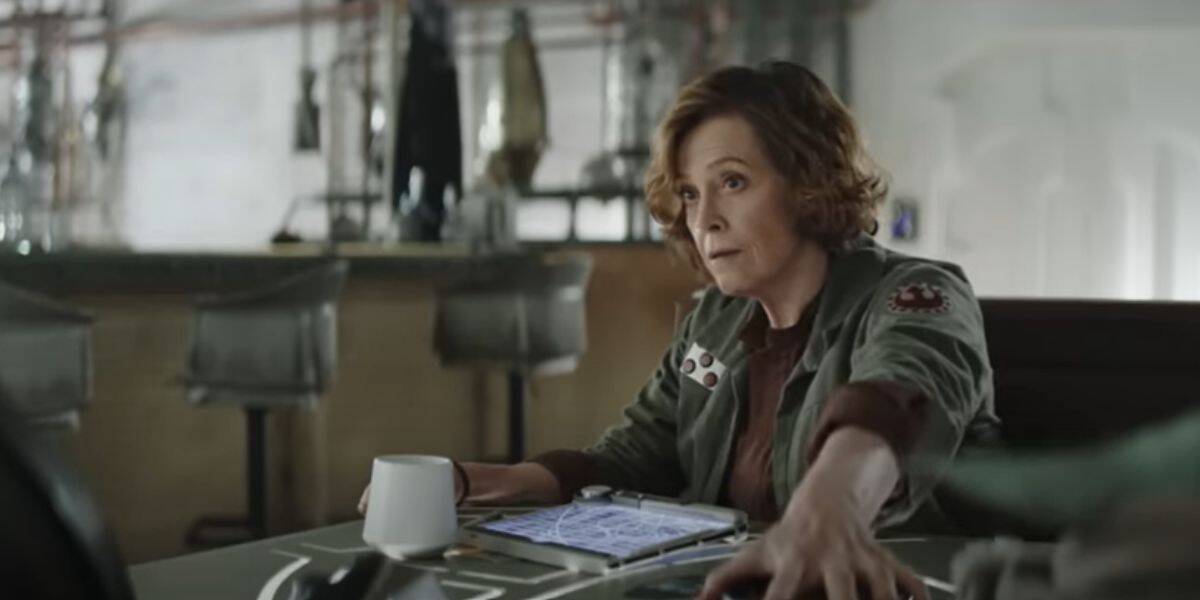
The cast reflects the project’s scale. Sigourney Weaver joins as Ward, a leader within the New Republic’s Adelphi Rangers. Jeremy Allen White plays Rotta the Hutt, son of Jabba the Hutt. Jonny Coyne appears as an Imperial Warlord.
Fan speculation is already underway. Some believe the story could partially unfold on Hoth, the ice planet central to The Empire Strikes Back (1980). Others have floated the possibility of a young Luke Skywalker cameo à la The Book of Boba Fett, though Mark Hamill has expressed hesitation about returning.

As with the Disney+ series, Jon Favreau oversees the production. His challenge now is translating streaming momentum into box office success — something Star Wars has not attempted since 2019.
Disney Scales Back Spending on Its Next ‘Star Wars' Film
According to the California Film Commission, via Collider, Disney spent just $166.4 million making The Mandalorian and Grogu.
That total stands in sharp contrast to previous Disney-era entries. Forbes reported that The Rise of Skywalker cost over $590 million before tax credits. Star Wars: The Force Awakens (2015) reached $638.9 million.
Even the lowest-budget Disney-era Star Wars film exceeded $327 million. Against that history, $166.4 million represents a dramatic shift in approach.
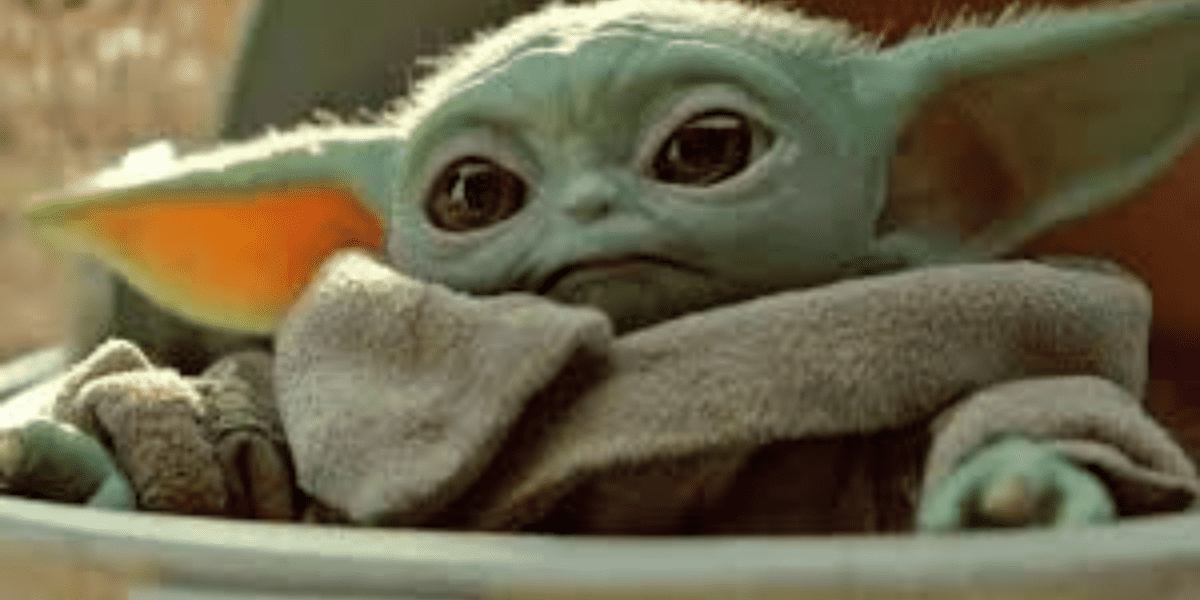
Reports indicate Disney views the film as a litmus test for the franchise’s theatrical future. Under new co-presidents Dave Filoni and Lynwen Brennan, Lucasfilm is said to be watching closely as it evaluates additional big-screen projects tied to the so-called Mandoverse.
The timing is significant. Audience habits have evolved, streaming has saturated the market, and recent franchise entries have delivered mixed results. Brand recognition alone no longer guarantees dominance at the global box office.
NEW: Here it is: ‘The Mandalorian and Grogu’ Super Bowl commercial:
— Scott Gustin (@ScottGustin) February 8, 2026
Early reactions to the film’s Super Bowl trailer (although calling it a “trailer” feels like a stretch) were comparatively muted, raising questions about whether the property can generate the same cultural urgency it once commanded.
Franchise Turbulence Prompts Strategic Reset for ‘Star Wars'
The Disney+ era began strongly. The Mandalorian debuted to widespread acclaim and quickly became a cultural phenomenon, elevating Grogu into one of the franchise’s most recognizable figures.
Subsequent series have not matched that momentum. The Acolyte, The Book of Boba Fett, and Skeleton Crew received more divided responses from critics and fans.
In the case of The Acolyte, backlash was intense. Some Star Wars “fans” review-bombed the show before it even premiered, as well as subjecting lead Amandla Stenberg (who played both Osha and Mae) to both racist and misogynistic abuse on social media. Showrunner Leslye Headland later attributed part of the show's downfall to “fascists and racists.”
Ultimately, Disney cited financial realities when canceling the series. As Forbes reported, production of The Acolyte reached $230.8 million before a $43.8 million tax credit.
“We were happy with our performance, but it wasn’t where we needed it to be, given the cost structure of that title, quite frankly, to go and make a season two,” Alan Bergman, co-chairman of Disney Entertainment, told Vulture in 2024. “So that’s the reason why we didn't do that.”

Even critically praised projects came at a cost. Forbes reported that the two-season run of Andor totaled $645 million in production spending.
Within that context, The Mandalorian and Grogu is seemingly Lucasfilm's next great experiment. After years of budgets regularly clearing $300 million, Disney is testing whether a leaner model can still deliver blockbuster returns.
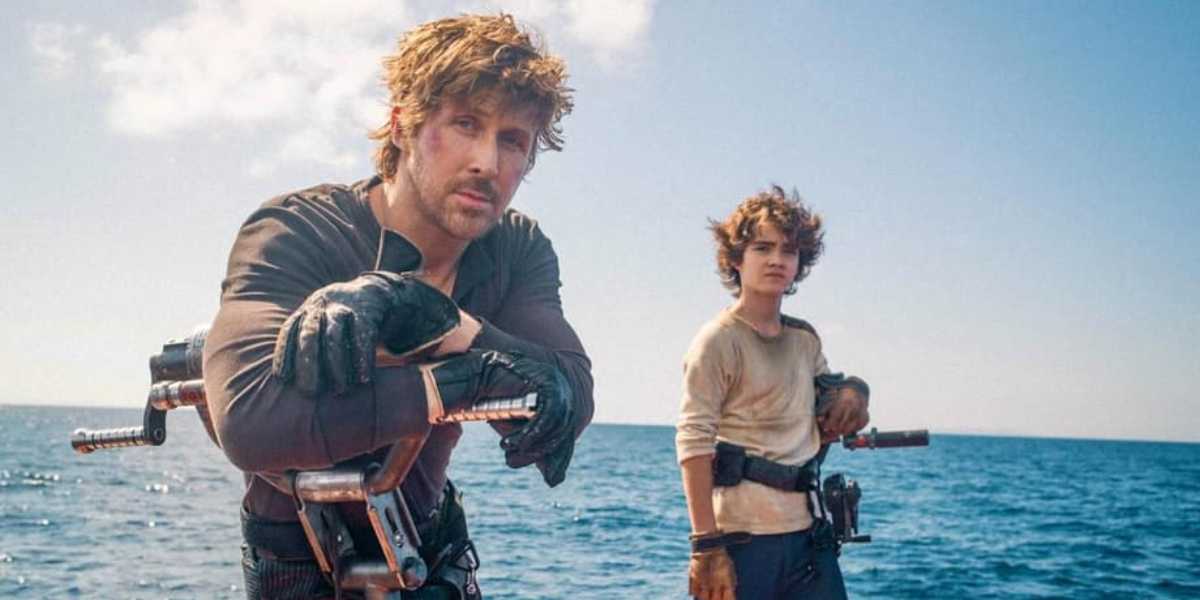
The shift extends beyond one film. A recent New York Times profile of Shawn Levy, director of Star Wars: Starfighter (2027) – a new standalone project starring Ryan Gosling and Mia Goth – highlighted his reputation for efficiency. Hugh Jackman described Levy as “never over time, over budget, over schedule.”
Taken together, the signs point to a broader reset. Lavish spending is no longer the default setting for Star Wars. The studio appears intent on protecting margins while assessing whether theatrical appetite remains strong.
May will provide the answer. For now, the franchise’s return to cinemas comes with a smaller budget — and outsized expectations.
Do you have high hopes for The Mandalorian & Grogu?