At first glance, the streaming world just looks noisy again—another deal, another package, another attempt to keep people subscribed. But this latest shift feels different, especially if you care about theme parks. When companies this big start coordinating how their brands sit side by side, it rarely stays limited to what you watch at home. It can influence what gets built, what gets promoted, and which stories end up living in real-world spaces.
For years, fans have tossed around the same “what if” question: what if Disney and Netflix ever found a way to work together instead of constantly competing? No one has flipped a switch and made that the official reality. Still, the industry is sliding toward a model where cooperation shows up in practical ways—starting with how audiences buy access.
Disney+ Got Big Fast for a Reason
Disney+ didn’t stumble into relevance. When it launched in 2019, plenty of people doubted it could really challenge Netflix. Disney answered that quickly by leaning on the brands that already owned pop culture for decades.
Marvel and Star Wars gave Disney+ instant weight. Pixar and National Geographic widened the appeal. Disney’s animation library brought a built-in comfort factor that many other services simply can’t replicate. On top of that, Disney kept feeding the platform with originals and franchise expansions that made streaming feel like the main stage, not bonus content.
In a short span, Disney+ moved into the top tier of the streaming conversation. That momentum matters because it shapes how Disney negotiates, bundles, and positions itself moving forward.

The Problem Shifted From Content to Cost
Once Disney+ and other platforms loaded up on shows, the pain point shifted from “What should I watch?” to “How many services am I paying for?” Viewers started juggling multiple subscriptions, multiple apps, and multiple monthly charges.
That kind of fatigue changes buying behavior. It also encourages companies to experiment with consolidation. When the market hits that breaking point, partnerships become more appealing, even among competitors.
Hulu Proved Disney Doesn’t Play Small
Disney’s approach to Hulu shows how it thinks. After years of shared ownership, Disney decided to acquire Hulu entirely. That move didn’t just tidy up a business arrangement—it made Disney’s streaming ecosystem easier to manage and easier to bundle.
Disney also showed it prefers control over loose collaboration. It didn’t simply coexist with Hulu forever. It moved in a direction that strengthened its overall strategy, tightened branding, and expanded leverage.
That history matters when you start imagining how Disney might behave if it ever saw a long-term advantage in deeper alignment with another mcentral platform.

New Bundle Put Netflix and Disney in the Same Package
Now we get to the industry move that changes the vibe. Sky in the United Kingdom and Ireland rolled out a new bundle combining Netflix, Disney+, HBO Max, and Hayu into a single subscription tier.
Instead of asking customers to hop between apps and bills, Sky places everything into a single interface. New customers can enter at roughly £24 per month, and they get Sky’s programming alongside Netflix’s catalog of global hits and Disney+ franchises.
This isn’t just a customer-friendly setup. It signals that these brands can coexist under one umbrella when the economics work. Once the industry proves that point, it tends to repeat it.
Bundling Can Turn Into Something Bigger
Right now, this remains a bundle. Still, bundles often act like a test run. They show what happens when services share a front door, even while keeping separate back ends. Disney has already moved from shared ownership to full ownership of Hulu, so the idea of deeper integration with Netflix naturally comes up. The article’s framing stays speculative here, but the direction feels consistent: if Disney ever moved closer to Netflix, the relationship could expand beyond streaming.
And once the conversation leaves the screen, theme parks start to feel like the next logical arena.

Netflix Stories Could Become Real-World Experiences
If Disney ever secured expanded rights or broader cooperation with Netflix properties, the parks would offer a powerful place to translate that popularity into something physical.
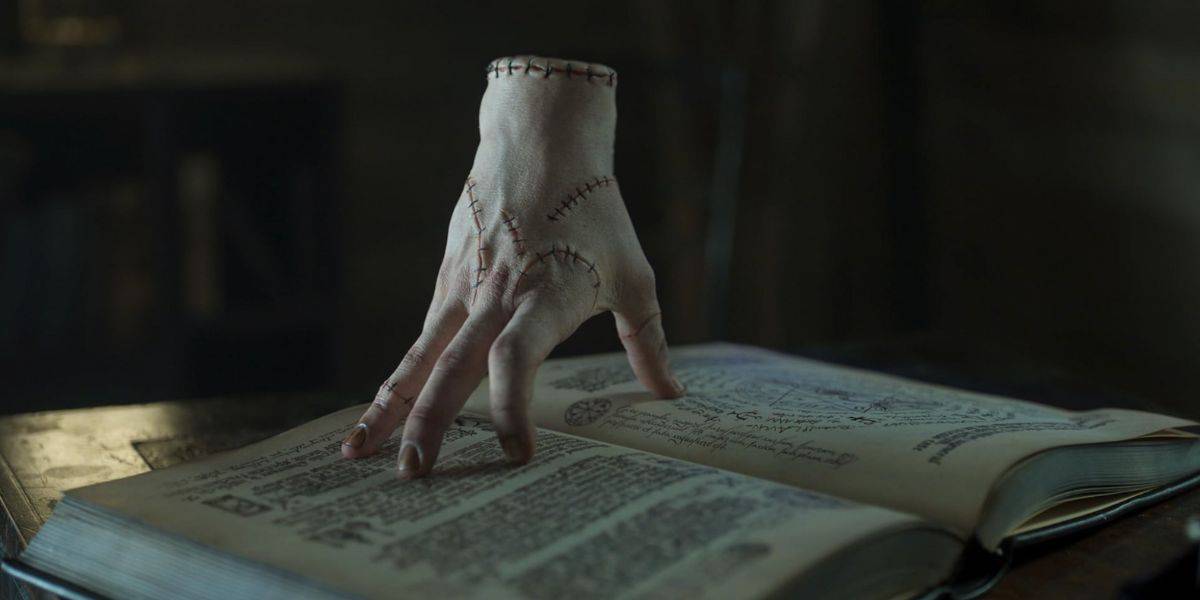
Wednesday carries a gothic, stylish tone that could fit seasonal overlays or a dedicated space. Stranger Things could draw older teens and adults, nudging the parks toward a more mature vibe. Scooby-Doo feels tailor-made for family-friendly mysteries and interactive experiences that don’t need intensity to feel fun.
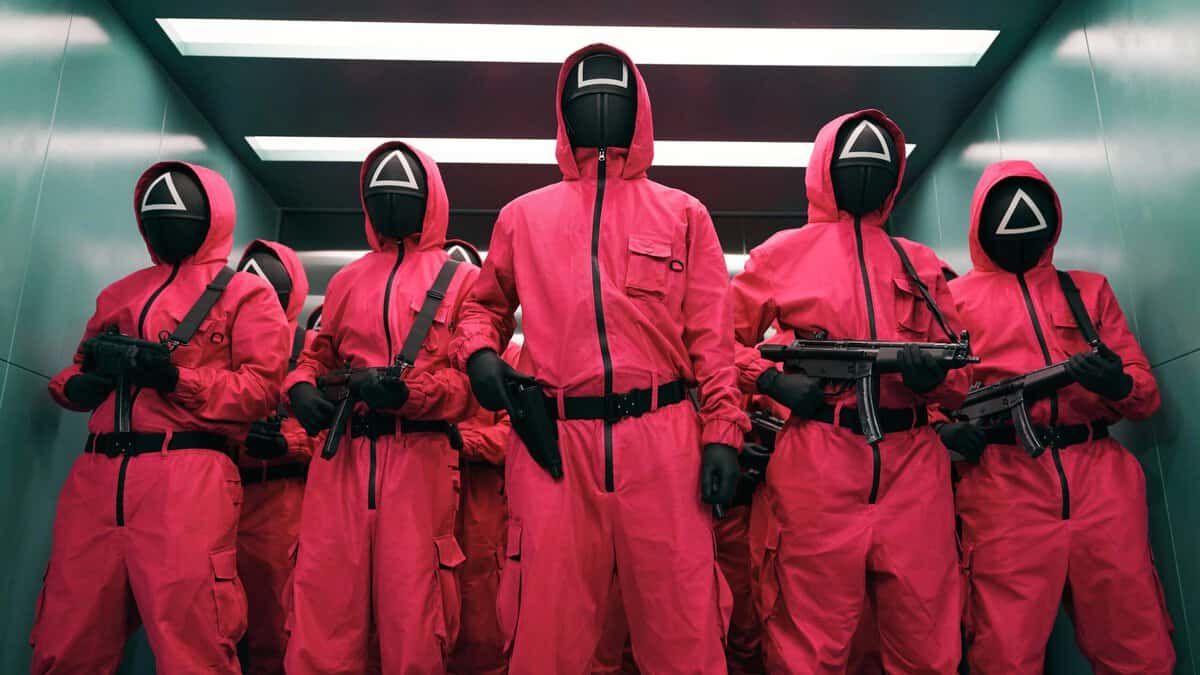
Squid Game runs darker, but it also demonstrates Netflix’s ability to create global moments, and a toned-down competition concept could exist without copying the show beat-for-beat. KPop Demon Hunters also shows how Netflix can spark fandom energy that thrives on music, performance, and character appeal—elements that parks already know how to stage.
The Takeaway Lands at the Park Gates
This story starts with a bundle in the UK and Ireland, designed to reduce subscription chaos. But the bigger takeaway is what it suggests about industry direction. Streaming doesn’t feel like isolated platforms anymore. It’s starting to look like shared storefronts.
No one should expect an overnight transformation inside the parks. You won’t find a Stranger Things coaster under construction tomorrow, and you won’t see a Wednesday dark ride announcement appear out of nowhere. Still, the groundwork for collaboration has started, and momentum matters. If consolidation keeps advancing, today’s bundle could become the early clue that tomorrow’s entertainment landscape—and possibly tomorrow’s theme parks—won’t look the same.