
It’s been a week of recalibration for Disney, with developments spanning executive leadership, blockbuster trailers, and a notable shake-up to Marvel Studios’ theatrical roadmap—all pointing to a studio in the midst of redefining its long-term approach.
The MCU’s current trajectory began taking shape with The Fantastic Four: First Steps (2025), directed by Matt Shakman. Featuring Pedro Pascal and Vanessa Kirby as Reed Richards and Sue Storm, the film introduced Marvel’s First Family into the franchise’s evolving narrative and delivered a respectable performance at the global box office. The characters are set to return in Avengers: Doomsday (2026), one of the studio’s most ambitious projects to date.
Arriving December 18, the film will compete directly with Denis Villeneuve’s Dune: Part Three (2026), a matchup that has drawn attention due to the latter’s exclusive IMAX window. Despite that, expectations remain high that Marvel’s next Avengers installment will rank among the year’s biggest releases, with industry projections pointing toward a billion-dollar run.

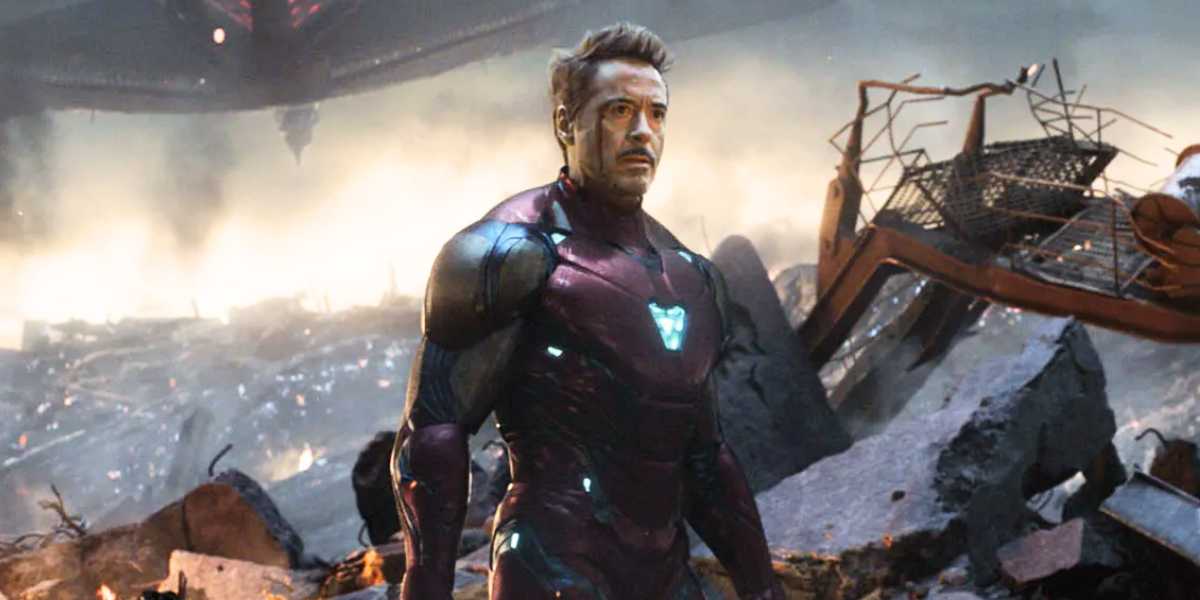
Directed by the Russo Brothers, Avengers: Doomsday brings together a wide-ranging cast of heroes from across Marvel and 20th Century Studios properties. Opposing them is Robert Downey Jr.’s Doctor Doom, a reimagined central antagonist for the franchise. Though story details remain under wraps, speculation continues to center on a multiverse-driven storyline that could lead directly into Avengers: Secret Wars (2027).
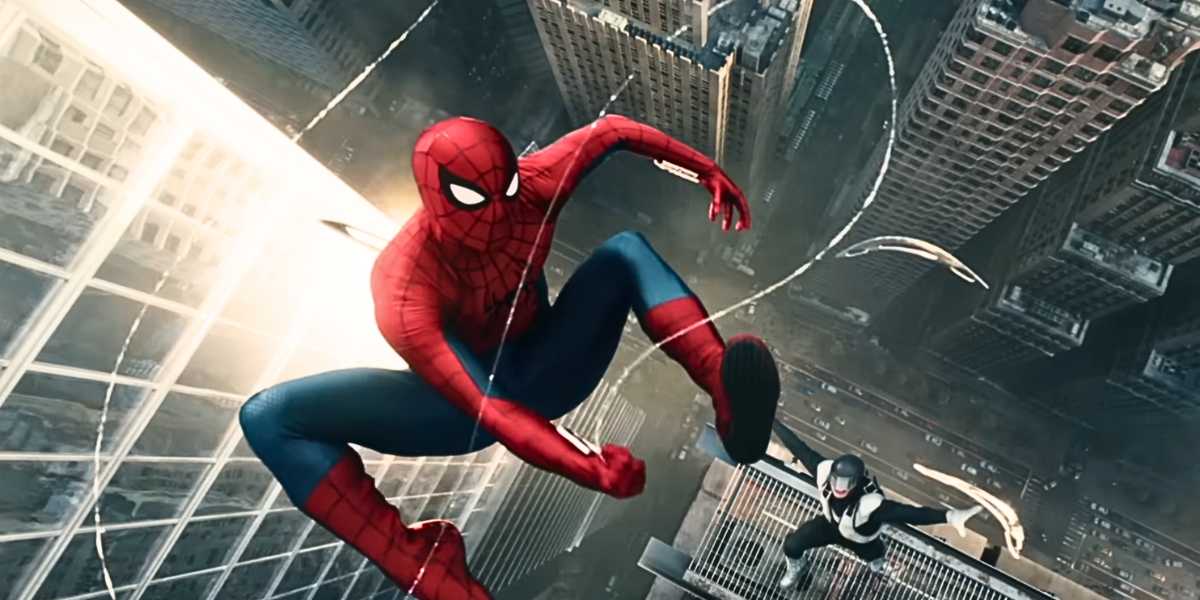
In the nearer term, audiences will see Tom Holland return in Spider-Man: Brand New Day (2026), a collaboration between Marvel and Sony that shifts focus back to a street-level perspective. Its trailer has already set new records, signaling strong interest ahead of its summer debut.
Taken together, these projects highlight a packed slate in the short term. Beyond that, however, Marvel’s plans have become less predictable. Marvel Studios once operated with a clearly defined release cadence, but recent changes indicate a pivot in how the company structures its theatrical output.
In 2024, three untitled films were quietly scheduled for 2028—February 18, May 5, and November 10—suggesting the beginning of a new phase following Avengers: Secret Wars. The alignment of those dates echoed Marvel’s established pattern, reinforcing expectations of a consistent annual rhythm.
At the time, the assumption was that Phase Seven would begin immediately after the Multiverse Saga concluded, with three films laying the foundation for a new storyline. That assumption no longer holds.
Per updated reporting from Deadline, the February 2028 release has shifted to July 28, while the November slot has been removed entirely. Rather than maintaining three films in a single year, Marvel now appears to be spacing out its releases more deliberately.

The addition of two new dates—May 4 and July 13, 2029—further expands the timeline, suggesting that the next phase will unfold over multiple years rather than launching all at once.
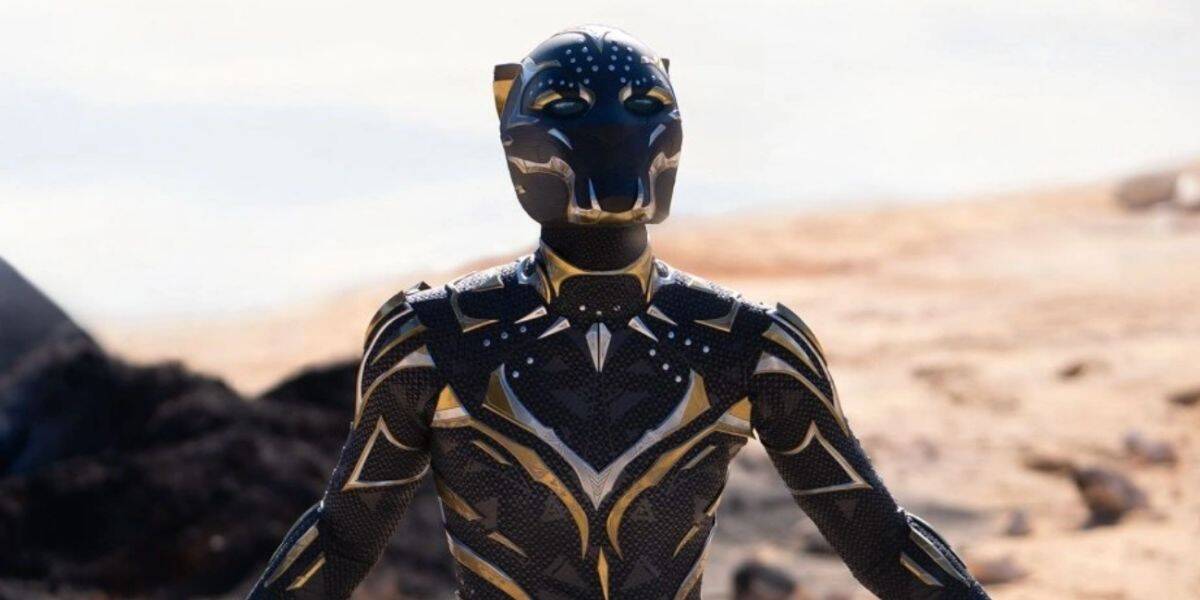
Industry speculation, including reports from Murphy’s Multiverse, points to Black Panther 3 as a likely candidate for the July 2028 slot. Following the success and narrative importance of Black Panther: Wakanda Forever (2022), the franchise remains one of Marvel’s most reliable pillars.
A comparison of the schedules illustrates the change:
Original MCU Plan (2024):
February 18, 2028
May 5, 2028
November 10, 2028
Updated MCU Plan (2026):
May 5, 2028
July 28, 2028
May 4, 2029
July 13, 2029
The removed November date has been reassigned to an untitled Disney project, while the February slot will now house another non-Marvel release, signaling coordination across Disney’s broader slate.

Looking ahead, several potential projects could fill these openings. Black Panther 3 is widely viewed as a strong contender, while Shang-Chi 2 and a long-awaited X-Men reboot remain in development. Meanwhile, Armor Wars appears increasingly unlikely to move forward as a theatrical feature.
The May 2028 slot, traditionally reserved for a major early summer release, could serve as the launch point for X-Men, introducing a new era for the franchise. The 2029 dates may then expand on that foundation, offering room for sequels or crossover events.
The updated strategy aligns with broader changes at Disney, where the emphasis appears to be shifting toward fewer releases with greater impact. Instead of maintaining a high volume of films each year, the company is opting to give its biggest titles more space in the marketplace.
The contrast between the 2024 and 2026 plans reflects that evolution—from a tightly packed schedule to one that prioritizes flexibility and long-term planning.
With additional dates now extending into 2029, Marvel Studios is positioning its next phase as a longer-term rollout rather than a rapid launch. The shape of the MCU’s future may have shifted, but its scale and ambition remain firmly intact.
How do you feel about the changes made to the Marvel movie calendar? Let us know in the comments down below!